
Last updated October 17, 2026
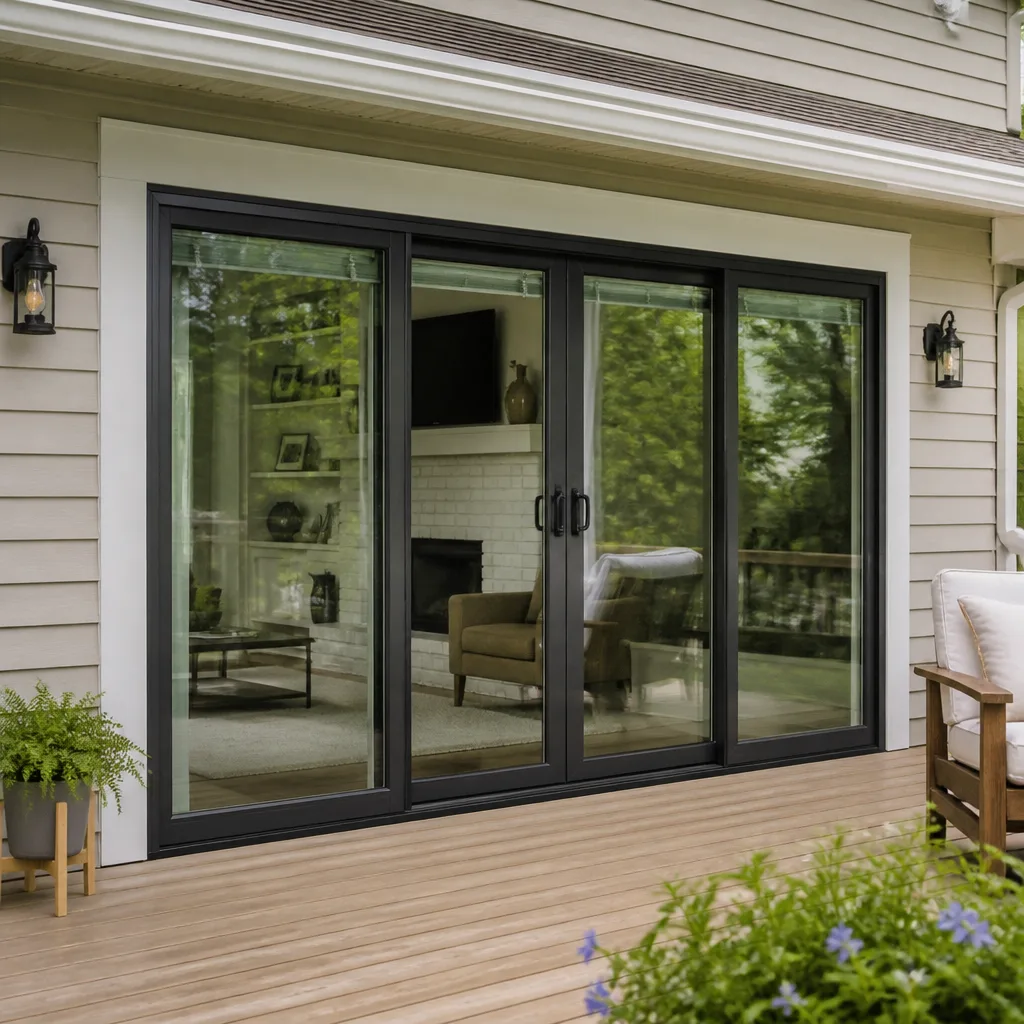 Sliding glass doors
 Single hung
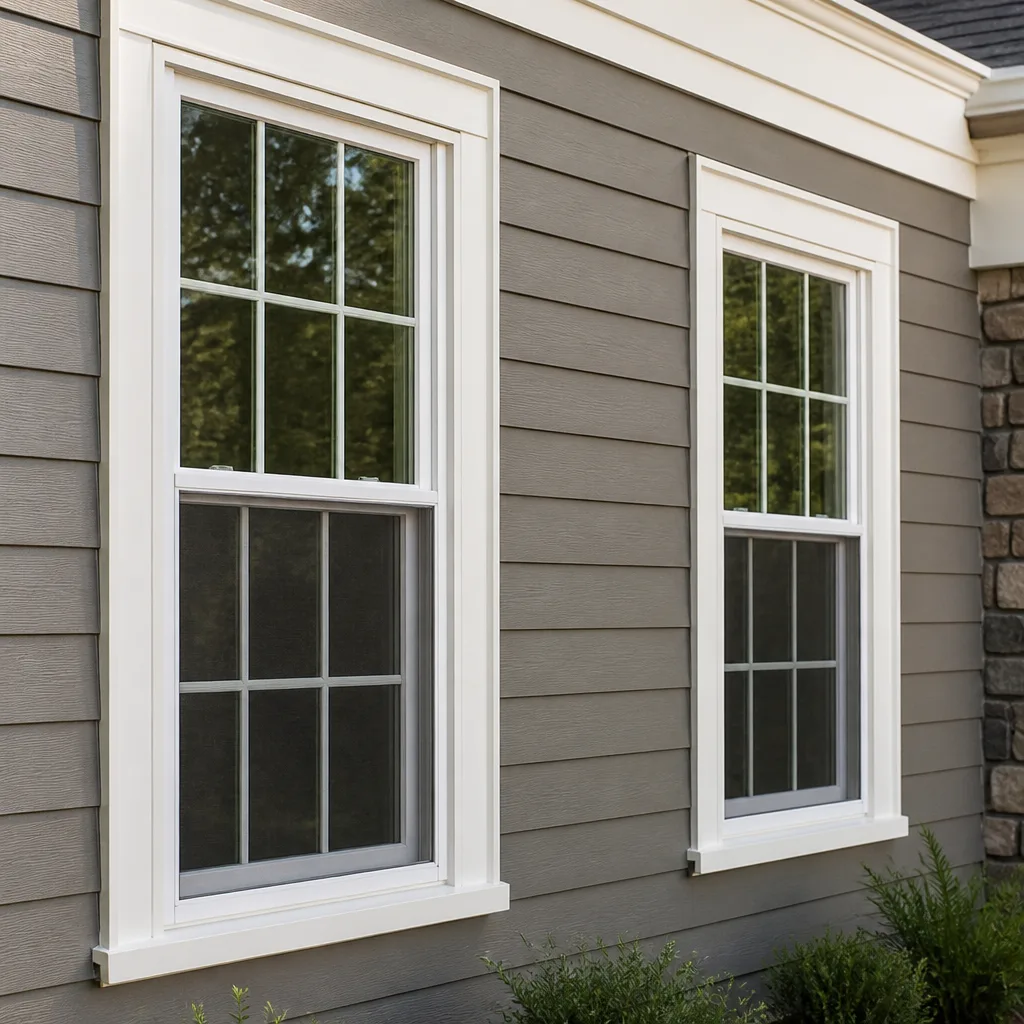 Double hung
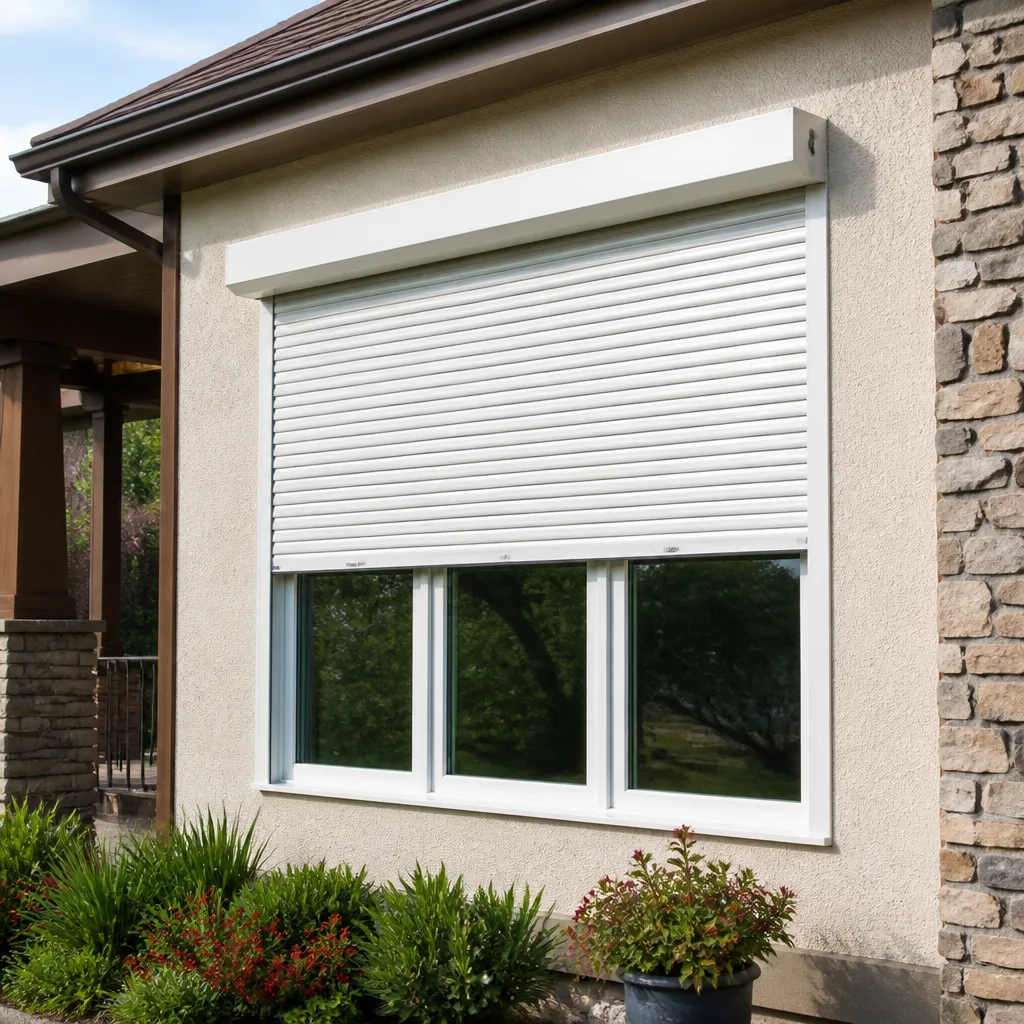 Horizontal roller
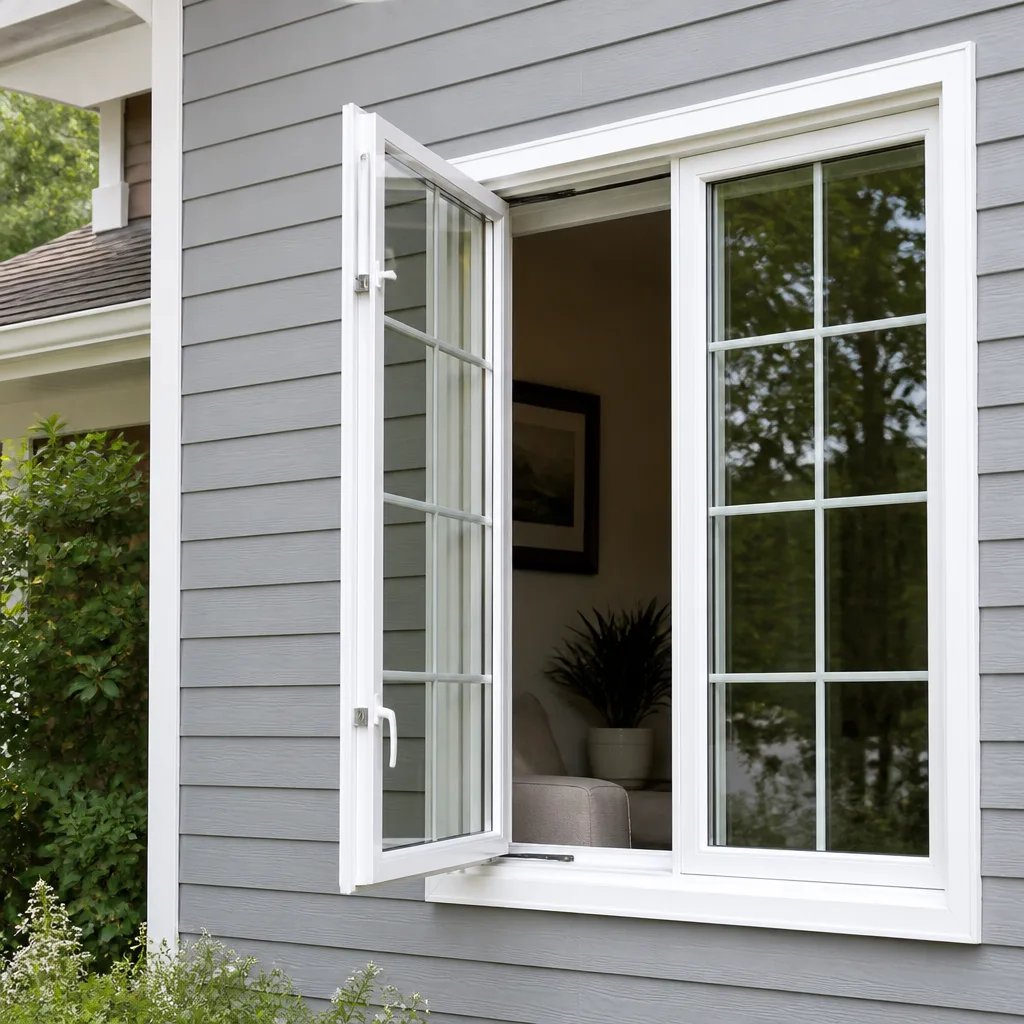 Casement
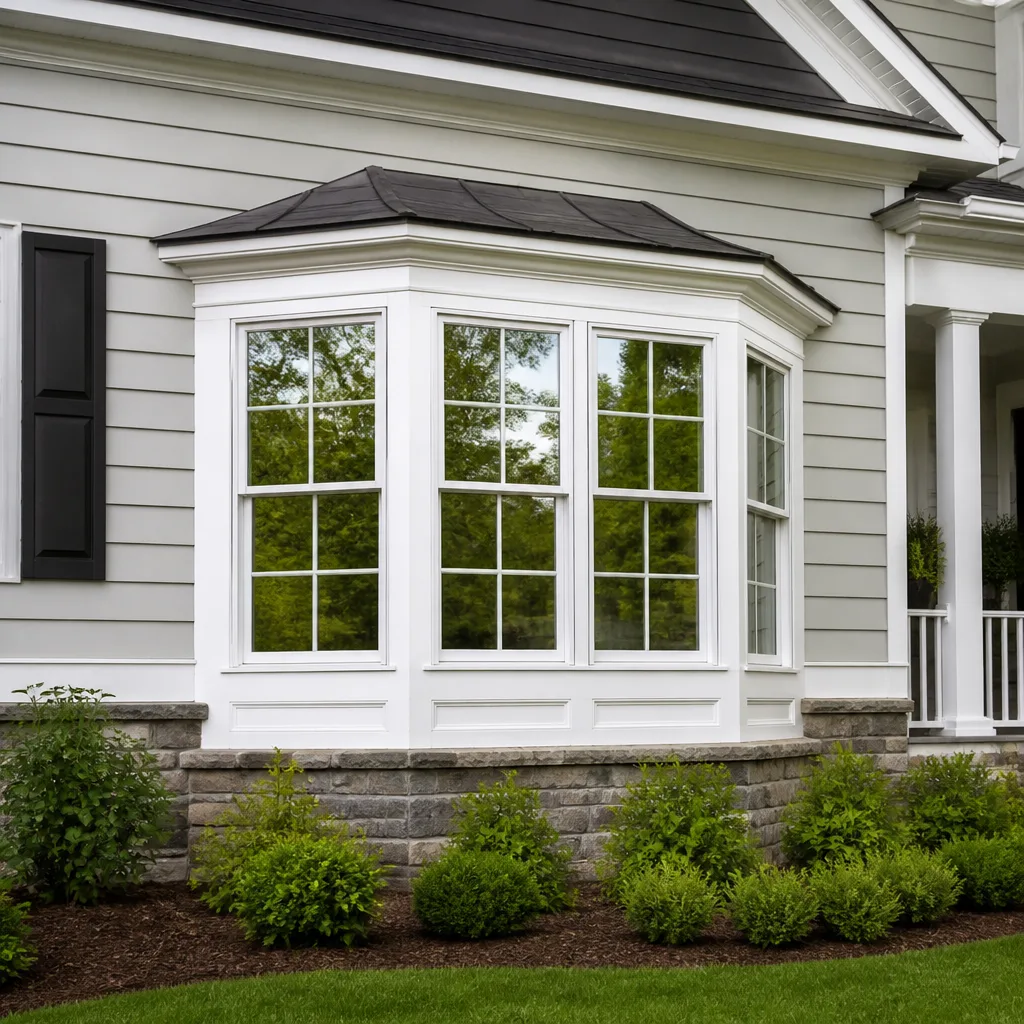 Bay & bow
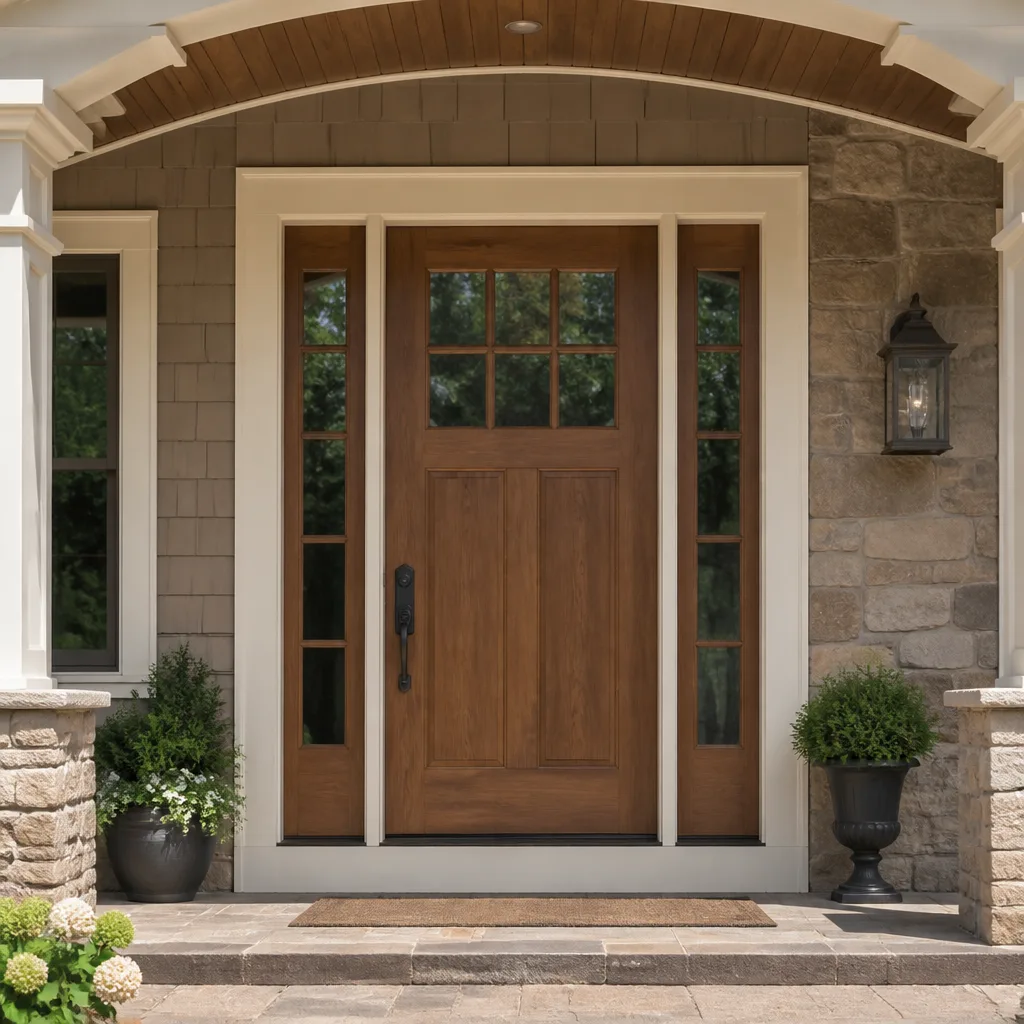 Entry doors
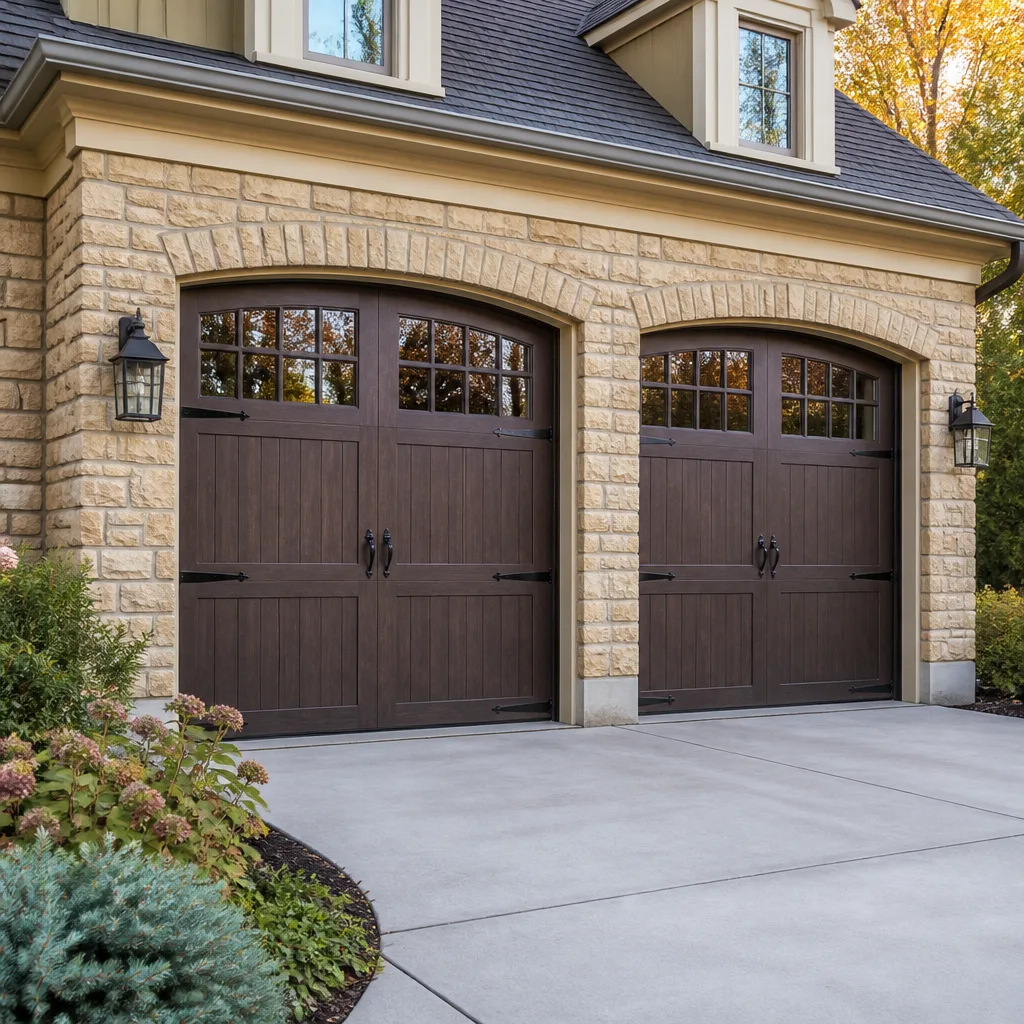 Impact garage doors
 PGT
PGT CGI
CGIFree in-home measure and quote - PGT, CGI and CWS impact lines compared on your actual openings, style by style
Get your free estimateWindows & Doors Permits, Codes & Inspections in FL: What You Need to Know
A Jacksonville homeowner replaced six windows without pulling a permit, then filed a wind claim after Hurricane Ian’s outer bands hit. The insurer denied the claim on the basis that the installation was “unpermitted work of unknown compliance.” The windows themselves were fine. The missing paperwork wasn’t.
That’s the part of window and door replacement nobody puts on a brochure. In Jacksonville and across Duval County, the permit process isn’t bureaucratic red tape. It’s the paper trail that proves your windows were installed to Florida Building Code, validated by a third-party inspector, and eligible for insurance protection when a named storm tests them. This guide walks through what gets inspected, what the codes actually require, and what your permit history should look like when the crew packs up. For a deeper dive, see our Complete Guide to Windows & Doors in Jacksonville. We’ll cover the like-for-like exemption, Florida Product Approval numbers, the inspection sequence, and the owner-builder path some homeowners take to save money. By the end, you’ll know more about Jacksonville’s window permit process than most contractors will tell you over the phone.
Quick Answer
In Jacksonville and Duval County, window and door replacement requires a permit when the opening size changes, structural framing is altered, or the product is not a like-for-like swap of the same dimensions and type. Straightforward replacements of the same size and shape in a single-family home may qualify for the like-for-like exemption under the Florida Building Code, but even exempt work should be documented. A valid Florida Product Approval (FL#) number on the window or door spec sheet confirms the product passed impact and pressure testing for Florida’s wind zones.
Styles & brands we work with
Table of Contents
- When a Permit Is Required in Duval County
- Florida Product Approval (FL#) Numbers and Why They Matter
- What the Inspection Sequence Actually Looks Like
- How Permit Records Follow Your Property and Affect Insurance
- The Owner-Builder Path in Florida and Where It Creates Risk
- What Permits and Inspections Cost in Jacksonville
- Common Mistakes to Avoid
- Frequently Asked Questions
When a Permit Is Required in Duval County
Window and door replacement in Jacksonville generally requires a permit when the work involves changing the size of the rough opening, altering structural framing, adding or removing an opening entirely, or switching from a standard window to an impact-rated product that changes the wall assembly. The City of Jacksonville Building Inspection Division enforces the Florida Building Code, which treats an “opening” as part of the building envelope. Once the envelope is touched beyond like-for-like, the code wants to know about it.
The like-for-like exemption is the phrase homeowners hear most often, and it’s worth understanding precisely. Under Florida Building Code section 105.2, a permit is not required when the replacement window or door is the same size, same type, and installed in the same opening without modifying the surrounding structure. That means swapping a 36-by-60 single-hung for another 36-by-60 single-hung in a wood-frame wall typically falls outside the permit trigger. But if the new unit is a different type, say replacing a fixed picture window with an operable casement, or if the rough opening needs to be reframed because of water damage or rot, the work moves into permit territory. In our experience across Jacksonville, we’ve seen homeowners surprised by this line. The exemption is not a blanket “any replacement” rule. It’s a narrow exception for a true dimensional swap.
Door replacements follow the same logic. A new door installation in Jacksonville that fits the existing rough opening and doesn’t alter the header or jack studs can often proceed as exempt repair work. But a new front door with sidelights where a single door used to be? That’s a structural change. The header gets resized, new framing goes in, and the permit is required. Duval County inspectors also look at whether the new door carries a Florida Product Approval number for wind-load resistance. Exterior doors in Jacksonville fall within the wind-borne debris region, so an unapproved door slab isn’t just a code violation. It’s a hole in the home’s wind envelope.
Here’s what triggers a permit in Duval County, in plain terms:
- Changing the rough opening size, width or height
- Adding a new window or door where none existed
- Removing and reframing an existing opening, including header replacement
- Replacing a non-impact product with an impact-rated product that changes the wall assembly or anchoring requirements
- Converting a window to a door or a door to a window
- Any work on a building that is not a single-family detached home or duplex, such as a condo or commercial bay
The last point matters more in Jacksonville than most people expect. Condominium and townhome replacement work almost always requires a permit, because the Florida Building Code treats shared-wall buildings differently. The like-for-like exemption is narrower there. If you live in a condo on the Southbank or in a townhome complex near the St. Johns Town Center, assume a permit is needed and confirm it before ordering products.
Florida Product Approval (FL#) Numbers and Why They Matter
Every window and door installed in Jacksonville’s coastal building zones should carry a Florida Product Approval number, written as “FL#” followed by a series of digits. This number is not a brand stamp or a quality rating. It’s the state’s record that the specific product model passed testing for structural wind load, water infiltration, and impact resistance under Florida Building Code Chapter 14. Chapter 14 governs product approval statewide, and Duval County enforces it during the permit review and inspection process.
What does a FL# actually tell you? It confirms the window or door was tested at an approved laboratory for the wind speeds and pressure ratings applicable to the region. Jacksonville sits in a mix of wind speed zones, with areas east of the Intracoastal Waterway subject to higher design pressures than inland neighborhoods like Mandarin or Argyle. A window approved for 130 mph wind zones may not be valid for a beachside home on Atlantic Boulevard. The FL# includes the pressure rating, the test standard, and the manufacturer’s name. When an inspector checks the product, they’re matching the FL# on the label to the one on the permit application. If the numbers don’t match, the inspection fails.
We carry several brands with Florida Product Approvals for the Jacksonville market, including ES Windows and ECO Window Systems for aluminum and impact-rated frames, and Mr-Glass and Therma-Tru for door products. When we write a permit application, the FL# for each unit goes on the line-item specification. The homeowner gets a copy. That paper trail is part of the job, the same way the window replacement in Jacksonville scope includes the product cut sheet and the install date.
For a homeowner, the practical test is simple: ask the contractor for the FL# before signing the contract. If the contractor can’t produce one for the specific product being quoted, the windows may not be legal to install in a Duval County permitted project. A generic “hurricane rated” claim is not the same as a Florida Product Approval. The FL# is verifiable through the Florida Department of Business and Professional Regulation’s online product approval database.
What the Inspection Sequence Actually Looks Like
A permitted window or door replacement in Jacksonville follows a predictable inspection sequence, and knowing it ahead of time removes the mystery. The process starts with the permit application, which includes the product approvals, the scope of work, and the plans or elevations if the opening is being altered. Once the permit is issued, the contractor schedules inspections with the City of Jacksonville Building Inspection Division. Most replacement projects have two inspection points: rough-in and final.
Here’s the step-by-step sequence for a typical permitted window replacement in Duval County:
- Permit application filed. The contractor submits the window schedule, FL# numbers, and opening dimensions to the Building Inspection Division. Fees are paid at this stage.
- Existing windows removed. The old units come out. If rot or termite damage is found in the rough opening framing, the repair work is done now, before the inspector arrives.
- Rough-in inspection scheduled. The inspector checks the opening framing, the flashing or waterproofing at the sill and jambs, and the anchoring method. This inspection happens before the new window is fully sealed and trimmed.
- New window installed. The unit is set into the opening, anchored per the product approval, sealed with the specified flashing tape or sealant, and interior trim is reinstalled.
- Final inspection scheduled. The inspector verifies the finished installation matches the permit, checks the FL# labels are visible or documented, and confirms the window operates and locks correctly.
- Permit closed. The Building Inspection Division records the permit as closed, and the homeowner receives documentation that the work passed inspection.
What does the inspector look for at rough-in? Two things mostly: the condition of the framing and the flashing method. Jacksonville’s climate produces afternoon thunderstorms that drive water sideways, and wood-frame walls behind stucco or siding see more moisture than most homeowners realize. If the rough opening has rotted sill plate or damaged king studs, the inspector will flag it. The fix has to happen before the unit goes in. At final, the inspector checks anchoring, sealant continuity, operable hardware, and the escape and rescue opening requirements for bedrooms. In Florida, a bedroom window must meet minimum egress dimensions even if the replacement is like-for-like. If a homeowner replaces a small older window in a bedroom that doesn’t meet current egress, the inspector can require the larger opening.
The most common installation shortcut that fails final inspection in Jacksonville is missing or inconsistent flashing. A bead of caulk around the exterior trim is not a flashing system. The Florida Building Code requires a water-resistive barrier that drains to the exterior. Inspectors look for flashing tape at the sill, shingled layers at the jambs, and a head flashing that directs water away from the opening. Our crews follow the same sequence on every window installation in Jacksonville, and the final inspection is scheduled only after the flashing detail is complete and photographed.
How Permit Records Follow Your Property and Affect Insurance
When you pull a permit in Duval County, that record attaches to the property’s parcel number in the City of Jacksonville database. It doesn’t follow you. It follows the house. The permit record lists the scope of work, the contractor name and license, the inspection outcomes, and the date the permit was closed. Insurance underwriters can and do pull these records during new policy applications, renewals, and after a claim is filed. The permit history is part of the underwriting file.
The connection to wind-damage coverage is the part Jacksonville homeowners understand least. A home is insured as it exists at the time the policy is written. If six windows were replaced without a permit, and one of those windows later fails during a storm, the insurer has a documented basis to question whether the failure was a covered peril or an installation defect. The carrier doesn’t have to prove the installation was bad. It only has to show that the work fell outside the permitted and inspected path. That’s what happened to the homeowner in the opening of this guide. The windows held. The claim was denied anyway.
A clean permit history also affects resale. When a buyer’s inspector or lender reviews the property, an open or missing permit for window work becomes a title condition. The seller may have to hire an inspector retroactively, pay for an engineer’s letter, or reduce the price. In Jacksonville’s competitive real estate market, a thorough buyer’s agent will flag any unpermitted work on the seller’s disclosure. The question “Were any improvements made without a permit?” is on the standard Florida disclosure form. Answering yes doesn’t automatically kill the deal, but it gives the buyer a discount lever. Answering no with an open permit on record creates a different conversation entirely.
For a homeowner buying a Jacksonville house with recent window or door work, the practical advice is to pull the permit history before closing. The City of Jacksonville’s online records portal allows a search by address. If the work was permitted and closed, the record is there. If the work was exempt like-for-like, the seller should be able to provide the contractor invoice with product details. Either way, the paper trail matters.
The Owner-Builder Path in Florida and Where It Creates Risk
Florida law allows a homeowner to act as an owner-builder on their own residence, which means the homeowner pulls the permit and takes responsibility for code compliance instead of hiring a licensed contractor. The rule exists so a competent homeowner can legally build or remodel their own home. In Jacksonville, owner-builder permits are common for deck additions, fence work, and small interior renovations.
Applied to window and door replacement, the owner-builder path is more difficult than it looks on paper. The homeowner must certify on the permit application that the work is for their own occupancy and that they will not sell or lease the property for at least one year after the work is complete. That certification is statutory, not optional. Under Florida Statute 489.103, an owner-builder who sells within one year can face penalties and may be liable for the unlicensed contracting work.
The second risk is product accountability. A licensed contractor shoulders the responsibility for ordering windows with the correct Florida Product Approval numbers, verifying the rough opening dimensions, and scheduling the inspections correctly. An owner-builder shoulders all of that alone. When a product arrives with the wrong FL# or the flashing detail doesn’t match the approved plan, the correction cycle belongs to the homeowner. The City of Jacksonville won’t issue a correction for free, and the inspector won’t bend the code for an amateur. We’ve seen owner-builder projects where the windows sat in the garage for three months while the homeowner worked through the permit corrections. The money saved on contractor fees went into storage, re-permitting, and one failed inspection after another.
There is a legitimate middle ground. Some homeowners order windows from a supplier like Lightwell and handle the permit themselves, with the supplier providing the FL# documentation and product support. That’s not owner-builder work in the full statutory sense, and it works when the product is a true like-for-like swap. But for any project involving impact-rated products, structural changes, or multiple openings, the licensed contractor path is cheaper in practice once time and risk are counted. See DIY vs Professional Windows & Doors: The Jacksonville Homeowner’s Decision Guide for a full comparison.
What Permits and Inspections Cost in Jacksonville
Permit fees in Duval County are based on the valuation of the work. For a typical window replacement project, the permit fee usually runs between $150 and $400 depending on the number of openings and the total project value. Door replacement permits are similar. The fee covers the plan review, the inspections, and the permit closure. It does not cover any correction cycle if an inspection fails. Each re-inspection in Jacksonville carries its own fee.
Here’s a line-item look at what a permitted window replacement project in Jacksonville typically costs, beyond the window products themselves:
- Permit application and review: $150 – $400, based on project valuation
- Rough-in inspection: included in the permit fee for the first visit
- Final inspection: included in the permit fee for the first visit
- Re-inspection (if needed): $50 – $150 per visit
- Contractor coordination time: usually 2 – 4 hours at the contractor’s standard rate
- Product approval documentation: provided by the manufacturer; no cost to the homeowner when the contractor supplies it
Most window replacements in Jacksonville run between $600 and $1,400 per opening, including product, installation, and permit costs. Impact-rated windows trend higher, from about $900 to $2,200 per opening depending on the brand and the pressure rating required for the home’s wind zone. Door installations vary more widely, from $1,200 for a basic fiberglass entry door to $5,000 or more for a Therma-Tru impact-rated door with sidelights. The permit is a small line item in that total, but it’s the line item that protects the rest.
Keith Yamada, the owner at Lightwell Windows Jacksonville, puts the permit fee on every written quote as a separate line. That way the homeowner sees exactly what they’re paying the city and what they’re paying the contractor. No bundled mystery. No end-of-job surprise.
Common Mistakes to Avoid
- Assuming every replacement is like-for-like. A same-size window with a different frame material or anchoring system may not qualify for the exemption. If the new unit changes the wall assembly, the permit is required.
- Skipping the permit on a condo or townhome. The like-for-like exemption is narrower in shared-wall buildings. Most Jacksonville condo and HOA communities require permits for any window or door work, and the HOA may impose additional product requirements.
- Trusting a “hurricane rated” label without a FL# number. Marketing language doesn’t survive a Duval County permit review. The product must carry a verifiable Florida Product Approval number, and the label must match the permit.
- Accepting a verbal quote with no permit line. If the permit isn’t on the written estimate, it isn’t in the job. Later, the homeowner is told the permit costs extra, or worse, the work proceeds unpermitted.
- Using an unlicensed installer for a permitted project. The permit application names the contractor of record. If that contractor isn’t licensed in Florida, the permit can’t be issued, and the homeowner is back to the owner-builder path by default.
- Not verifying the permit was closed. A permit that’s pulled but never closed shows as open on the property record. When the homeowner sells or files an insurance claim, that open permit becomes a problem.
- Replacing bedroom windows without checking egress. The inspector will enforce current egress dimensions even on a like-for-like swap. An older bedroom window that doesn’t meet today’s minimums can require a larger rough opening, which then triggers a full permit.
When to Call a Professional
Most window and door work in Jacksonville falls into one of two categories: projects a homeowner can reasonably manage with supplier support, and projects that need a licensed professional. If the work is one or two like-for-like windows in a single-family home, the homeowner can legally use the exemption and handle the product ordering with the manufacturer’s FL# documentation. But once the project involves impact-rated products, multiple openings, structural changes, or any work in a condo or townhome, the professional path is the one that keeps the permit clean and the insurance valid. Lightwell Windows Jacksonville offers free estimates in Jacksonville – call (904) 914-3691 to talk through your specific project and what the permit path will look like.
Frequently Asked Questions
You need a permit if the replacement changes the rough opening size, alters structural framing, converts the window type, or is in a condo or townhome. A true like-for-like swap of the same size and type in a single-family home typically falls under the Florida Building Code’s permit exemption, but documentation of the work is still the smart path.
Window permit fees in Duval County generally run between $150 and $400 depending on the number of openings and the project valuation. Each re-inspection carries an additional fee. Call (904) 914-3691 and we can give you a line-item estimate that includes the permit cost.
A Florida Product Approval (FL#) number is the state’s record that a specific window or door model passed testing for wind load, water infiltration, and impact resistance under Florida Building Code Chapter 14. Duval County inspectors check the FL# on the product label against the permit application.
Yes, Florida allows an owner-builder to pull a permit on their own residence, but you must certify that you won’t sell or lease the home for at least one year. You also take full responsibility for product approvals, code compliance, and inspection scheduling. For anything beyond a simple like-for-like swap, the cost savings rarely cover the time and risk.
It can. Jacksonville permit records follow the property, and insurance underwriters pull them during applications, renewals, and claims. Unpermitted window work gives a carrier grounds to deny a wind claim on the basis of “unpermitted work of unknown compliance.” The windows don’t have to fail for the claim to be denied.
A typical like-for-like window replacement with a permit takes about two to four weeks from application to final inspection, depending on the city’s inspection queue and the contractor’s schedule. Larger structural projects take longer. Call (904) 914-3691 for a realistic timeline on your specific scope.
The Bottom Line
The Jacksonville permit process for windows and doors is not a hurdle to clear. It’s the record that proves the work was done to code, by a licensed contractor, with products tested for Florida’s wind loads. The like-for-like exemption is real but narrow, and the Florida Product Approval number is the single most important thing on a spec sheet. Permit records follow the property and matter to insurers, buyers, and lenders. Whether you’re replacing one window or every opening in the house, the paperwork is part of the job. Browse more guides & resources to stay informed. Get a written price, verify the FL# numbers, and don’t let anyone tell you the permit is unnecessary without showing you the code section that says so.
Ready to talk through your project? Lightwell Windows Jacksonville offers free estimates and written line-item pricing that includes the permit cost. Lightwell Windows Jacksonville home is independently owned and operated, serving Jacksonville since 2010 with the Cedarwell Care Promise and the 365-Day Done Right Promise. Call (904) 914-3691 to schedule your free estimate.
Written by Keith Yamada, Owner at Lightwell Windows Jacksonville, serving Jacksonville since 2010.
See the difference
 Before
 After
After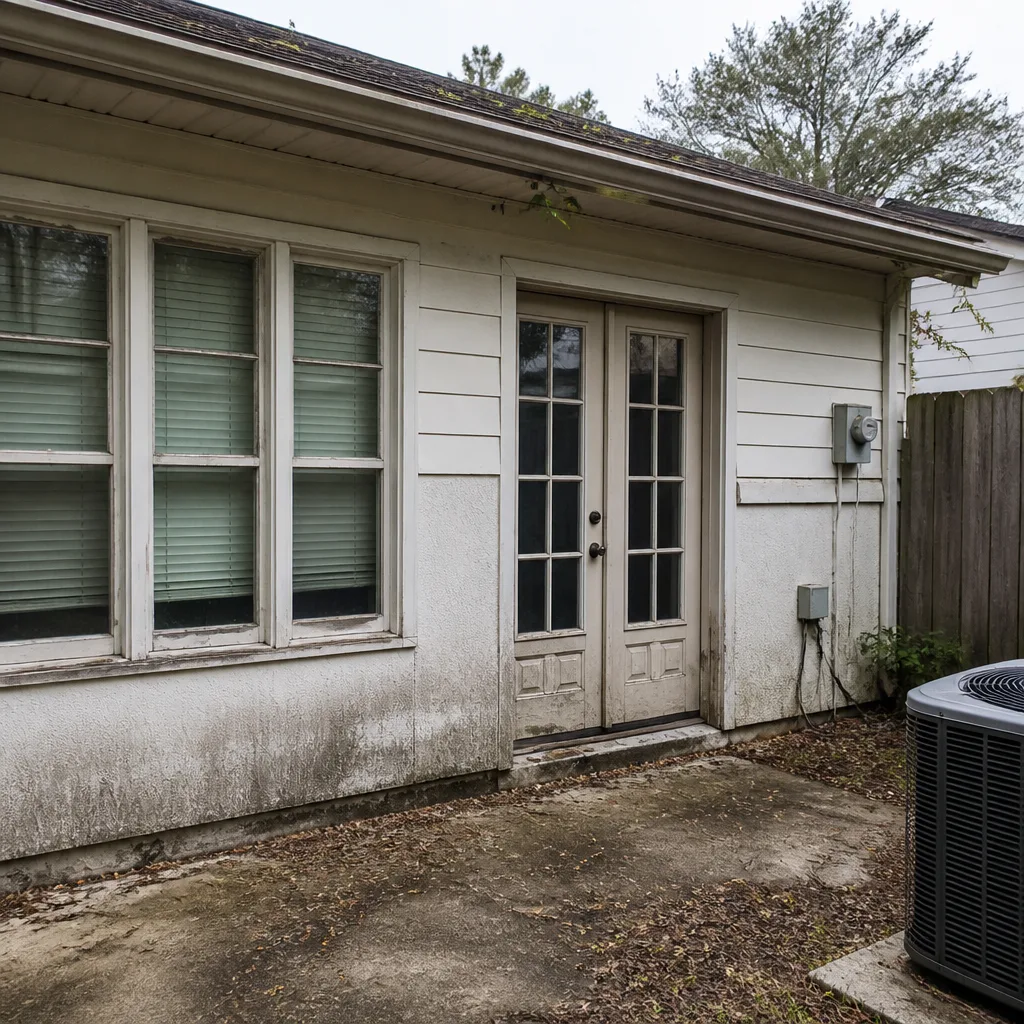 Before
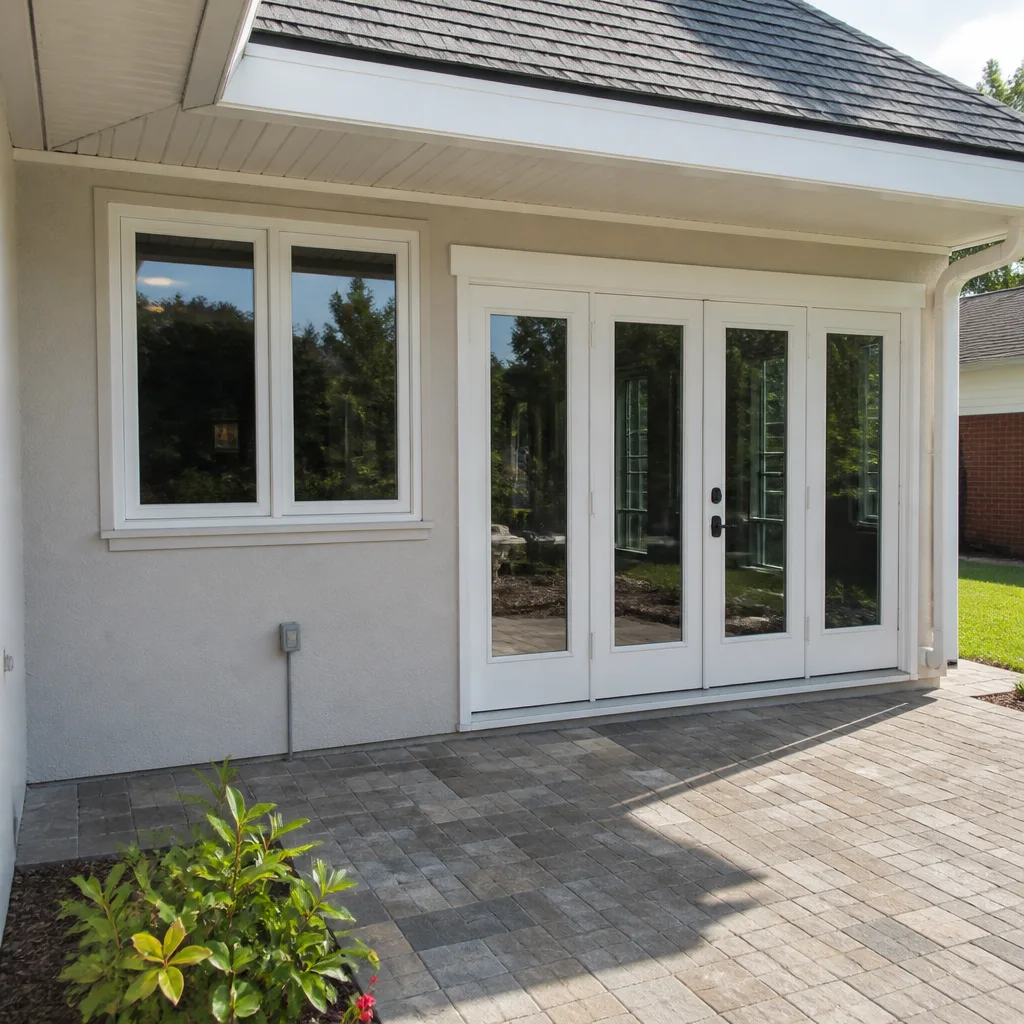 After
After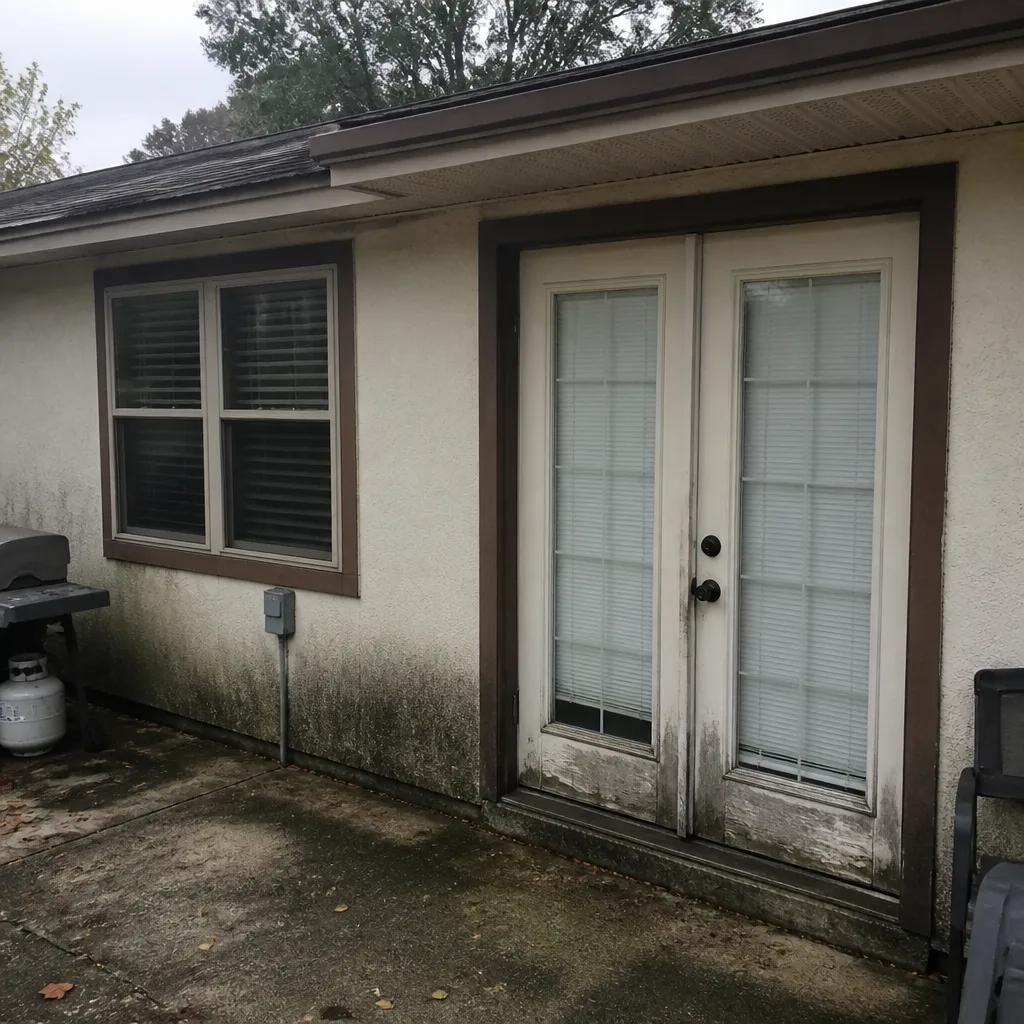 Before
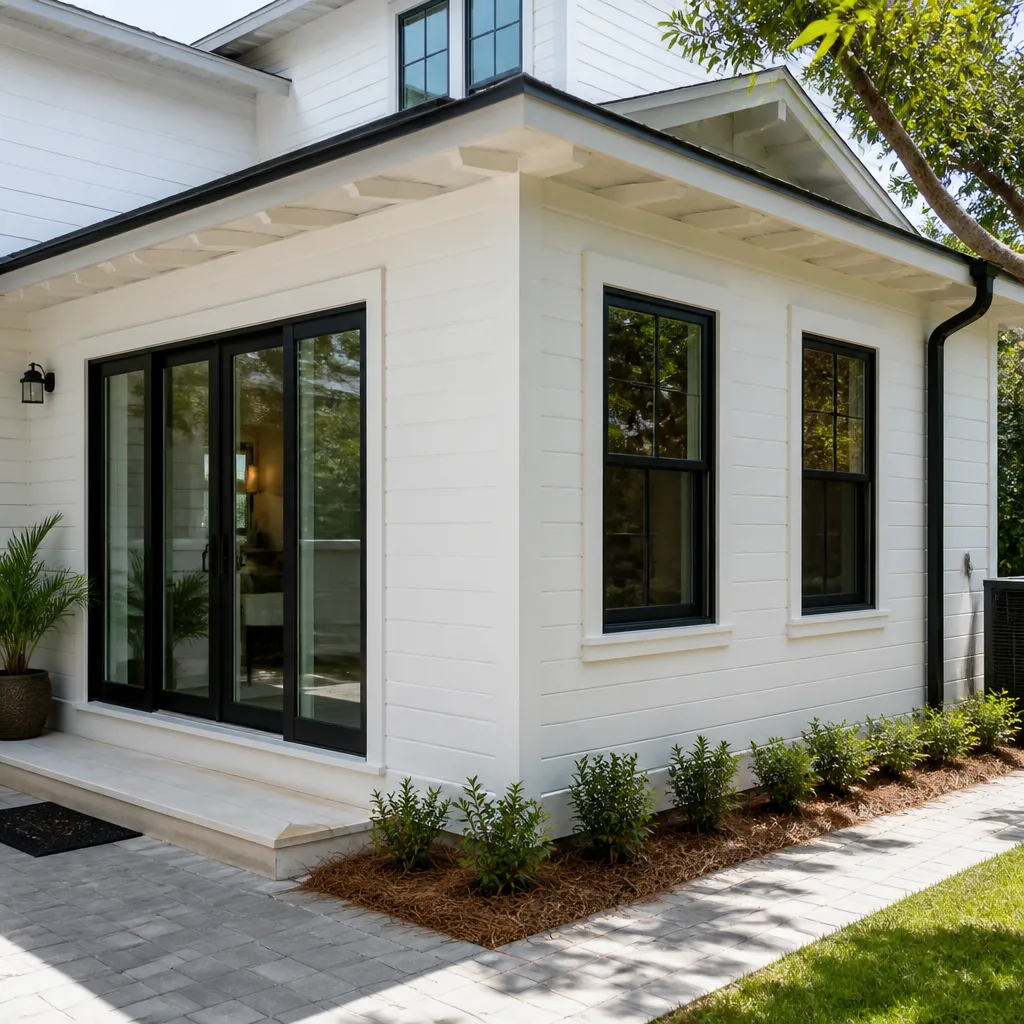 After
AfterSix Reasons Homeowners Choose Lightwell Windows Jacksonville
Impact systems engineered to design pressures up to +/-100, matched to your wind zone - your openings hold when the storm arrives.
Low-E insulated impact glass from our manufacturer lines commonly cuts monthly cooling bills 20-30%.
Laminated impact glass shuts out up to 40% of outside noise - traffic, neighbors, weather.
Monitoring services run $30-90 a month. Laminated impact glass resists forced entry around the clock, with no subscription.
Florida homeowners average around 25% savings on the windstorm portion of their policy after protecting every opening - some homes qualify for more.
A full impact package upgrades curb appeal, buyer confidence and appraised value in one project.