
Last updated October 17, 2026
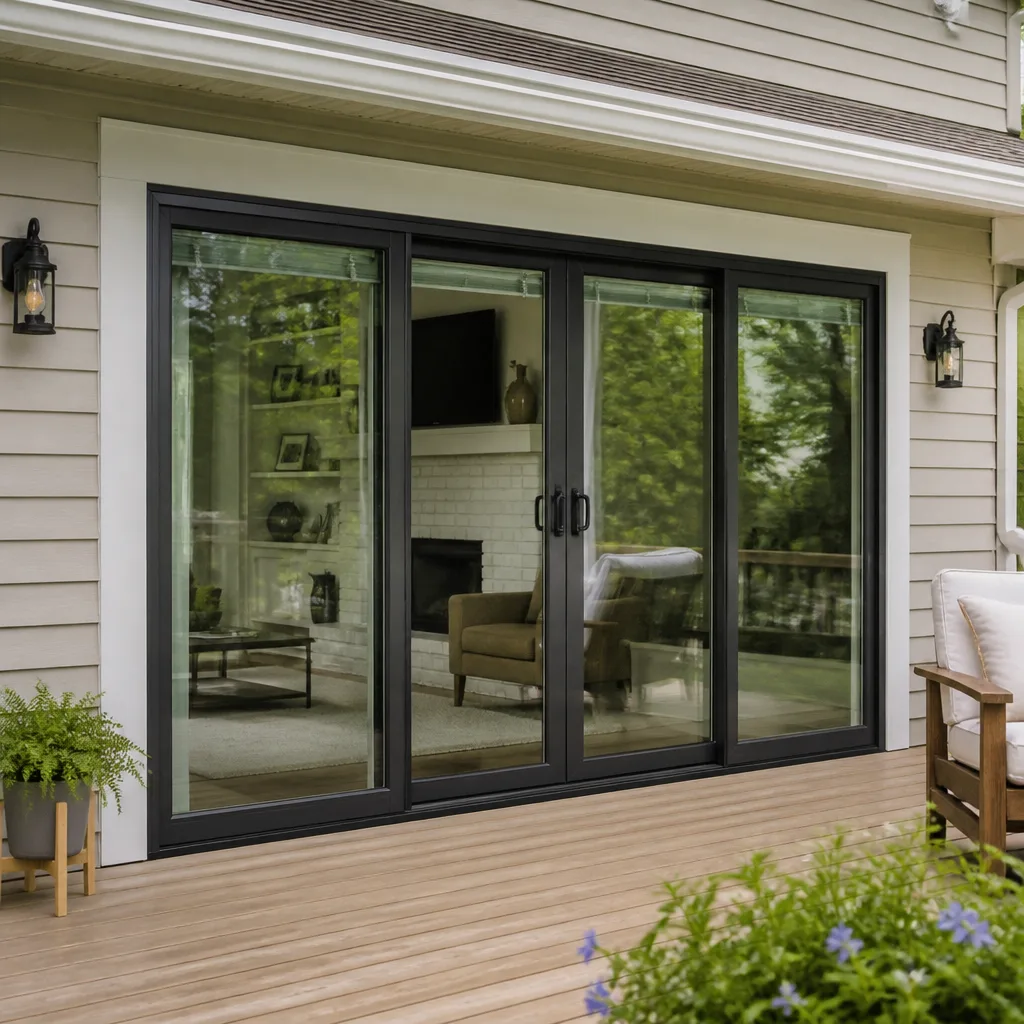 Sliding glass doors
 Single hung
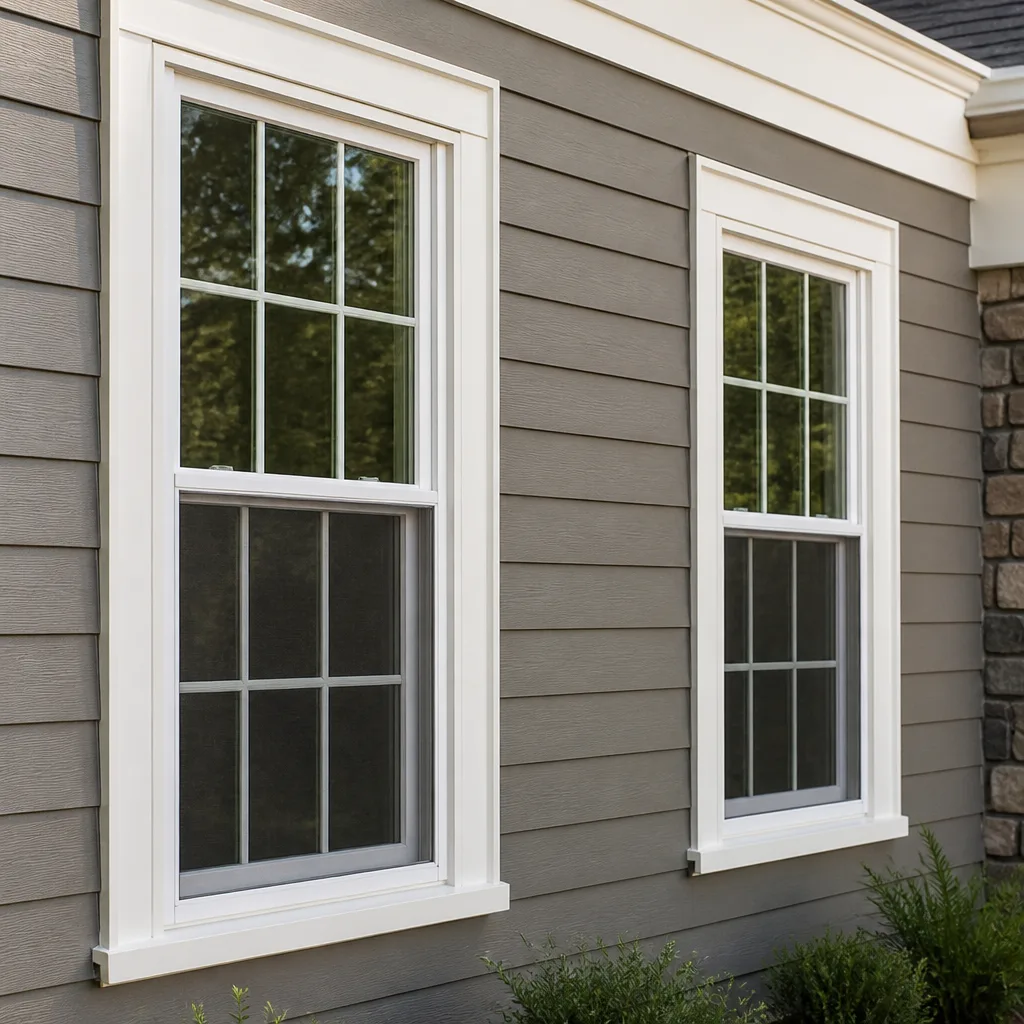 Double hung
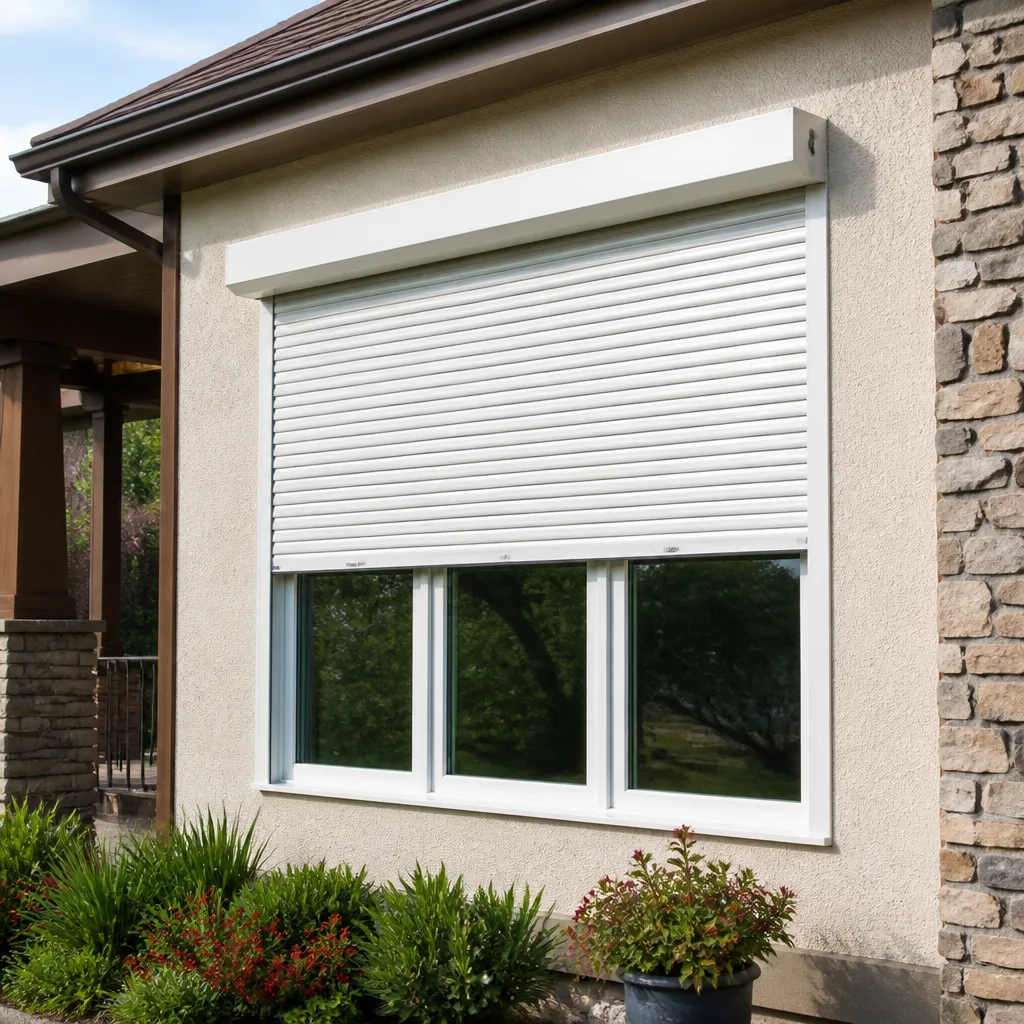 Horizontal roller
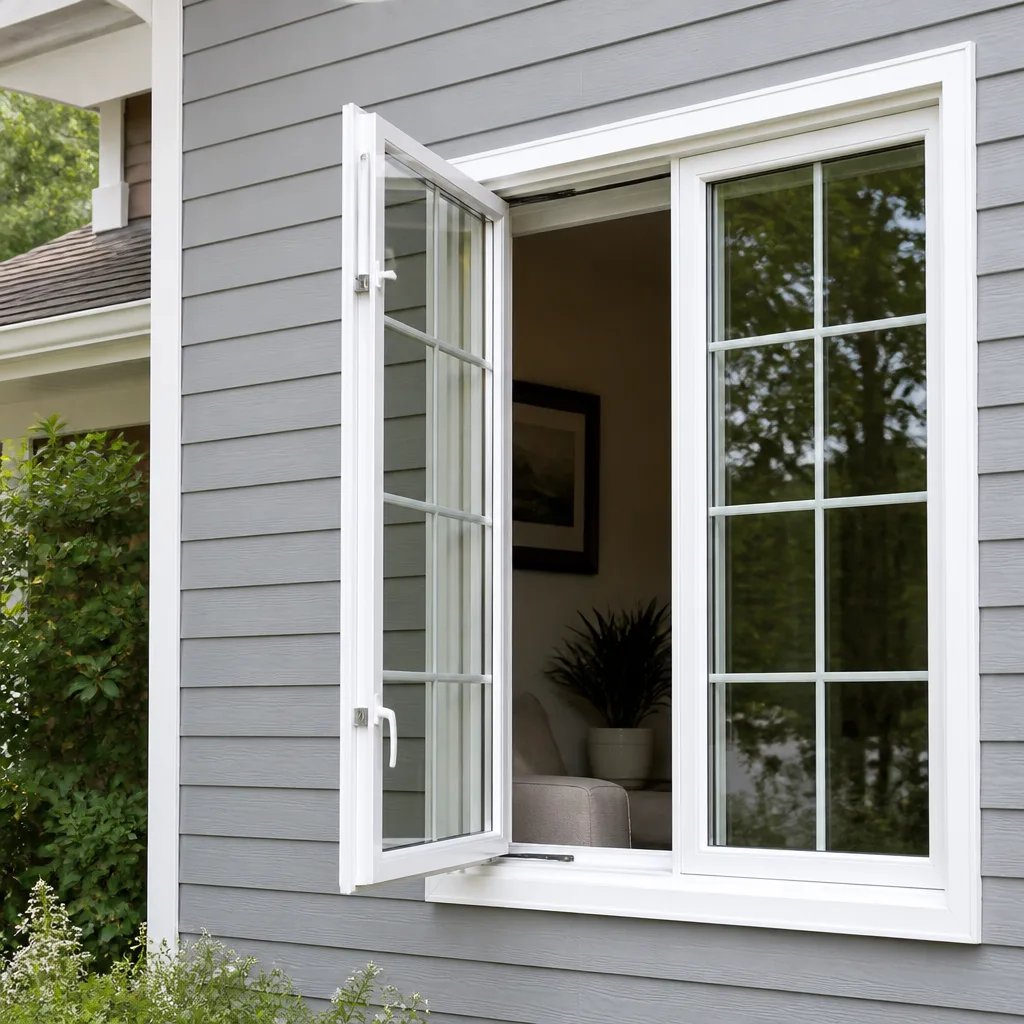 Casement
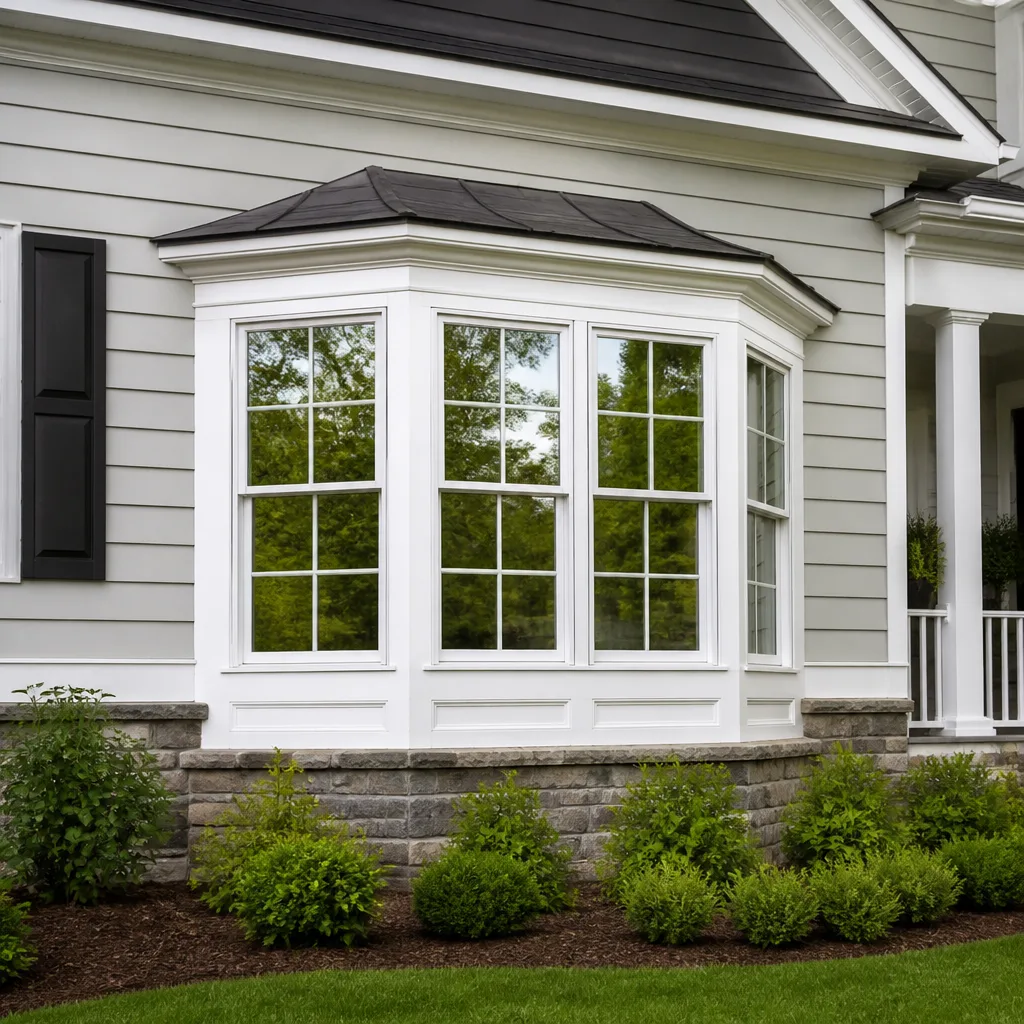 Bay & bow
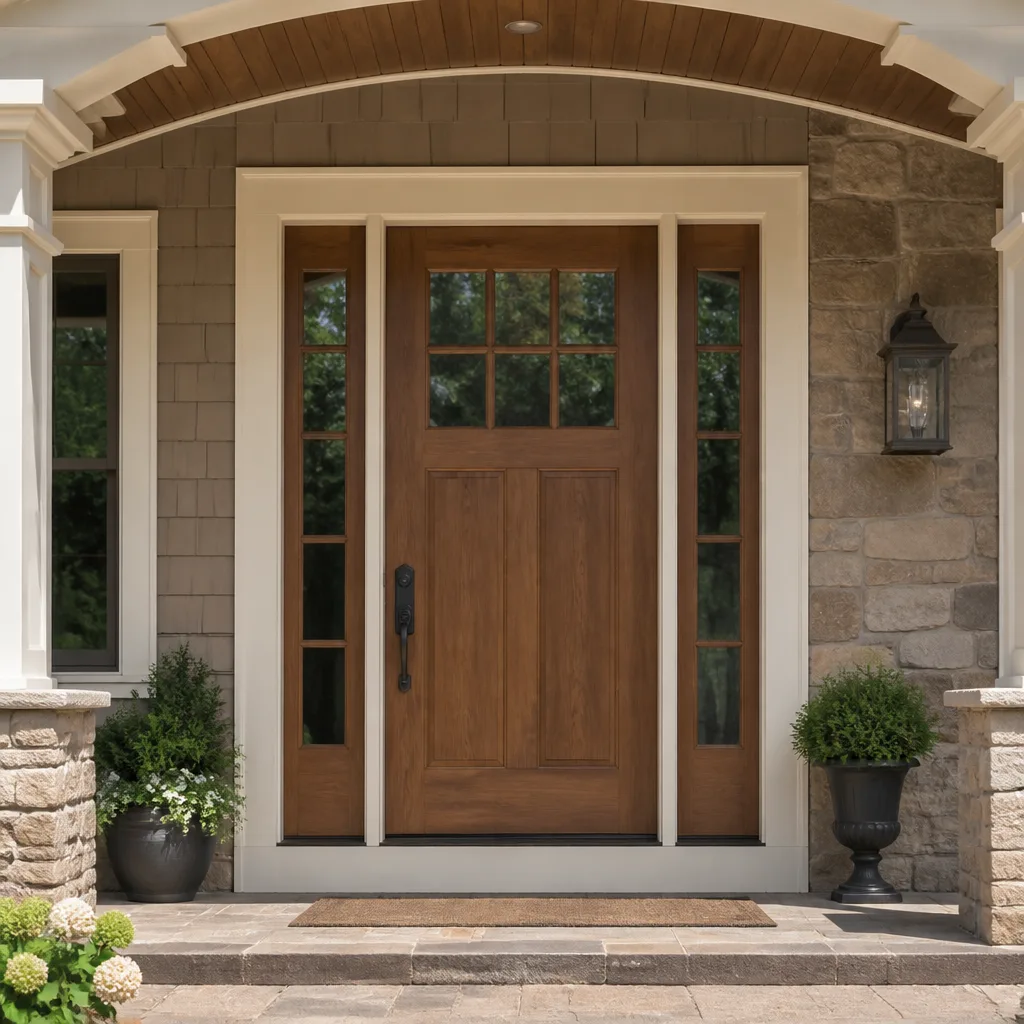 Entry doors
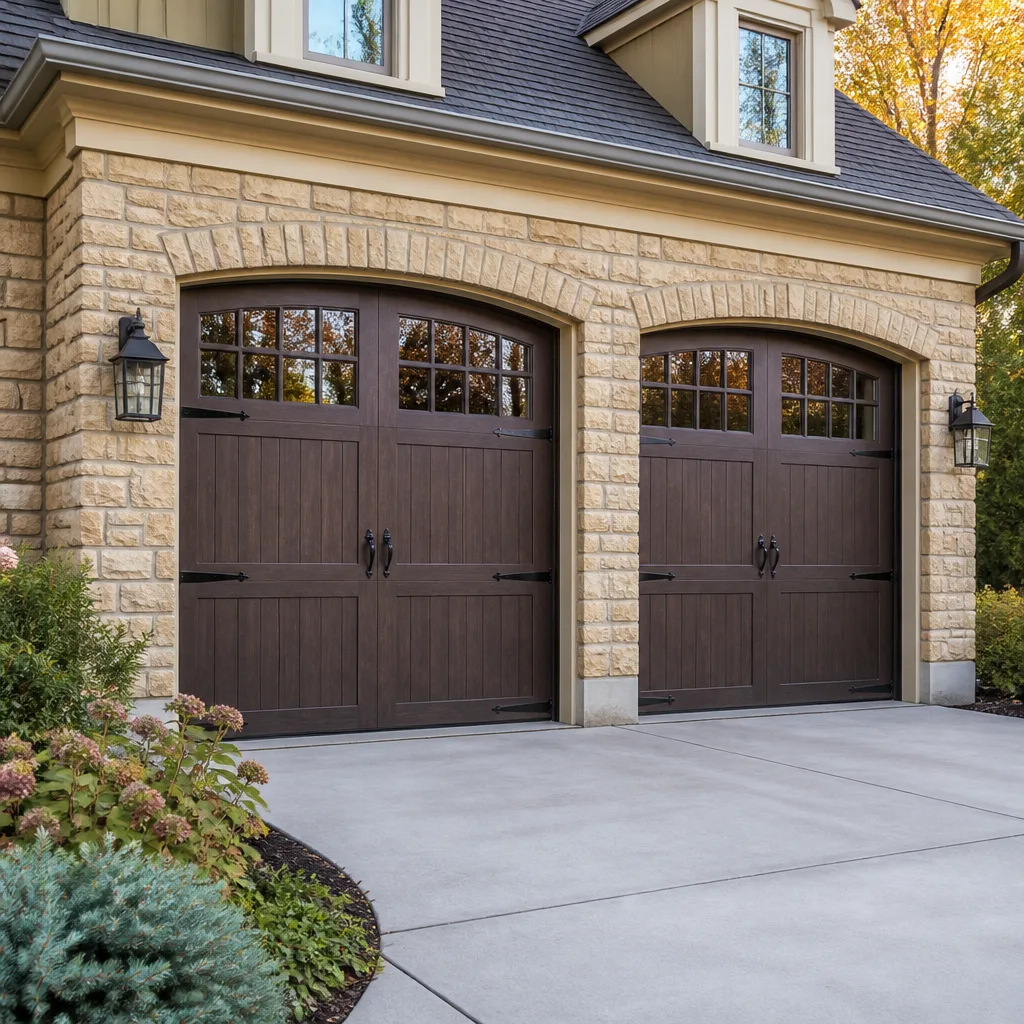 Impact garage doors
 PGT
PGT CGI
CGIFree in-home measure and quote - PGT, CGI and CWS impact lines compared on your actual openings, style by style
Get your free estimateWindows & Doors Warning Signs: A Jacksonville Homeowner’s Reference Guide
The costliest window repair calls in Jacksonville involve condensation between panes, but here is what surprises most homeowners: in roughly 40% of cases we inspect, what looks like a failed insulated glass unit is actually interior humidity exceeding 55% forcing moisture to the coolest surface in the room. Replacing the glass solves nothing because the moisture was never trapped inside the unit in the first place. This guide pairs each visible symptom with the two or three real causes, in order of likelihood, so you can describe the problem accurately before anyone touches anything. For a deeper dive into all your options, see The Complete Guide to Windows & Doors in Jacksonville. By the time you finish reading, you will know which signs demand a phone call, which ones you can watch for another season, and which ones need a different trade entirely.
Quick Answer
The warning signs that matter most in a Jacksonville home are condensation you can identify by location, drafts you can feel with the back of your hand, hardware corrosion with a rough or chalky texture, doors that stick or refuse to latch year-round, and visible daylight around a closed door or window. Most of these symptoms have more than one possible cause, and the fix ranges from under $100 to several thousand dollars depending on which cause is actually at work. Knowing how to distinguish one from the other before you call for an estimate will save you time, money, and the frustration of paying for a repair that does not address what is really wrong.
Styles & brands we work with
Table of Contents
- Condensation Location: A Diagnostic Tool Most Homeowners Skip
- Sticking Doors: Humidity Swelling vs. Structural Shift
- Salt-Air Corrosion on Hardware: When Lubrication Stops Working
- Drafts and Air Infiltration: Documenting an Underperforming Window
- The Door Threshold Seal: Three Different Failures, Three Different Fixes
- Frame Shift vs. Wood Expansion: The $50 Adjustment vs. the $2,000 Repair
- Common Mistakes to Avoid
- When to Call a Professional
- Frequently Asked Questions
Condensation Location: A Diagnostic Tool Most Homeowners Skip
Where moisture appears on a window is more important than whether it appears at all. Each location points to a different problem, a different fix, and a different price tag. In Jacksonville’s humid climate, this distinction matters more than in drier parts of the country because our indoor air carries significant moisture for most of the year.
Interior surface condensation means room humidity is condensing on the glass. It is not a window failure at all. Warm, moist indoor air hits a cool glass surface, drops below its dew point, and releases water. Common in kitchens during cooking, bathrooms after showers, and any room where a dryer vents poorly or houseplants cluster near glass. The window is doing exactly what physics says it should do. Fix the ventilation first: run exhaust fans, crack a window during heavy moisture events, or check that your HVAC system is pulling humidity properly.
Between-the-panes condensation means the insulated glass unit seal has failed. The desiccant inside the spacer bar has absorbed all the moisture it can hold, and what you are seeing is fog that will never clear on its own. This is a real window failure, and the fix is glass replacement or full window replacement in Jacksonville, depending on the frame condition and the age of the unit.
Exterior surface condensation actually signals a well-insulated window. It happens when the exterior glass surface cools below outdoor dew point overnight, typically on clear, still mornings. The window is holding heat inside so effectively that the outer pane stays cold enough to collect atmospheric moisture. It burns off as the sun rises. No action needed.
We tell Jacksonville homeowners to photograph condensation with a timestamp and note which side of the glass holds the moisture. That single piece of information often changes the entire diagnosis.
Sticking Doors: Humidity Swelling vs. Structural Shift
A door that sticks at the top corner during summer and opens fine in winter is usually behaving like every wood door in Jacksonville: expanding and contracting with seasonal humidity. A door that sticks at the same spot year-round, or sticks along the entire latch side, is telling you something structural has moved.
Here is how to separate the two in under ten minutes:
- Close the door and trace the sticking point with a pencil. Mark exactly where the door contacts the frame. One specific location suggests a localized issue, like a swollen edge or a sagging hinge. Contact along a full length suggests the frame itself is out of square.
- Check the gap at the latch side with the door closed. If the gap is wide at the top and tight at the bottom, or vice versa, the door slab has sagged on its hinges. Tighten all hinge screws first, then test again. Loose screws account for a surprising number of “warped” doors.
- Look at the reveal around all four sides. A properly installed door in Jacksonville shows a consistent gap of roughly 1/8 inch. Uneven reveals on multiple sides point to frame racking, often from settlement, a failing sill plate, or foundation movement.
- Open and close the door halfway. If it stays put, the hinges are roughly balanced. If it swings open or closed on its own, the frame is out of plumb.
A humidity-swollen door needs adjustment, a humidity-controlled environment, or light planing. A racked frame needs a different conversation entirely. For door installation in Jacksonville, a professional will check the frame for square before recommending whether the existing opening can be salvaged or whether the entire unit needs to come out.
Salt-Air Corrosion on Hardware: When Lubrication Stops Working
Jacksonville’s coastal zones subject door and window hardware to salt-air exposure that inland homes never face. Homes within a few miles of the Intracoastal, Atlantic Beach, Neptune Beach, or Mayport deal with airborne salt that settles on hinges, locks, rollers, and tracks. Over time, that salt reacts with metal and forms corrosion that lubrication alone cannot reverse.
Corrosion progresses through identifiable stages:
- Stage 1: Light oxidation. Hardware looks dull, cloudy, or slightly discolored. A white or gray powdery film appears on aluminum. Lubricant and a soft cloth restore function at this stage.
- Stage 2: Pitting and rough texture. The surface feels gritty or bumpy under your thumb even after wiping. The finish is compromised. Function may still be acceptable, but the hardware is degrading faster now.
- Stage 3: Flaking, bubbling, or green-white crust. This is advanced corrosion. Locks may bind, rollers may seize, and hinges may grind metal-on-metal. Lubrication will not fix this. The hardware needs replacement.
Homeowners near the coast should feel their window locks and door hinges once a season. A rough or chalky texture is the earliest warning that salt is winning. Replacing corroded hardware before it seizes is cheaper than repairing a door that was forced open or a window sash that jammed mid-operation. When hardware replacement is part of a larger window installation in Jacksonville, choosing corrosion-resistant hardware rated for coastal exposure makes sense for homes east of the Intracoastal.
Drafts and Air Infiltration: Documenting an Underperforming Window
A draft is not always the window’s fault. Before you call for an estimate, stand in the room on a windy day and hold the back of your hand near the window perimeter at multiple heights. Cold air arriving at the sash-to-frame joint means the weatherstripping has failed or the window has shifted out of adjustment. Cold air arriving at the wall-to-frame joint means the installation was never properly sealed, or the seal has deteriorated over years of Jacksonville heat and humidity cycles.
Documenting what you feel matters because it changes the scope of work:
- Wait for a windy day, not just a cold one. A still, cold day will make any large glass surface feel cool. You want moving air, not radiant cooling.
- Use a stick of incense or a single sheet of tissue. Hold it near each seam: top, bottom, both sides, and where the frame meets the wall. Watch for movement. Film it with your phone if you can.
- Note the direction of the draft. Air blowing inward suggests outside air is entering. Air being pulled outward suggests negative pressure inside the home, possibly from an oversized exhaust fan or return air imbalance, pulling air around the window opening.
- Check the weatherstripping itself. Look for flattened, cracked, or missing sections. In Jacksonville, rubber and foam weatherstripping degrade faster from UV exposure on south-facing and west-facing walls.
- Write down the window brand, model if visible, and which side of the home it faces. A west-facing window in Jacksonville takes brutal afternoon sun. If the draft is on multiple windows facing the same direction, the issue is likely systemic rather than a single failed unit.
A window underperforming its rated U-factor because of installation gaps is often repairable with proper flashing and sealing. A window underperforming because the insulated glass unit has failed usually makes glass replacement or full replacement the more sensible math.
The Door Threshold Seal: Three Different Failures, Three Different Fixes
Water on the floor near an exterior door, daylight visible under the closed slab, or a persistent draft at ankle level all point toward the same general area: the threshold. But the cause is not always the threshold, and the fix differs by trade and by budget.
A failed threshold seal is the simplest case. The rubber or vinyl sweep under the door has cracked, compressed, or pulled away from its channel. Daylight is visible under the door in one or two spots, and the water you find after a storm is limited to a small puddle near the strike. The fix is a new sweep or threshold cap, usually an inexpensive part and less than an hour of labor.
A failed door slab is different. Water that appears on the interior floor in a line parallel to the threshold, even after a new sweep, suggests water is wicking through the door itself, often through a cracked rail or a failed joint where the stile meets the bottom rail. Wood doors with peeling paint or visible splitting at the bottom are prime suspects. The slab needs replacement, not just the sweep.
A frame out of square is the third possibility. If the threshold seal only makes contact on one side, or the door slab sits cockeyed in the opening with an uneven gap at the bottom, the frame has moved. A door that is out of square will never seal properly no matter how much weatherstripping you add. The frame needs to be reset or replaced, and the price reflects that reality.
Each of these three causes appears as a separate line item on a proper written estimate. A contractor who cannot tell you which one applies is guessing.
Frame Shift vs. Wood Expansion: The $50 Adjustment vs. the $2,000 Repair
Wood moves. That is normal. Jacksonville’s summer humidity regularly pushes wood doors and windows to expand, and winter’s drier air lets them shrink back. A door that rubs at the top corner in August and swings free in January is a wood door being wood. A door that rubs every month of the year is a frame that has shifted.
The tactile test is simple and requires no tools. Run your palm slowly along the edge of the door where it contacts the frame. A swollen edge feels uniformly full, like the door has grown slightly larger all around. A shifted frame shows itself differently: the door still fits its own dimensions, but the opening no longer matches. You will feel the door contact the frame hard at one corner while the opposite corner clears by half an inch or more.
Visual confirmation comes from the corners. In a shifted frame, the diagonal measurements of the opening will be uneven. In a swollen door, the opening is square and the door is simply too tight. A $50 adjustment addresses the swollen door: trim, sand, or re-hang. A $2,000 repair addresses the shifted frame: pulling trim, checking the sill plate for rot, and resetting the unit in a square, properly flashed opening.
In Jacksonville, we see this confusion most often in older homes near Riverside, Avondale, and San Marco, where pier-and-beam foundations shift imperceptibly over decades. A homeowner who has lived with a sticky door for years will call about a loose hinge, and the inspection reveals the real story. Knowing which category you are in before the estimate protects you from paying for an adjustment that cannot fix a structural problem, and from authorizing structural work for what was simply a swollen door.
This foundational understanding matters for any window or door work on your home. For a broader look at how these frames and openings interact with your house, start at the Lightwell Windows Jacksonville home guide.
Common Mistakes to Avoid
- Replacing glass units for ventilation problems. If condensation is on the interior surface, the glass is fine. Replacing the IGU will not change your indoor humidity. You will spend real money and the fog will return with the next pot of pasta.
- Lubricating corroded coastal hardware and calling it fixed. Lubricant on Stage 2 or Stage 3 corrosion is a delay, not a repair. The hardware will seize again, often at the worst possible time. Replace pitted locks and rollers before they strand a sash open.
- Planing a door that is actually a frame problem. Trimming material off a door in a racked frame makes the door fit the racked opening, but it does nothing for the settlement that caused the shift. The door will bind again as movement continues.
- Ignoring a threshold that seeps only during sideways rain. Jacksonville gets plenty of afternoon thunderstorms with wind-driven rain. A small, intermittent leak is still water entering the floor assembly. Untreated, it rots subfloor and invites termites.
- Assuming every drafty window must be replaced. Drafts at the wall-to-frame joint are often installation issues, not product failures. Resealing and re-flashing is far cheaper than a full replacement and solves the actual air leak.
- Waiting to document intermittent symptoms. A door that only sticks during humid weeks, a window that only fogs for an hour each morning, a lock that only binds after rain. Photograph or film these when they happen. Evidence gathered in the moment changes the diagnosis when the professional arrives on a dry, mild afternoon.
When to Call a Professional
Call when the symptom is structural, not cosmetic. A frame that is out of square, a door slab that no longer seals, condensation between panes on multiple windows, hardware that has reached Stage 3 corrosion, or water entering the floor assembly around a threshold: these are not weekend fixes. Attempting them without the right tools and experience often costs more in repairs than the original issue would have. A draft you can document but cannot trace, a sticking door that defies your adjustment attempts, or any window install in Jacksonville that has shifted away from the wall: these warrant a trained set of eyes. If you are weighing whether to tackle it yourself, read DIY vs Professional Windows & Doors: The Jacksonville Homeowner’s Decision Guide first. Lightwell Windows Jacksonville offers free estimates in Jacksonville, and we put the price in writing before any work starts. Call (904) 914-3691 to schedule one.
Frequently Asked Questions
Condensation between the two panes of glass means the insulated glass unit seal has failed. Condensation on the interior surface of the glass means indoor humidity is too high, and condensation on the exterior surface is normal and indicates the window is insulating well. The location of the moisture, not its presence, is the diagnostic.
Most window replacements in Jacksonville run between $600 and $1,800 per opening depending on the window size, frame material, glass package, and whether the install requires new flashing or interior trim work. Full-frame replacements cost more than pocket replacements because the entire window including the frame comes out and the opening gets rebuilt and resealed. Call (904) 914-3691 for an exact quote on your specific windows, and you will get a written price before anything starts.
Wood doors in Jacksonville absorb moisture from humid summer air and expand enough to rub against the frame. When winter arrives and the air dries, the door shrinks back and the rubbing stops. This seasonal pattern is normal wood behavior, not a failing door. A door that sticks year-round suggests a frame that has shifted.
If the draft is coming from a failed or flattened weatherstrip at the sash, replacing the weatherstripping is a straightforward fix. If the draft is coming from where the window frame meets the wall, that is an installation problem involving flashing and sealant, and it is better handled by a professional who can remove the trim, inspect what is behind it, and reseal properly. How to Hire a Windows & Doors Contractor in Jacksonville: A Step-by-Step Guide walks you through vetting the right pro.
Homes within two or three miles of the ocean or Intracoastal waterways can show light oxidation on uncoated hardware within a single year. Pitting may take three to five years depending on prevailing winds and how often the home is opened. Coastal-rated hardware, regular cleaning, and early replacement of pitted components all slow the process.
Lightwell Windows Jacksonville handles full replacements and new installations. For windows that are still structurally sound but have a failed glass seal, failed weatherstripping, or corroded hardware, we can assess what is repairable versus what should be replaced, and we give you the written breakdown before you commit to anything.
The Bottom Line
Most window and door warning signs in a Jacksonville home are misread because the symptom gets attributed to the wrong cause. Condensation that looks like a glass failure is often a humidity problem. A sticking door that looks like wood swelling is often a frame that has moved. A drafty window that looks like a product failure is often an installation gap. And hardware that looks like it just needs oil is often past saving in this coastal air. The fix is not more more guides & resources from the internet. It is a trained inspection that pairs each visible symptom with the real cause before quoting a single dollar. Call (904) 914-3691 for a free estimate, and you will get a written price before any work begins.
Written by Keith Yamada, Owner at Lightwell Windows Jacksonville, serving Jacksonville since 2010.
See the difference
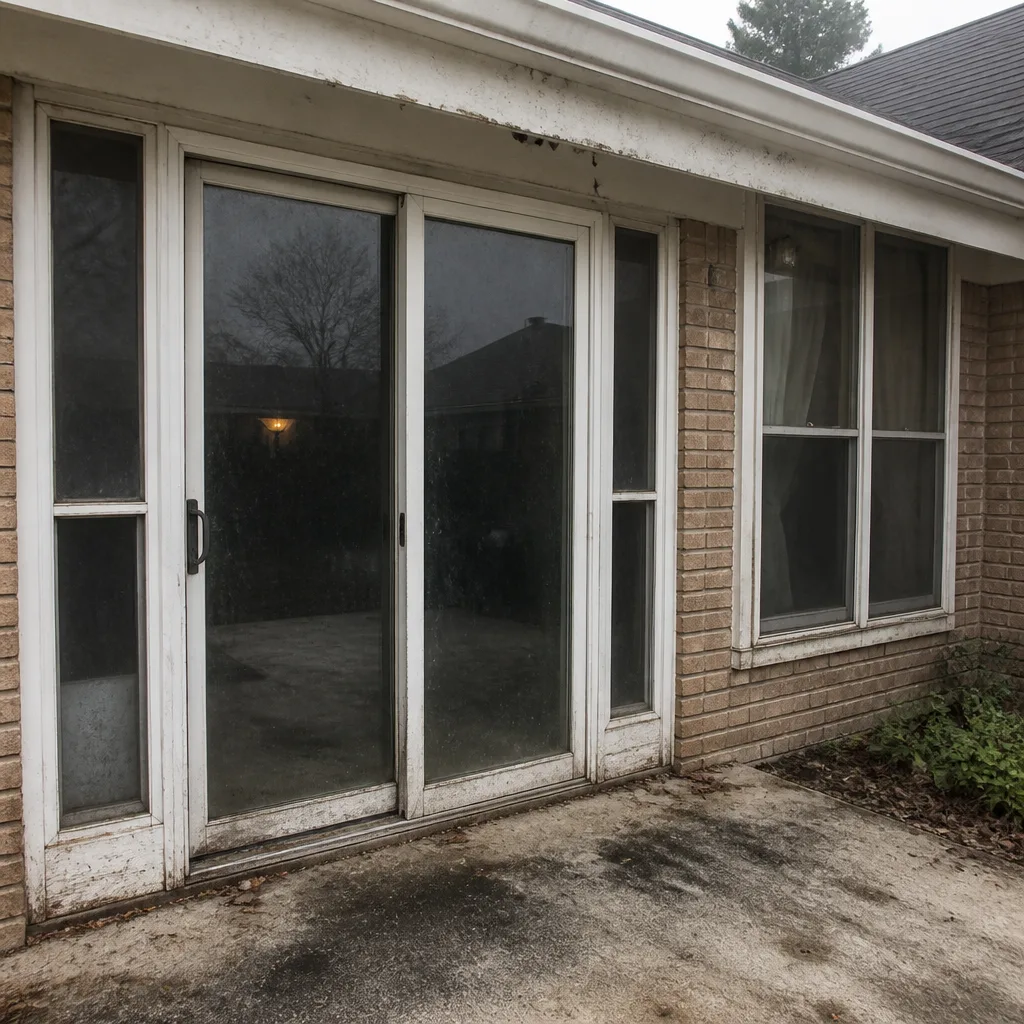 Before
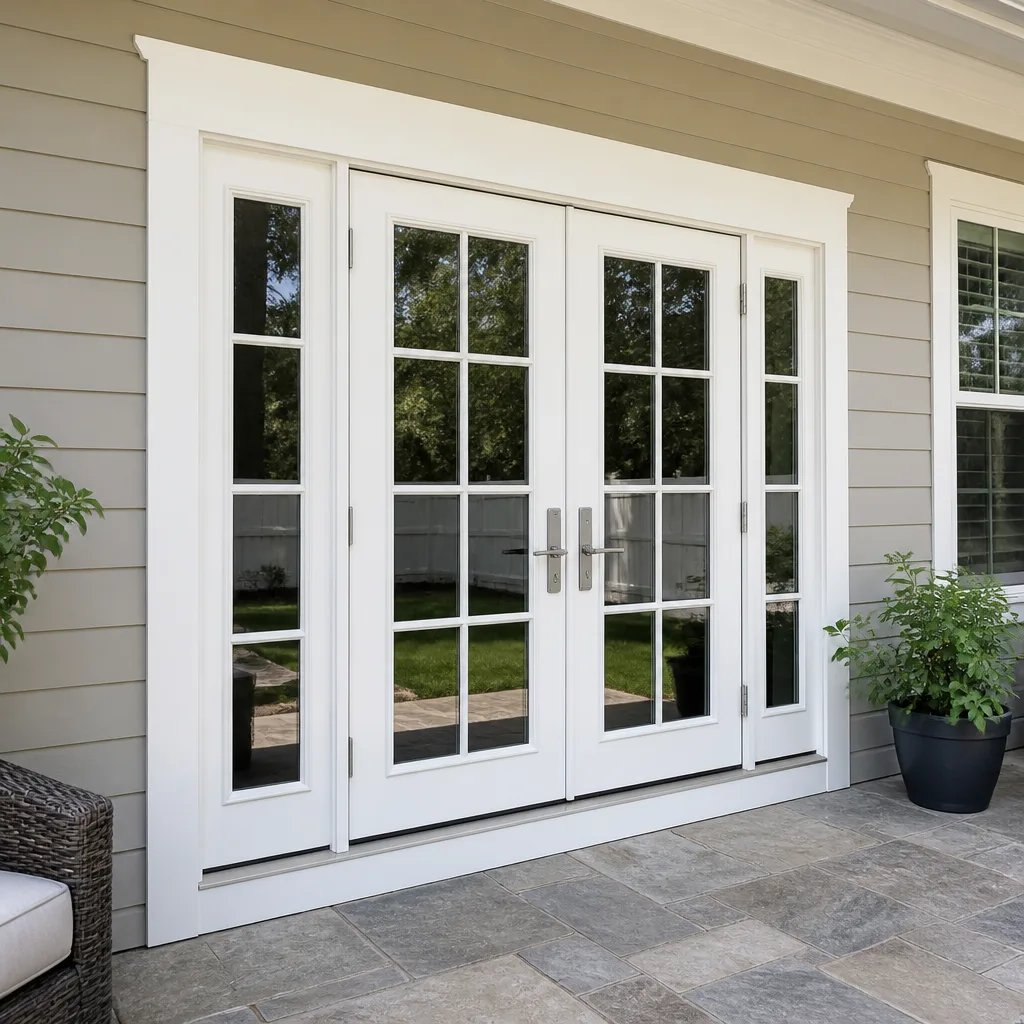 After
After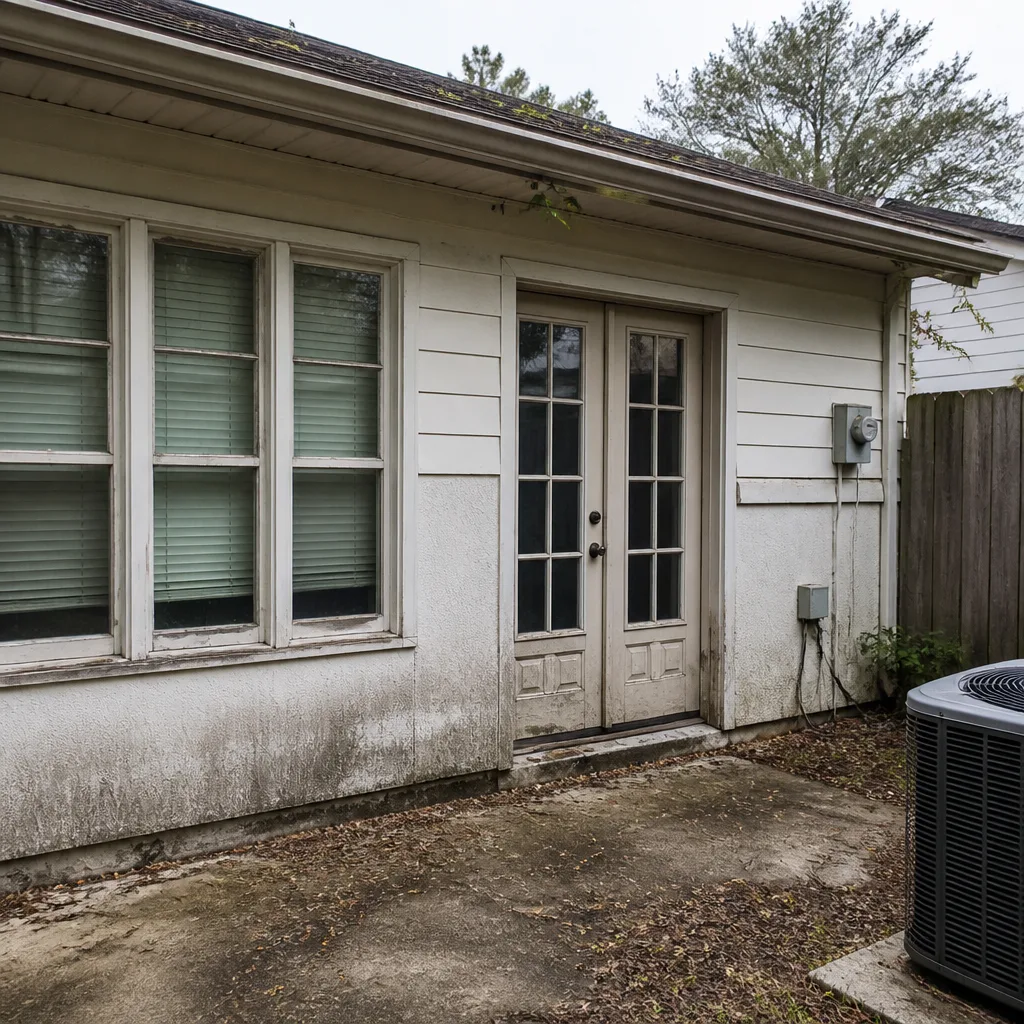 Before
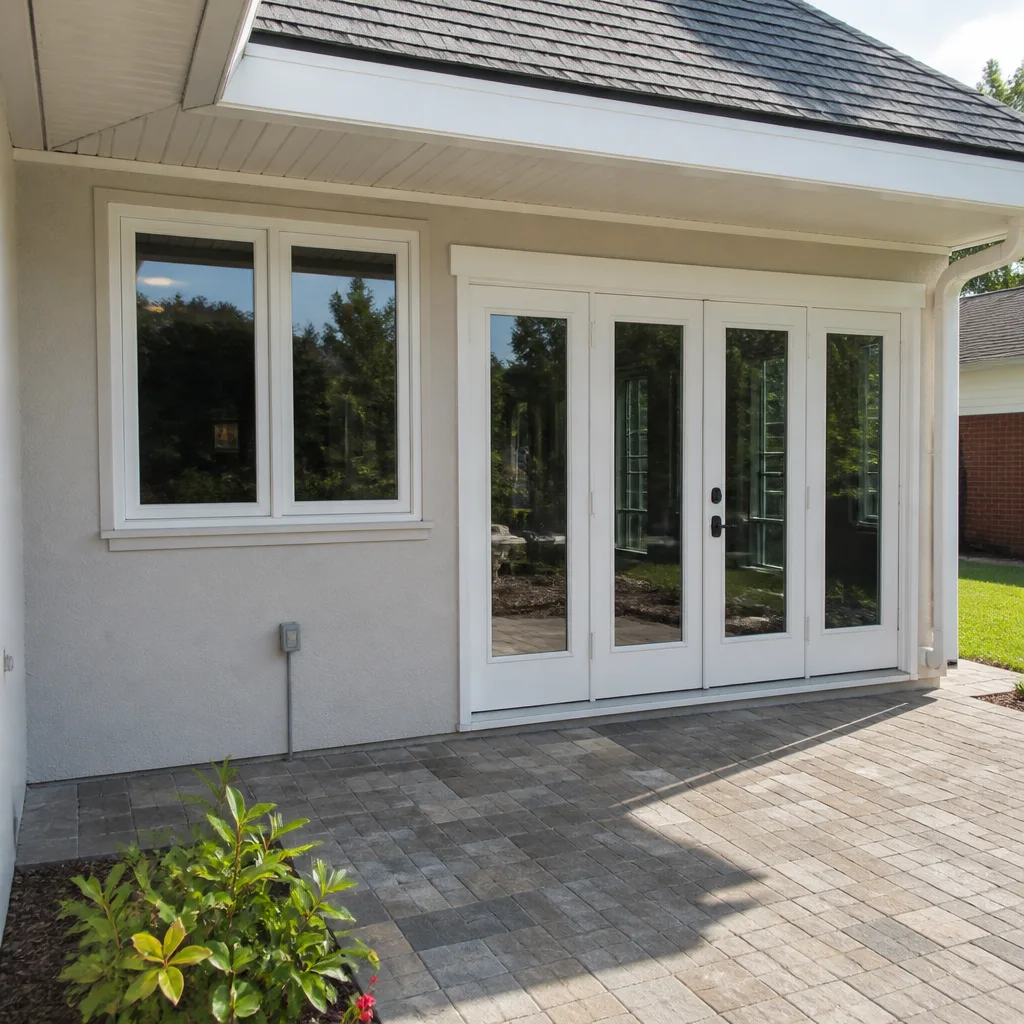 After
After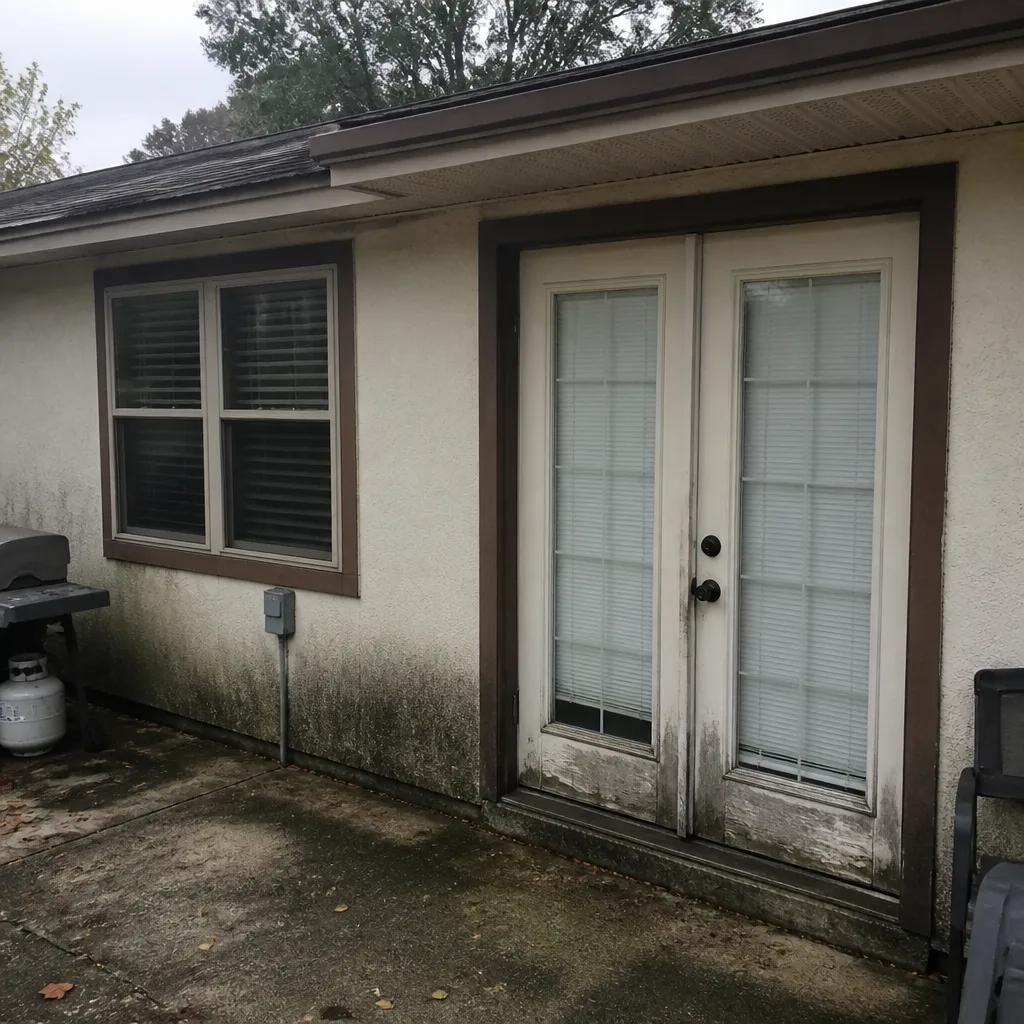 Before
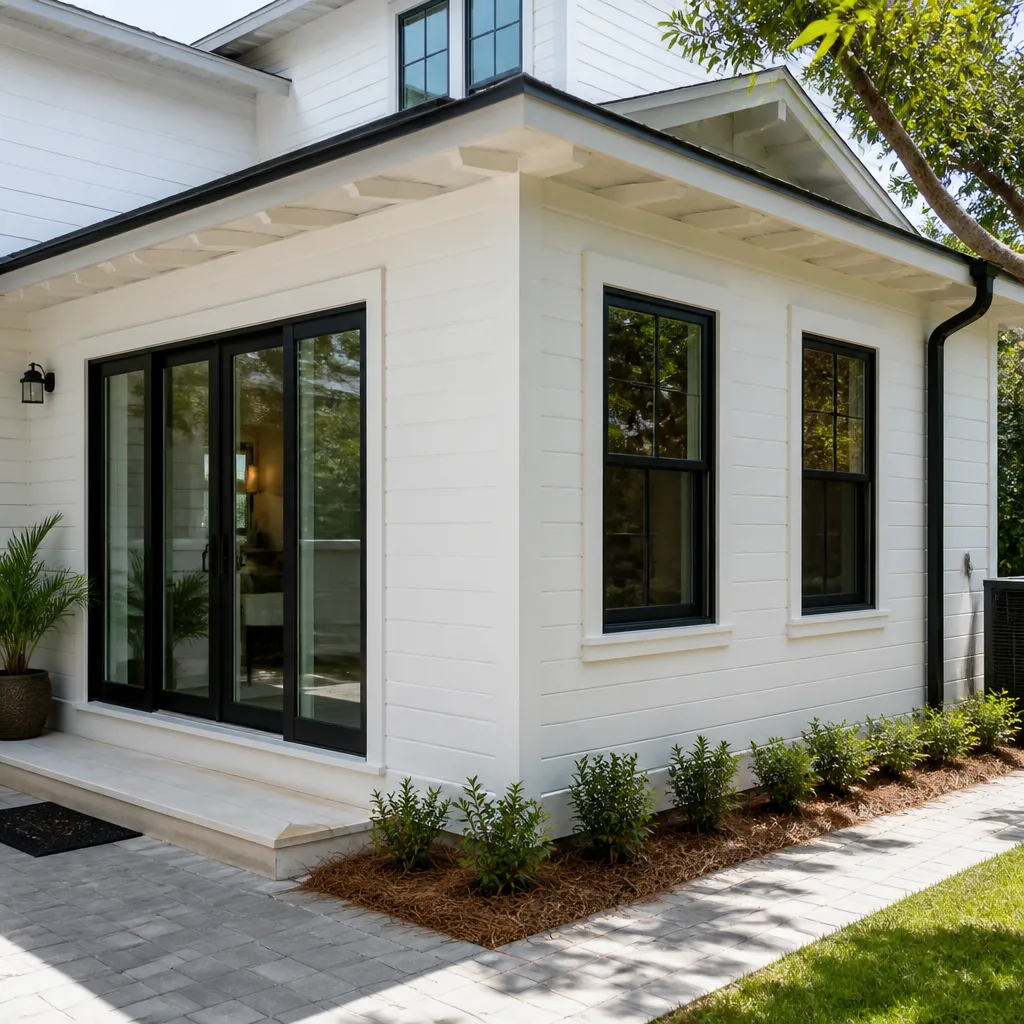 After
AfterSix Reasons Homeowners Choose Lightwell Windows Jacksonville
Impact systems engineered to design pressures up to +/-100, matched to your wind zone - your openings hold when the storm arrives.
Low-E insulated impact glass from our manufacturer lines commonly cuts monthly cooling bills 20-30%.
Laminated impact glass shuts out up to 40% of outside noise - traffic, neighbors, weather.
Monitoring services run $30-90 a month. Laminated impact glass resists forced entry around the clock, with no subscription.
Florida homeowners average around 25% savings on the windstorm portion of their policy after protecting every opening - some homes qualify for more.
A full impact package upgrades curb appeal, buyer confidence and appraised value in one project.