
Last updated October 17, 2026
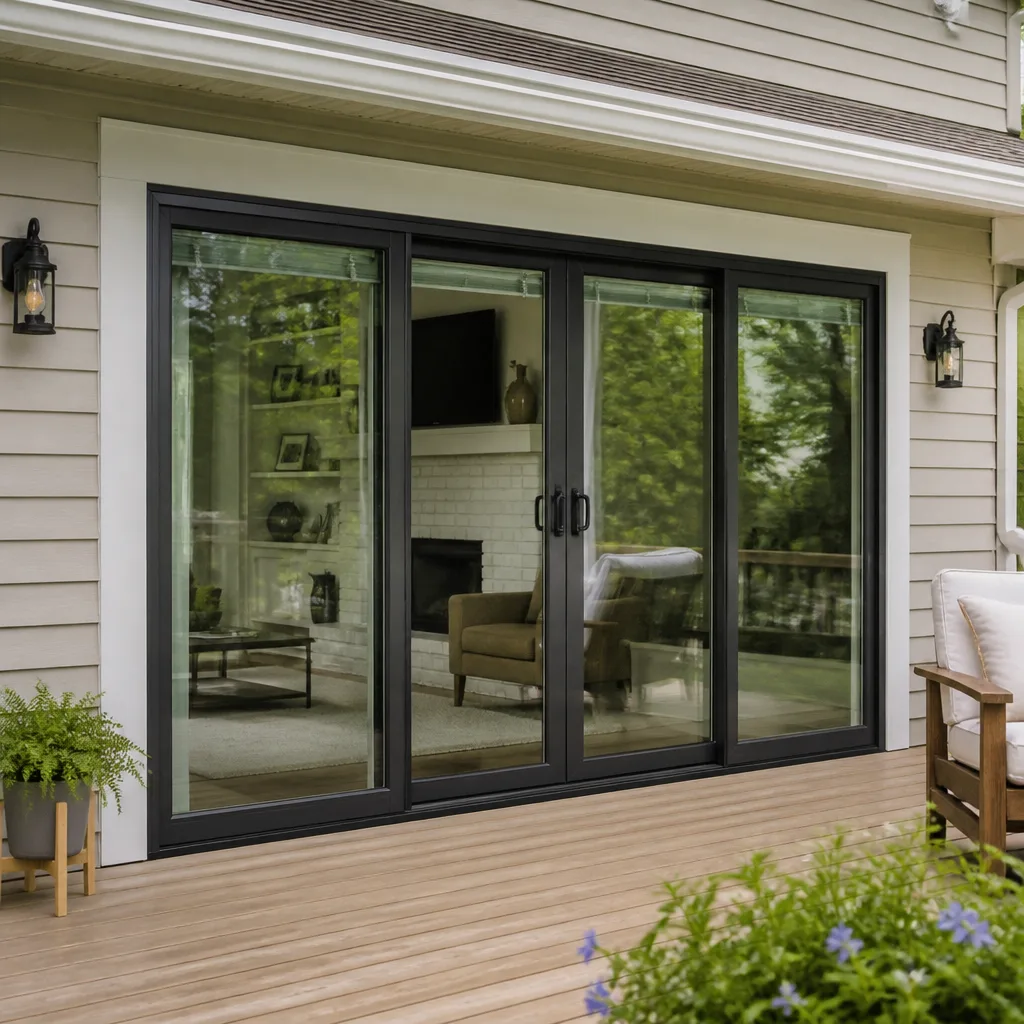 Sliding glass doors
 Single hung
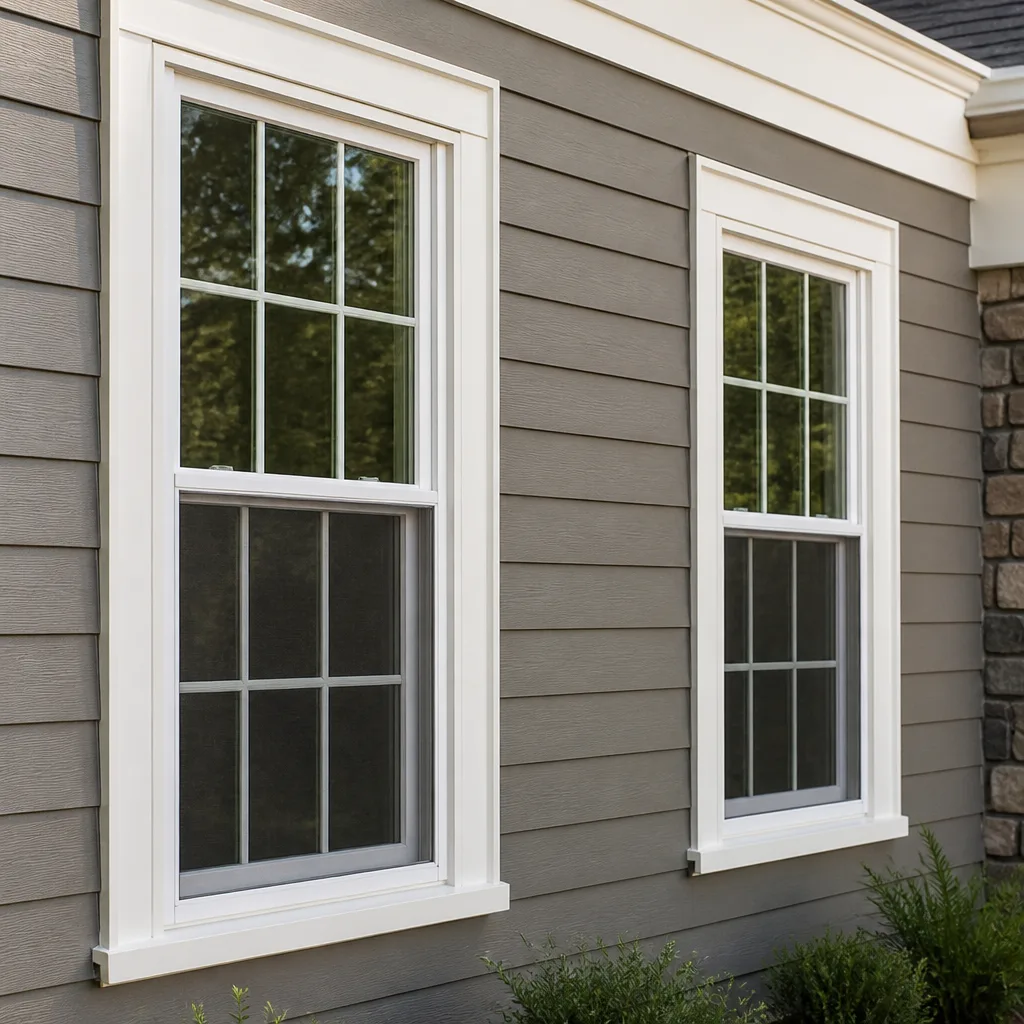 Double hung
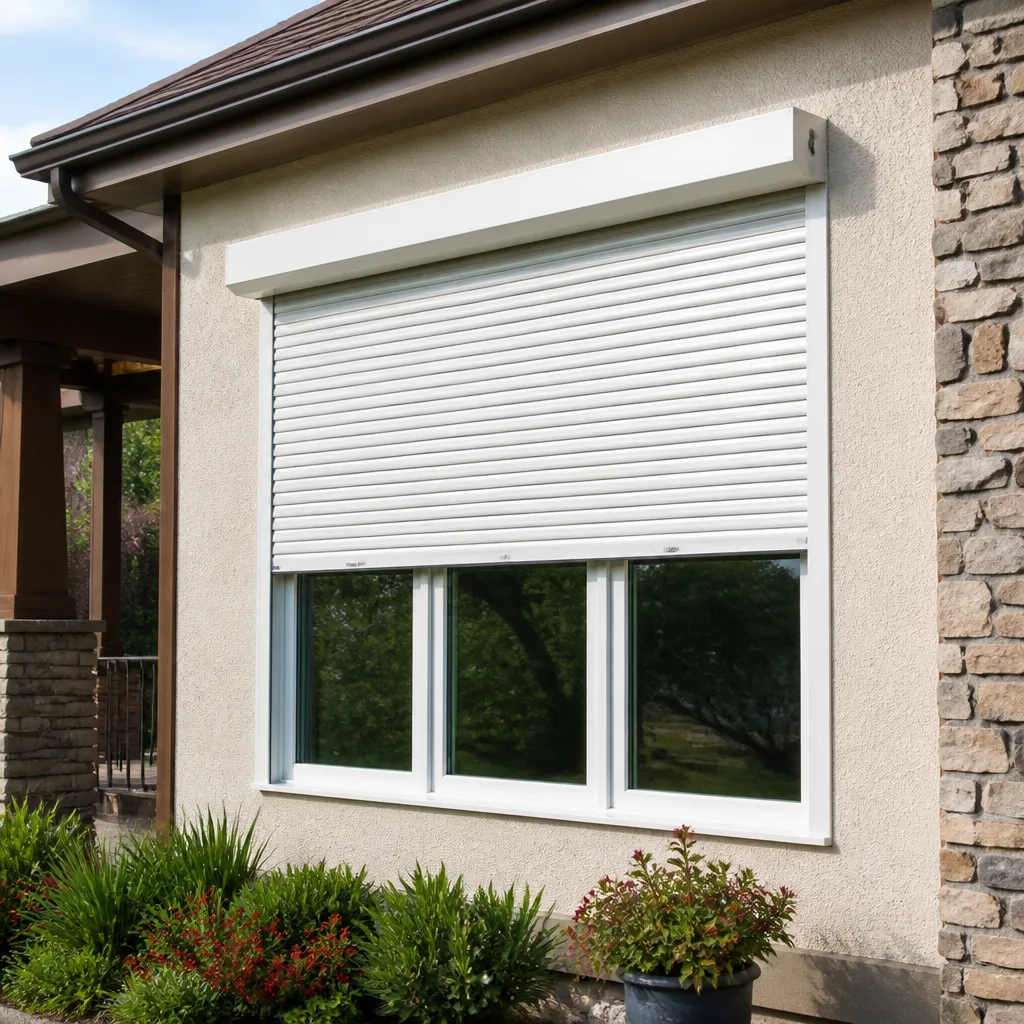 Horizontal roller
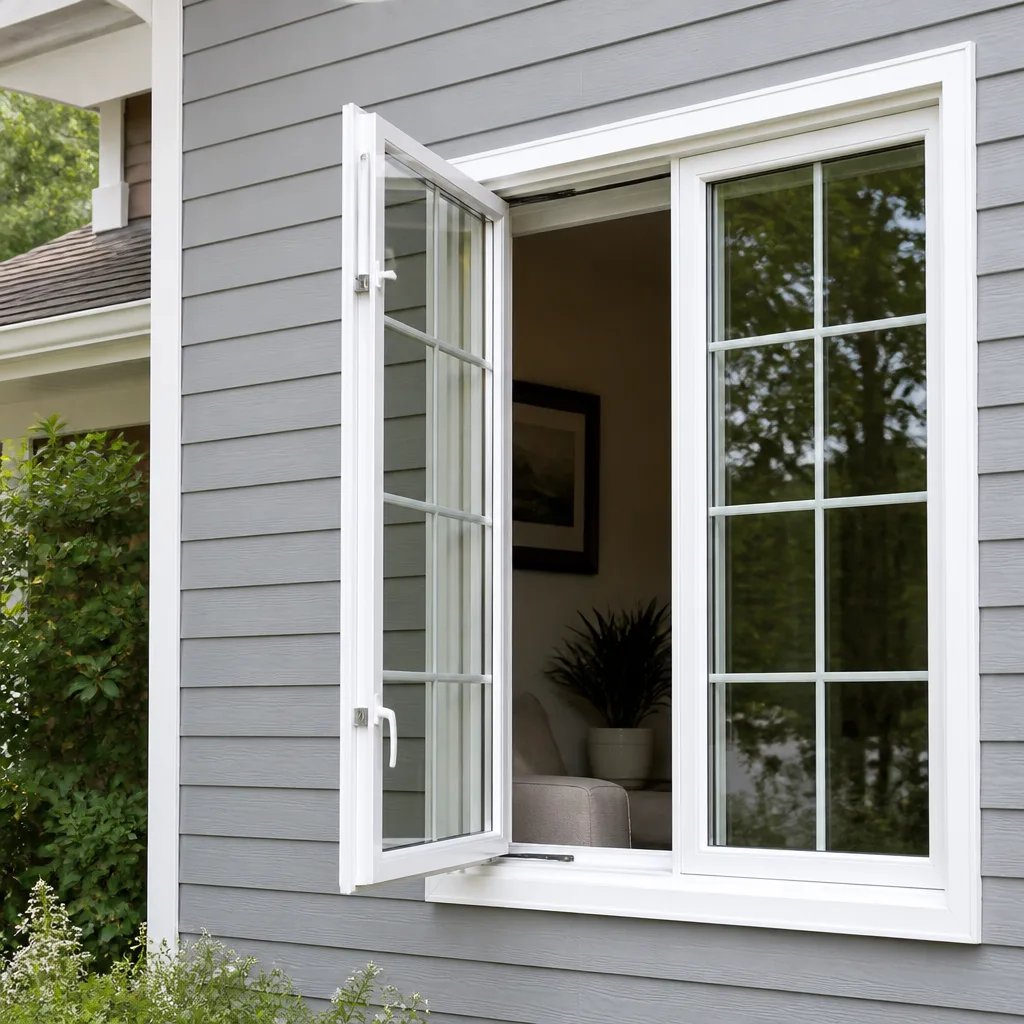 Casement
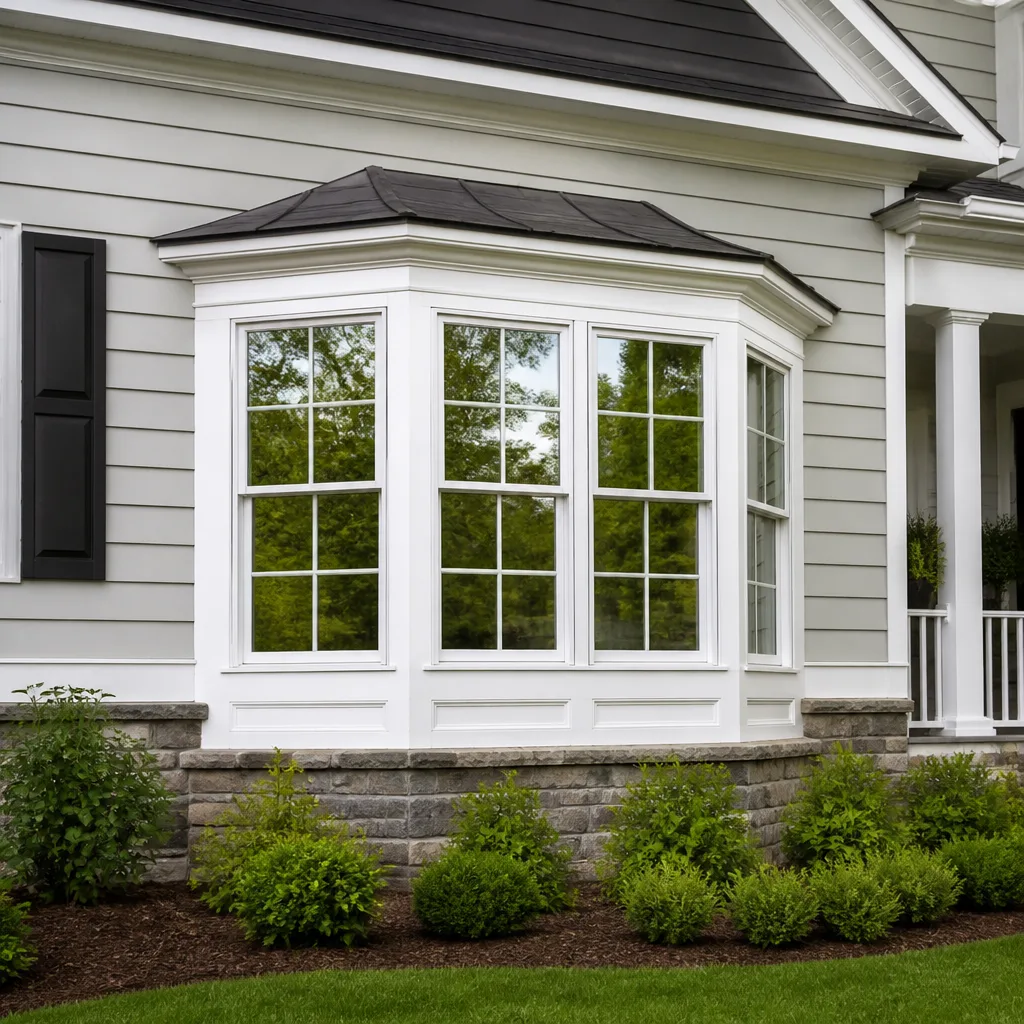 Bay & bow
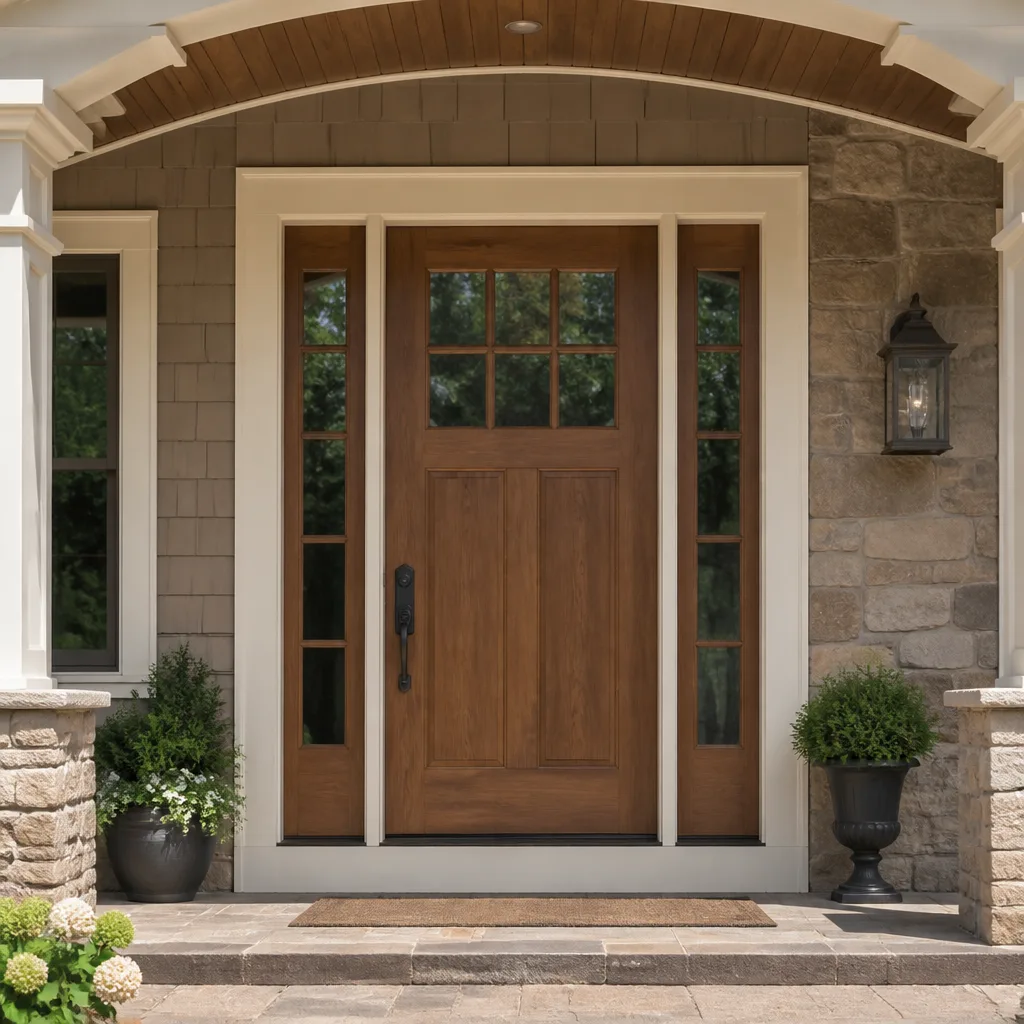 Entry doors
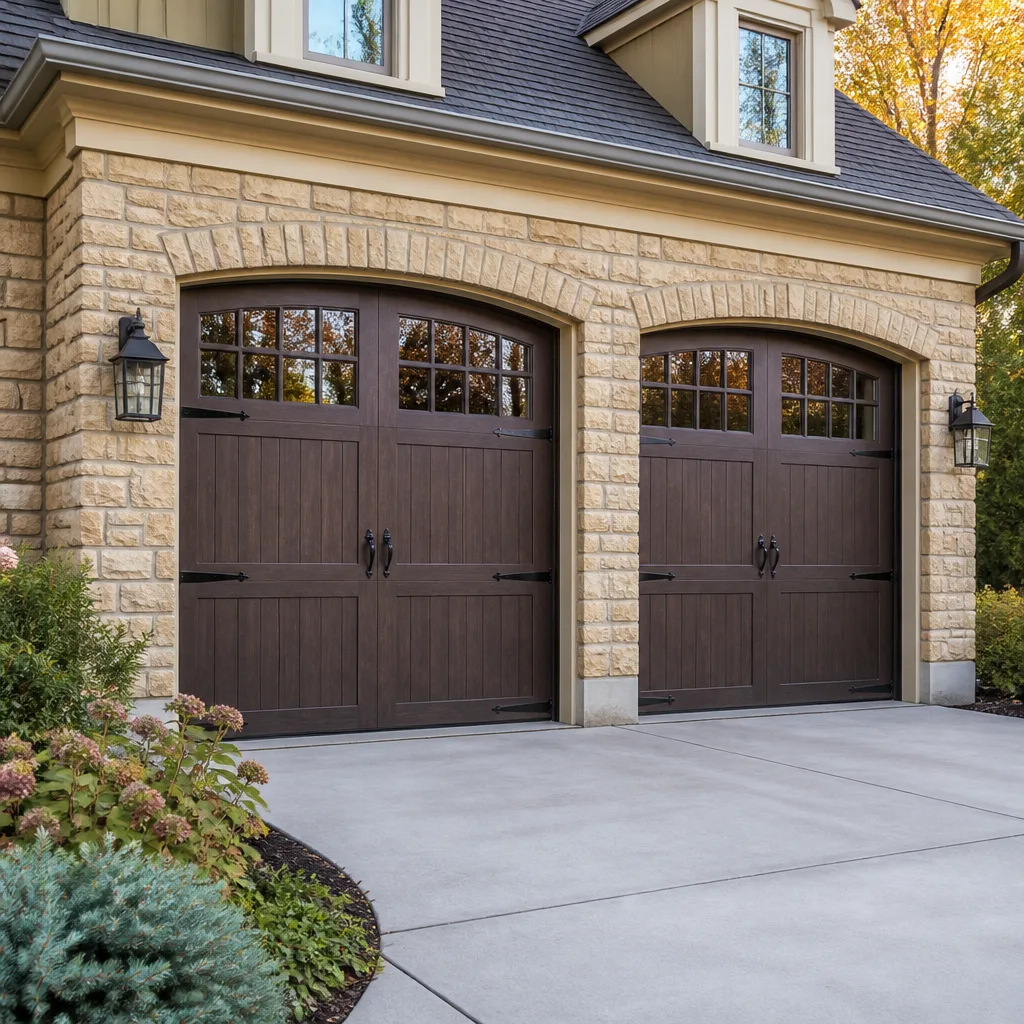 Impact garage doors
 PGT
PGT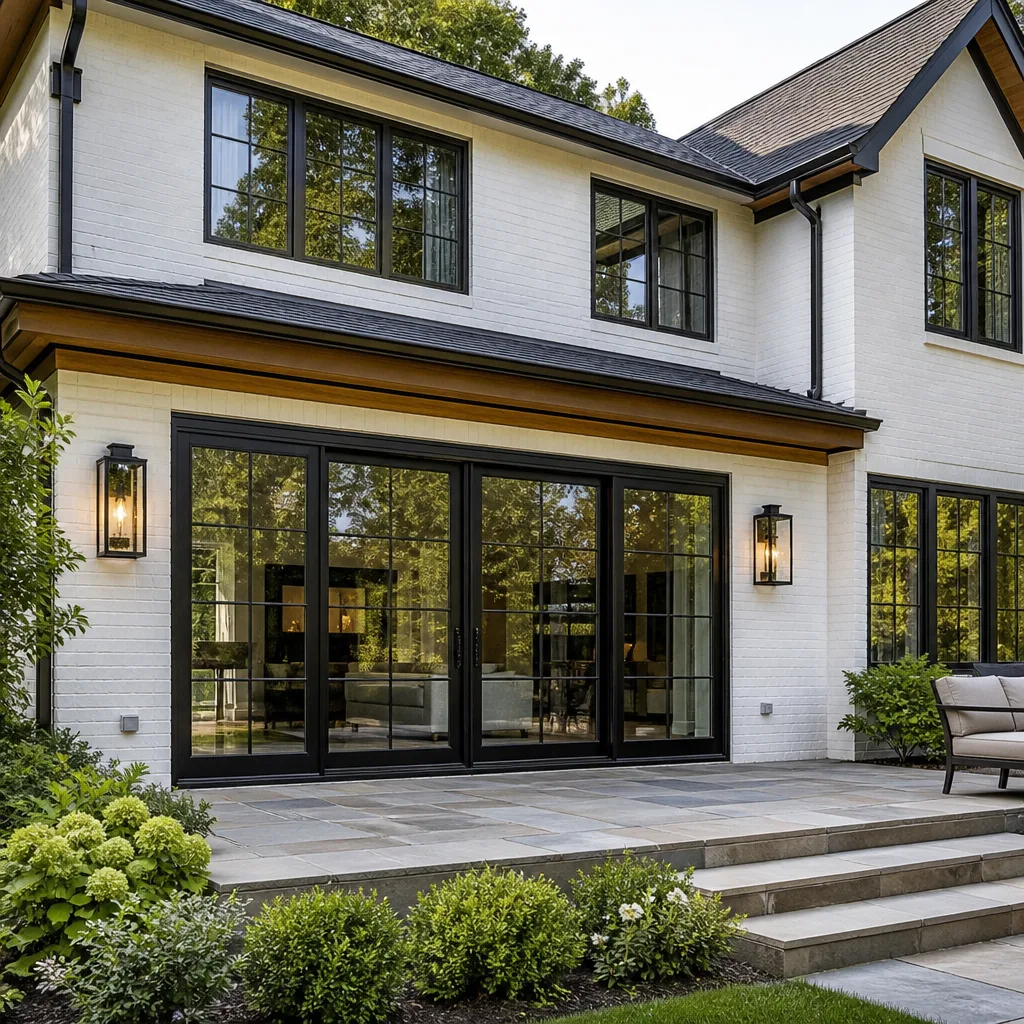 CGI
CGIFree in-home measure and quote - PGT, CGI and CWS impact lines compared on your actual openings, style by style
Get your free estimateWindows & Doors Cost Breakdown: The Jacksonville Homeowner’s Reference for 2026
If you’ve asked three Jacksonville contractors to price out eight replacement windows, you’ve probably seen something strange: one quote comes in around $6,800, another at $9,400, and a third at $12,900. Same house, same room count, same window openings. The difference almost never comes down to glass quality alone. It comes down to what’s been quietly removed from the cheaper quote’s scope of work: the permit-pull, the haul-away, the interior trim repair, the post-installation inspection. In Jacksonville, where impact ratings and post-storm labor demand shape every legitimate price, that spread is bigger than most national averages. This guide will explain every line item that should appear on a Jacksonville window and door quote in 2026, what drives the numbers up or down, and how to tell a contractor-grade estimate apart from a thin bid that will mushroom at the end of the job. For the complete guide to windows & doors in Jacksonville, see our deeper resource.
Quick Answer
In Jacksonville in 2026, plan on spending between $600 and $1,400 per standard window opening for a mid-grade vinyl or aluminum replacement with Low-E glass, including installation, basic trim, and permit fees. Impact-rated units, which many Jacksonville homes near the Intracoastal or in evacuation zones require or benefit from, typically run $900 to $2,100 per opening depending on the product and frame material. A full-house window replacement on a 2,000-square-foot Florida ranch with 12 to 15 openings will most often land between $9,000 and $22,000 when the quote is itemized honestly. Entry and patio door installations follow a similar pattern: $1,800 to $5,500 for most standard installations, with impact-rated sliders and French doors pushing toward the higher end. These ranges reflect Jacksonville’s 2026 market conditions: Florida-specific product approvals, local permit requirements-covered in detail in our Windows & Doors Permits, Codes & Inspections in FL: What You Need to Know guide, and a labor market that moves with storm season.
Styles & brands we work with
Table of Contents
- Cost per Opening: What Jacksonville Homeowners Actually Pay in 2026
- How Impact Ratings Change the Price in Jacksonville
- Every Line Item on a Legitimate Jacksonville Quote
- Why Jacksonville Storm Season Moves Your Price
- Three Things to Verify Before You Sign Anything
- Door Installation Costs: Jacksonville’s 2026 Numbers
- Insurance Savings and Payback: When Impact Windows Pay for Themselves
- Common Mistakes to Avoid
- When to Call a Professional
- Frequently Asked Questions
Cost per Opening: What Jacksonville Homeowners Actually Pay in 2026
National window replacement articles will tell you the average is “$500 to $900 per window” and move on. That number is not wrong nationally, but it is not Jacksonville. We see something different every week on homes in Riverside, Mandarin, San Marco, and the Beaches. Let’s get specific: a standard 36-inch-by-60-inch double-hung replacement in Jacksonville in 2026 breaks down like this when the installer is quoting honestly.
Vinyl frames with a standard Low-E double-pane glass package currently run $350 to $650 for the product alone, before the installer’s markup. Add the installation labor, which in Duval County typically sits between $180 and $320 per opening depending on access, framing condition, and whether interior trim needs to be removed and reset. Factor in the city of Jacksonville permit fee, which is a real line item on every legitimate quote, and the haul-away and disposal fee for the old unit, which many contractors quietly fold into their “installation included” language. When those four things are listed separately, which is what we believe every Jacksonville homeowner deserves, the real all-in cost per standard opening is $600 to $1,400.
Frame material moves the product number significantly. Aluminum single-hung units come in on the lower end for the frame itself, but more Jacksonville homes are moving to vinyl or aluminum-clad wood because of how the coastal humidity and salt air interact with bare aluminum over time. Wood windows, which certain historic districts in Jacksonville effectively require for aesthetic reasons, add $400 to $900 per opening over vinyl before trim work is even discussed. The trim work is often where the surprise lives: if the existing interior casing is damaged, or if the old window was a different thickness than the new one, the carpenter’s time starts to add up. We include a trim allowance in our written quotes, and we name it, because the homeowner who does not see it on paper is the homeowner who gets a call midway through the job.
For the full picture, Window Replacement in Jacksonville covers the installation process in detail.
Here is a table we share with homeowners who are trying to make sense of three different bids:
| Window Type | Product Cost Range (Jacksonville 2026) | Installation Labor Range | Typical All-In per Opening |
|---|---|---|---|
| Vinyl, Low-E double-pane | $350 – $650 | $180 – $320 | $600 – $1,400 |
| Aluminum, Low-E double-pane | $300 – $600 | $190 – $340 | $580 – $1,300 |
| Vinyl, impact-rated | $550 – $1,100 | $250 – $400 | $900 – $2,100 |
| Aluminum-clad wood | $700 – $1,600 | $300 – $500 | $1,100 – $2,600 |
| Wood (historic district) | $800 – $1,800 | $350 – $550 | $1,300 – $2,900 |
These numbers reflect what Jacksonville homeowners are actually paying in 2026, not a national average. The spread within each range depends on the specific product line, the condition of the existing framing, and whether the opening needs any structural repair before the new unit goes in. We will not know your exact number until we see the openings, but we will put it in writing before any work starts.
How Impact Ratings Change the Price in Jacksonville
Florida is the only state where window pricing routinely includes a separate line for impact resistance, and Jacksonville sits in a fascinating position on that map. Much of Duval County is not in a mandatory wind-borne debris region the way Miami-Dade and Broward are, but that does not mean impact ratings are optional here. Depending on your home’s distance from the coast, its elevation, and its specific placement in the Florida Building Code’s wind speed maps, your replacement windows may be required to meet ASTM E1996 and ASTM E1886 standards for missile impact and cyclic pressure. Even where they are not required, many Jacksonville homeowners choose them anyway because the insurance math often makes the upgrade cheaper than staying with standard glass over a seven-to-ten-year window.
Here is the premium structure we see in Jacksonville. A standard vinyl Low-E double-pane window in a 36-by-60 size runs $350 to $650 for the product. The impact-rated equivalent, which adds a heavier laminated glass layer, a reinforced frame, and a more robust locking system, runs $550 to $1,100. That is a $200 to $450 per-opening premium, which on a 12-opening house is $2,400 to $5,400 added to the total project. The question every homeowner should ask is not “Is it worth it?” but “What does my insurance carrier do with it?”
In many Jacksonville cases, the answer is meaningful. Florida homeowners carriers have been recalibrating their wind mitigation discounts, and a documented impact-rated window installation, verified by a Uniform Mitigation Verification Inspection form (Form 1802), can reduce the windstorm portion of the premium by 20% to 45% depending on the carrier, the home’s age, and its roof-to-wall connections. On a home carrying a $4,000 annual premium with a large windstorm component, a 30% reduction is $1,200 a year. The payback on a $4,000 impact premium is between three and four years. That is the exact arithmetic worth having before you decide, and it is why we recommend that Jacksonville homeowners talk to their insurance agent before finalizing a window order. The product brand matters here, too. We carry impact lines from CGI, CWS, and ES Windows, and the price difference between them reflects differences in design pressure ratings, frame reinforcements, and warranty structure, not just the name on the label. We will show you the FL# approval number on the actual product we are quoting, not a “comparable” unit.
Every Line Item on a Legitimate Jacksonville Quote
The most expensive window project in Jacksonville is not the one with the highest bottom line. It is the one where the bottom line looked low but was missing four line items the homeowner ended up paying for anyway at the end of the job. A legitimate, contractor-grade window quote in Duval County should look like a short financial document, not a single number scribbled on a business card. Here is what it should contain, in the order it should appear.
- Project scope written in plain English. The number of openings, their rough sizes, the frame material, the glass package, the product’s FL# approval number, and whether interior and exterior trim are included.
- Product cost per opening. Each window or door should be a line item with the product price visible, not buried inside a “per window installed” number that makes comparison across bids impossible.
- Installation labor per opening. The labor rate should be separate from the product rate. This is the only way to compare one installer’s workmanship price against another’s.
- Permit fees. Jacksonville requires a building permit for window and door replacement when the opening is altered. The fee is not wildly expensive, usually $75 to $250 depending on the project valuation, but it should appear as a pass-through line item, not a “processing fee” that has been marked up three times.
- Trim and finish allowance. When old windows come out, the interior casing sometimes comes off too. A legitimate quote will either include a trim repair allowance or state clearly that trim replacement is quoted separately after the old units are out.
- Haul-away and disposal. Old windows, old doors, glass, aluminum, and framing debris must leave the property. Some contractors include a small disposal fee in the installation line; others itemize it. Either way, it should be named.
- Sales tax. Florida applies sales tax to window and door products in most installation scenarios. A quote that omits it is not doing you a favor; it is setting up an addition at the end.
The “installation included” language on a flat-per-window price is the single biggest hiding place for scope gaps in this industry. What installation actually covers in Jacksonville is: removing the old unit, setting and leveling the new one, insulating the gap around the frame, flash and caulk the exterior, and reinstalling the interior trim. What it does not always cover is: repairing rotted or termite-damaged framing once the old window is out, painting interior trim after it is reset, or rebuilding a sill that the old window had been hiding damage underneath. Those things are only knowable after the opening is exposed, but a reputable contractor will say that in the quote up front. We do. We also photograph the cleanup before the crew leaves, because a finished job is not finished when the window works; it is finished when the floors look like they did when the crew pulled up.
Why Jacksonville Storm Season Moves Your Price
Jacksonville’s window and door market does not have a fixed price. It has a seasonal arc, and the arc follows the Atlantic hurricane calendar. From January through March, when demand is at its lowest, labor is stable and product lead times are normal. Contractors are hungry for booked work, manufacturers have inventory, and the pricing environment is as favorable as it gets. A Jacksonville homeowner who requests three quotes in February for the same eight windows they priced in November will often see numbers 8% to 15% lower, not because the product changed, but because the labor market cooled off.
The flip side arrives in late August and September, or in any month immediately following a storm that brushes or threatens the First Coast. Post-storm demand jolts two things upward. First, labor: every contractor is suddenly booked with water-intrusion calls, tarping jobs, and emergency board-ups, and the installers who are available command premium rates. Second, lead times: impact-rated product lines, especially from Florida-focused manufacturers, can stretch from two weeks to six or eight when Gulf and Atlantic demand spikes simultaneously. That delay itself becomes a cost if the homeowner is living with a boarded window or a failed seal.
We have also seen a quieter pattern in recent years: the “near-miss premium.” When a storm tracks toward Jacksonville and then curves away, the panic quote requests spike for about three weeks, and then things normalize. The homeowners who planned ahead with a February estimate and a signed contract locked their price. The homeowners who waited paid the September rate. There is nothing gimmicky about this. It is supply and demand in a coastal labor market. What we tell people is simple: if you know you need windows in 2026, get the written price in hand before August. You do not have to sign immediately. But the quote itself is your price floor if a named storm is suddenly three days out and every installer in Duval County is booked for six weeks.
For more on the planning process, see Window Installation in Jacksonville.
Three Things to Verify Before You Sign Anything
Every Jacksonville homeowner should do three verifications before signing a window or door contract, and none of them requires climbing a ladder or using a moisture meter.
- Ask for the product’s FL# approval number. Every window and door product legally sold for installation in Florida carries a Florida Building Code approval number, issued through the Florida Department of Business and Professional Regulation or an approved evaluation entity. If the contractor cannot produce an FL# for the exact product on your quote, walk away. A product without an FL# cannot be legally installed in Jacksonville, which means the permit will not pass inspection, which means your investment is not protected. We include the FL# on our written quotes because it is the only way to prove the product is real and code-compliant.
- Ask for the labor rate per opening. A quote that bundles product and labor into one “per window installed” number is not inherently dishonest, but it makes it impossible to compare bids apples to apples. If one contractor is charging $700 per opening all-in and another is at $1,100 all-in, you should be able to see how much of that difference is the product and how much is the labor. A contractor who refuses to break it out is protecting a margin, not a mystery. This is a basic transparency request, and we think a homeowner should never have to ask twice.
- Ask whether the permit fee is a pass-through or a markup. Jacksonville’s permit fees are public record. If the quote shows a $350 “permit processing” line for a project where the city’s actual fee is about $120, that is a markup, and it is a red flag about how the rest of the quote is built. A reputable contractor shows the city fee at cost and adds their own project management time as a visible line item, if at all. The same goes for disposal: it should be a pass-through cost with a receipt, not a $500 “environmental fee.”
These three checks take about ten minutes and they will filter out most of the bad actors in the Jacksonville market faster than any online review search. They are also exactly the kind of question we welcome, because a homeowner who asks them is a homeowner who reads the quote and understands what they are buying.
Door Installation Costs: Jacksonville’s 2026 Numbers
Doors are not windows, and their pricing structure in Jacksonville reflects it. A window is a glass panel in a frame; a door is a structural opening with a threshold, weatherstripping, hardware, and often an impact-rating requirement that extends to the frame anchoring system. Here is what we see in the Jacksonville market in 2026.
A standard entry door replacement, fiberglass or steel, with a mid-grade lock set and standard Low-E glass if present, runs $1,800 to $3,500 installed. The biggest swing factor on an entry door is not the door slab; it is the condition of the rough opening and the brickmould. Many Jacksonville homes have settled, and a new door that is perfectly plumb can expose a subfloor or jamb that has shifted a quarter inch away from true. Fixing that shift is a carpentry line, and it should be in the quote, not discovered at install time. Impact-rated entry doors from lines like Therma-Tru run from $2,800 to $5,500 installed, with the premium tied to the reinforced frame kit, the heavier slab, and the multi-point locking hardware.
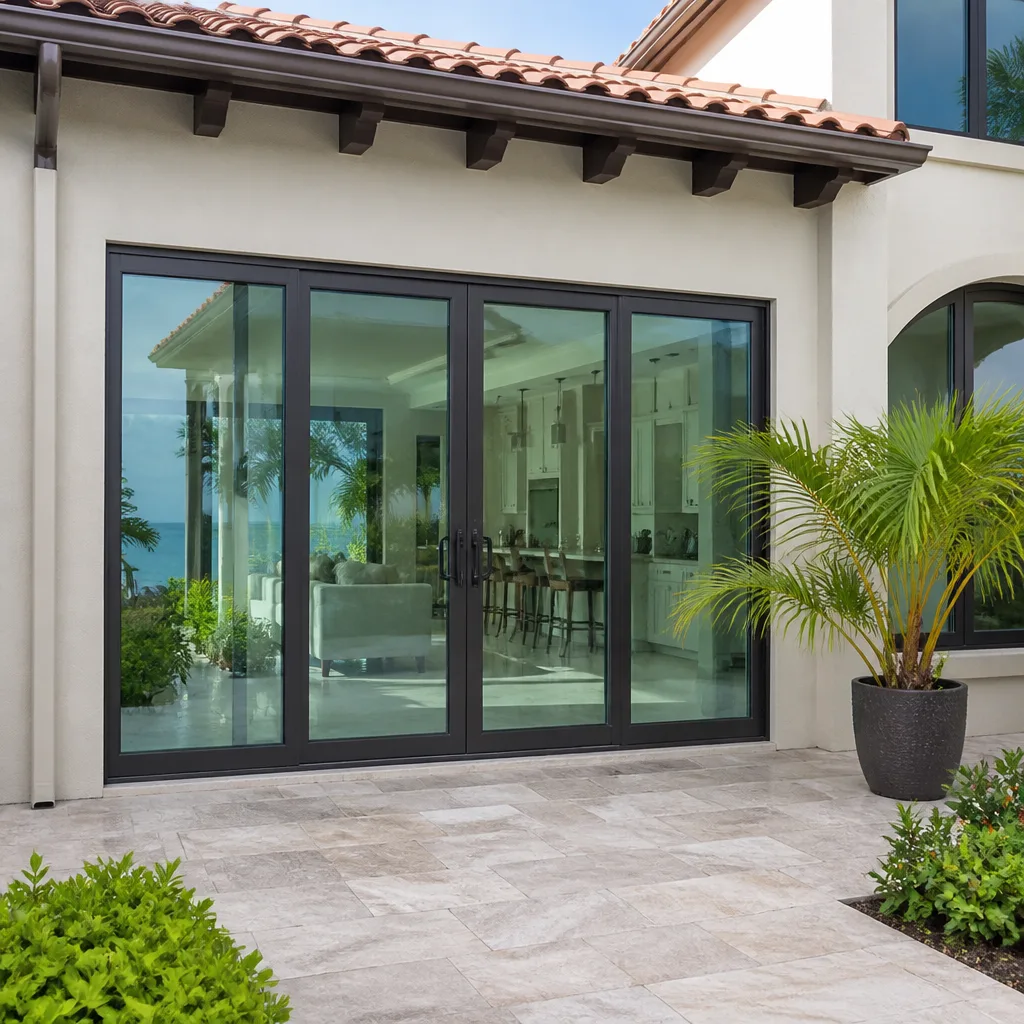
Patio sliders are the most common door project in Jacksonville, and the spread is wide. A basic vinyl slider with Low-E glass runs $1,500 to $2,800 installed. The impact-rated version, which most homeowners in Jacksonville Beach, Atlantic Beach, and Neptune Beach choose, runs $2,800 to $6,000 because the track system changes entirely with the added weight of laminated glass. The difference is not subtle: an impact slider is a fundamentally heavier piece of equipment, and the installation is a two-person job with a different approach to leveling the track. We carry slider lines from ECO Window Systems and CWS, and the first question we ask is not “Which glass package do you want?” It is “How often do you open and close this door?” A slider that operates twenty times a day for a family with kids and a dog needs a different track and hardware than a slider that mostly stays closed. That matters more to your daily life than the glass package.
French door installations follow a similar range: $2,000 to $4,000 for a standard unit, $3,500 to $7,000 for impact-rated, depending on whether the existing opening is a single door that needs widening or a true French door opening that is already the right size. Widening an opening in Jacksonville is a structural job that requires a permit, a header calculation, and often an engineer’s letter. Do not let anyone tell you it is not.
Here is a condensed reference table for door projects:
| Door Type | Standard Range (Jacksonville 2026) | Impact-Rated Range |
|---|---|---|
| Entry door (fiberglass or steel) | $1,800 – $3,500 | $2,800 – $5,500 |
| Patio slider (vinyl) | $1,500 – $2,800 | $2,800 – $6,000 |
| French doors (double) | $2,000 – $4,000 | $3,500 – $7,000 |
| Storm door (basic) | $350 – $900 | N/A |
For a deeper look at the installation process and what to expect, see Door Installation in Jacksonville.
Insurance Savings and Payback: When Impact Windows Pay for Themselves
The Jacksonville homeowner who says “impact windows are too expensive” is usually doing the math wrong. The correct math is not the upfront premium; it is the payback period. Here is a realistic example from the Jacksonville insurance landscape in 2026.
Take a 2,100-square-foot block home built in 1994 in the Southside area, insured by one of the major Florida homeowners carriers, with a current annual premium of $4,200 and a wind mitigation discount of zero because the original windows are single-pane aluminum from the Clinton administration. The homeowner gets a quote for impact-rated vinyl windows, 14 openings, at a product premium of $350 per opening over standard Low-E, so $4,900 total. After installation, the homeowner submits a new Form 1802 wind mitigation inspection showing impact-rated glazing throughout, along with the existing hurricane straps and a hip roof shape. The carrier issues a wind mitigation credit of 32% on the windstorm portion of the premium, which is about 60% of the total. The math: $4,200 premium, $2,520 windstorm portion, 32% credit equals $806 saved per year. The payback on the $4,900 window premium is six years. The windows last twenty-five. That is nineteen years of reduced premium and a stronger house.
Jacksonville sits in a different insurance zone than South Florida, but the carriers are still applying significant wind mitigation credits to homes that document impact-rated protection. The key is the documentation. The Form 1802 must be completed by a licensed inspector, and it must specifically cite the window and door product approval numbers. This is another reason to confirm the FL# on your quote: without it, the insurance credit evaporates. We remind every Jacksonville homeowner of this because it turns a window purchase from an expense into a partially self-funding investment. The product matters here too. Our impact-rated options from ES Windows, CGI, and CWS carry the approvals that trigger the credits, and we’ll provide the paperwork the inspector needs.
Common Mistakes to Avoid
- Accepting a quote that bundles everything into one “per window” number. You cannot see what you are paying for product, labor, permit, or disposal, and you cannot compare the bid to anyone else’s. In Jacksonville, where product premiums vary by $400 or more between impact lines, an opaque quote is a way to hide a markup.
- Assuming the cheapest quote is the “same work for less.” In our experience, the lowest Jacksonville bid is commonly missing one of four things: permit fees, interior trim repair, disposal, or the actual impact-rated product that was discussed in the sales call. The lower number is where the pressure to sign fast comes from.
- Pricing windows in September and expecting the January number. Jacksonville’s labor market moves with hurricane season. A quote from late summer reflects peak demand. Waiting until the off-season to get written numbers can save you real money on the same product.
- Skipping the permit because “it’s just replacement.” Jacksonville code enforcement expects permits on window and door replacements. Unpermitted work becomes a disclosure problem when you sell the house. The permit also creates an inspection record that verifies the work was done to code.
- Choosing a product before understanding the insurance angle. Standard Low-E windows meet code in parts of Jacksonville, but impact-rated units may cut your wind insurance premium by enough to change the payback math entirely. Talk to your carrier before you sign.
- Not asking who actually installs the work. In Jacksonville, there is a real difference between a contractor with background-checked, uniformed installers who work under the company’s name and a company that subcontracts to whoever is available that week. Ask. The answer matters more than the glass package, because a good window installed badly is a bad window.
When to Call a Professional
Window and door installation is not a weekend project in Jacksonville, and the reasons go beyond the tools. Florida code compliance, impact-rating verification, and the insurance paperwork that follows a proper install all require professional knowledge. You should call a pro if: the existing opening shows water staining or soft wood around the frame; the home is in a wind-borne debris zone and the new units must meet impact standards; the current window is not the same size as the replacement and the opening needs modification; or the property is in a historic district with elevation and material restrictions. A botched window installation in Jacksonville’s humid, storm-prone climate is not a cosmetic problem. It is a water intrusion problem, a mold problem, and an insurance problem. Lightwell Windows Jacksonville home gives you the full story on how we approach this work. We offer free estimates throughout Jacksonville, and we will put the price in writing before any work starts. Call (904) 914-3691 to schedule yours.
Frequently Asked Questions
A standard vinyl window replacement in Jacksonville runs $600 to $1,400 per opening including product, installation, permit, and disposal, while impact-rated units run $900 to $2,100 per opening. A whole house with 12 to 15 windows typically lands between $9,000 and $22,000. The exact number depends on frame material, glass package, and whether the openings need trim repair. Call (904) 914-3691 for a free, written estimate specific to your home.
Not everywhere in Jacksonville, but many homes near the coast or in wind-borne debris zones do require impact-rated or otherwise code-approved glazing. Even where not required, the insurance premium reduction often makes the upgrade worth it. Check with your carrier and ask your installer for the FL# approval number on any product quoted.
The lower quote is most likely missing scope: a permit, interior trim work, disposal fees, or the actual product that was discussed. In Jacksonville’s competitive market, thin bids are a sales tactic, not a bargain. Ask the cheaper contractor to itemize product, labor, permit, trim, and haul-away. If they hesitate, you have your answer.
It should not, if the quote was written properly. Rotted framing or hidden sill damage discovered once the old window is out is the only legitimate reason for an adjustment, and that should be discussed in the contract language before work begins. A written price before any work starts is our standing rule for exactly this reason. We hold every quote to the number on the page unless we show you the problem in the opening and get your approval first.
Most standard replacements take one to two days of on-site work. A full house with 15 openings is often completed in three to five working days, depending on trim condition and access. Impact-rated installations take slightly longer per opening because of the extra anchoring and sealing steps. We will give you a day-by-day schedule in the quote.
Yes. The city of Jacksonville requires permits for window and door replacement when the opening is altered. The permit fee should appear on your quote as a pass-through line item, and a final inspection should be scheduled after the work is done. We handle the permit and the inspection for every job, and everything is itemized on the written estimate you see before signing.
The Bottom Line
Jacksonville window and door pricing in 2026 is not a mystery. It is a set of line items, and every one of them can be named: product cost per opening, installation labor, permit fee, trim allowance, disposal, and tax. The homeowners who get accurate numbers are the ones who ask for those line items and verify the FL# approval, the labor rate, and the permit pass-through before signing. Storm-season demand moves the market, but a written quote locks your number. Impact ratings cost more up front and often pay back through insurance credits within five to seven years. A light well is what brings daylight deep into a building, and that is exactly what a well-installed window should do for your Jacksonville home. For more guides & resources on windows, doors, and coastal home improvement, explore our blog. We put every price in writing, we show up with background-checked crews who respect your floors and your family, and we make it right if it is not. Call (904) 914-3691 for your free estimate.
Written by Keith Yamada, Owner at Lightwell Windows Jacksonville, serving Jacksonville since 2010.
See the difference
 Before
 After
After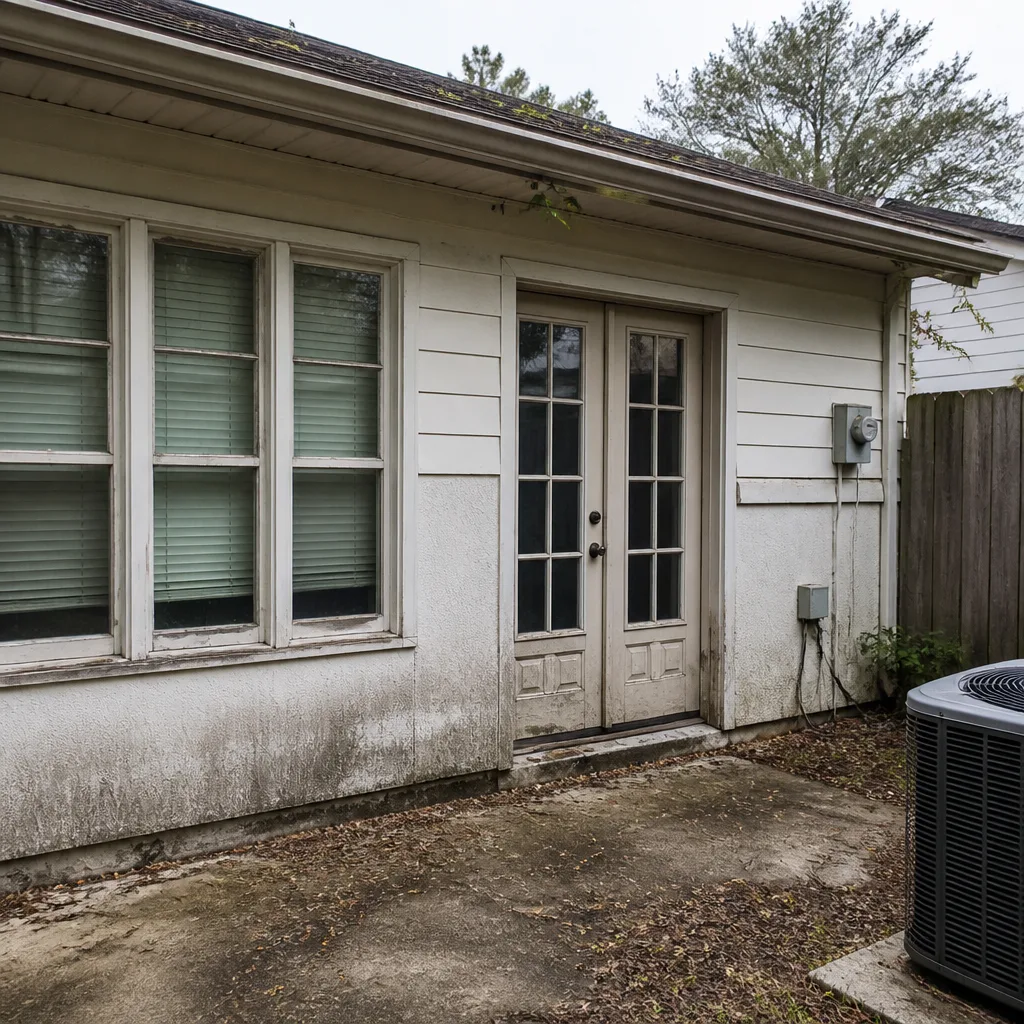 Before
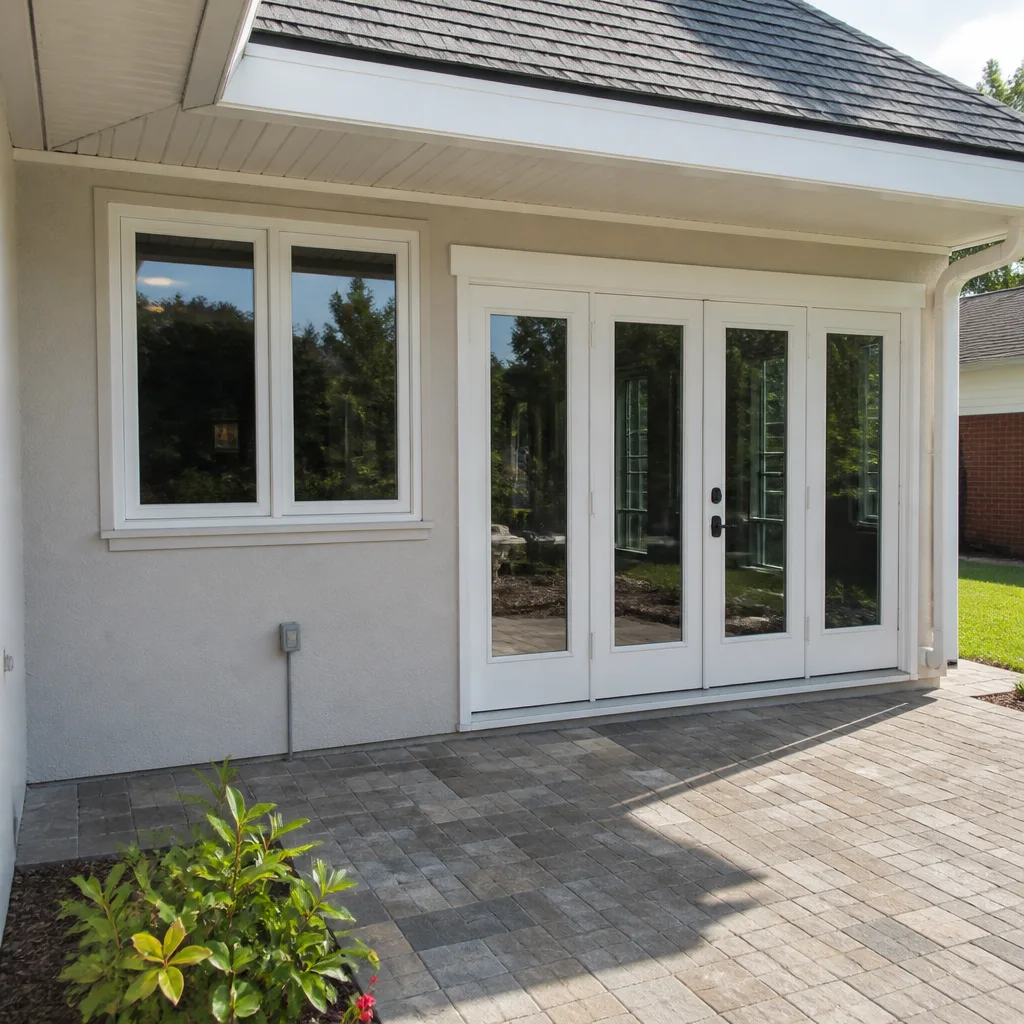 After
After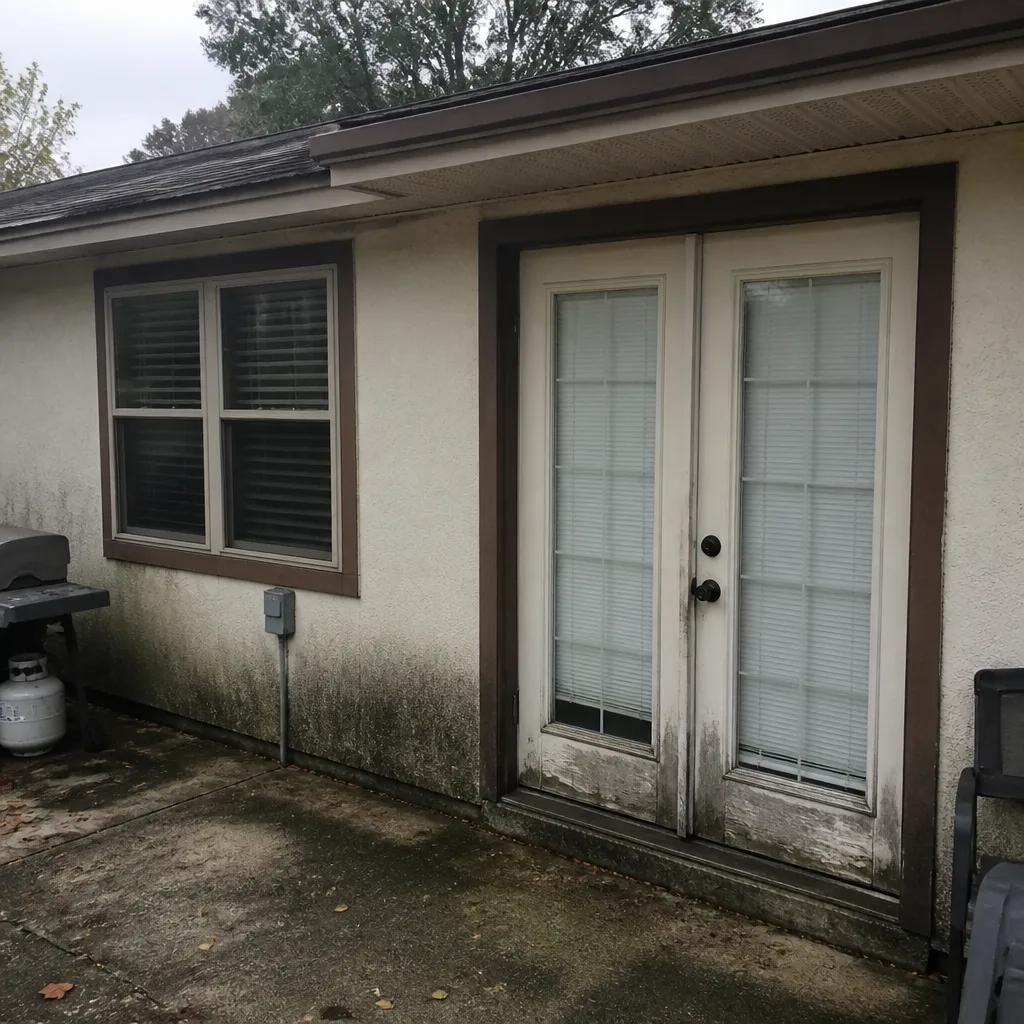 Before
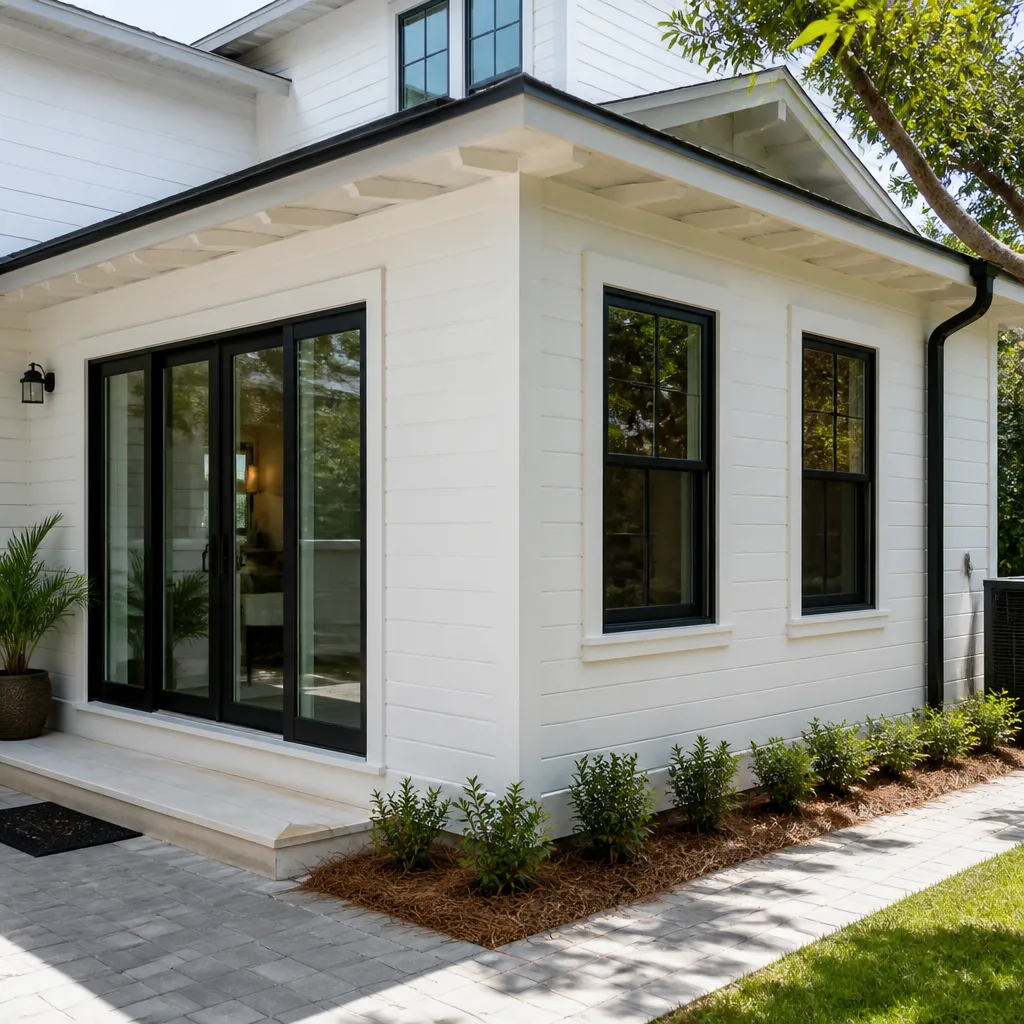 After
AfterSix Reasons Homeowners Choose Lightwell Windows Jacksonville
Impact systems engineered to design pressures up to +/-100, matched to your wind zone - your openings hold when the storm arrives.
Low-E insulated impact glass from our manufacturer lines commonly cuts monthly cooling bills 20-30%.
Laminated impact glass shuts out up to 40% of outside noise - traffic, neighbors, weather.
Monitoring services run $30-90 a month. Laminated impact glass resists forced entry around the clock, with no subscription.
Florida homeowners average around 25% savings on the windstorm portion of their policy after protecting every opening - some homes qualify for more.
A full impact package upgrades curb appeal, buyer confidence and appraised value in one project.