
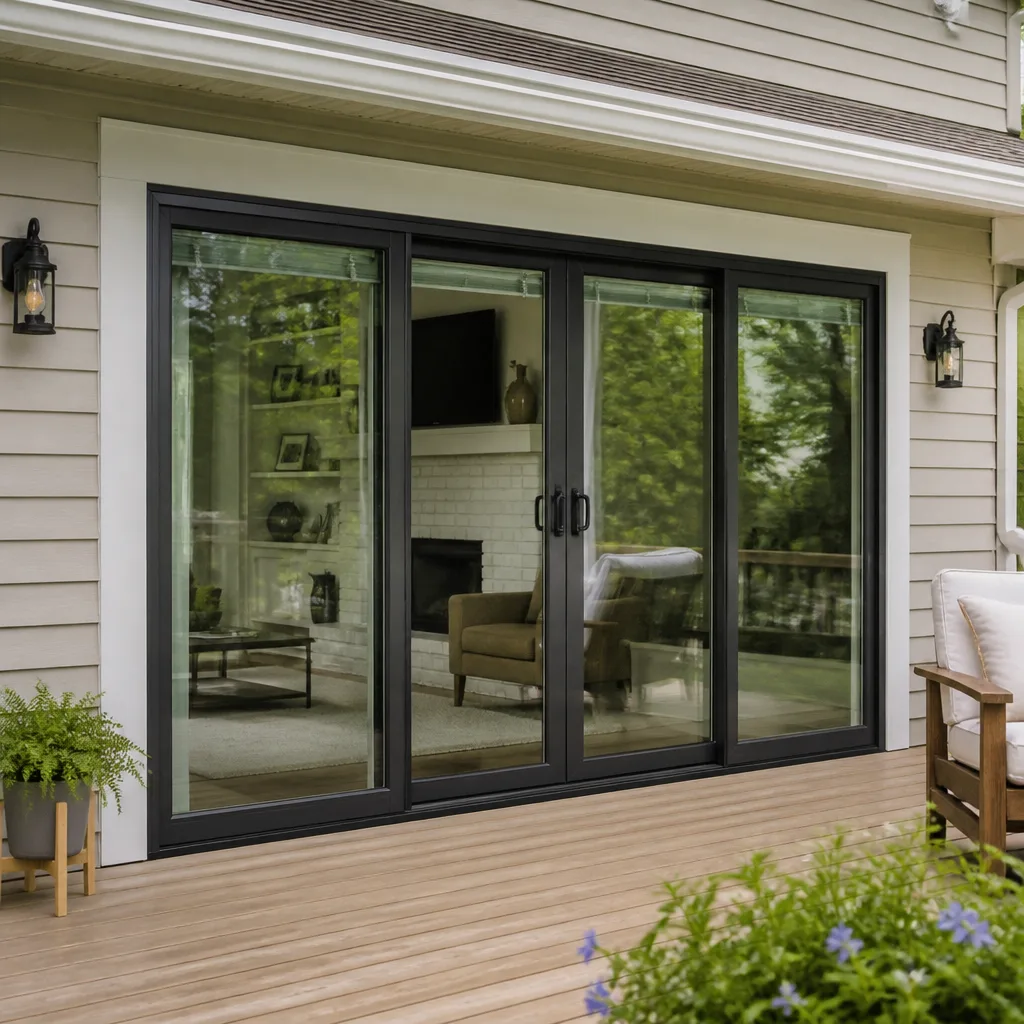
 Sliding glass doors
 Single hung
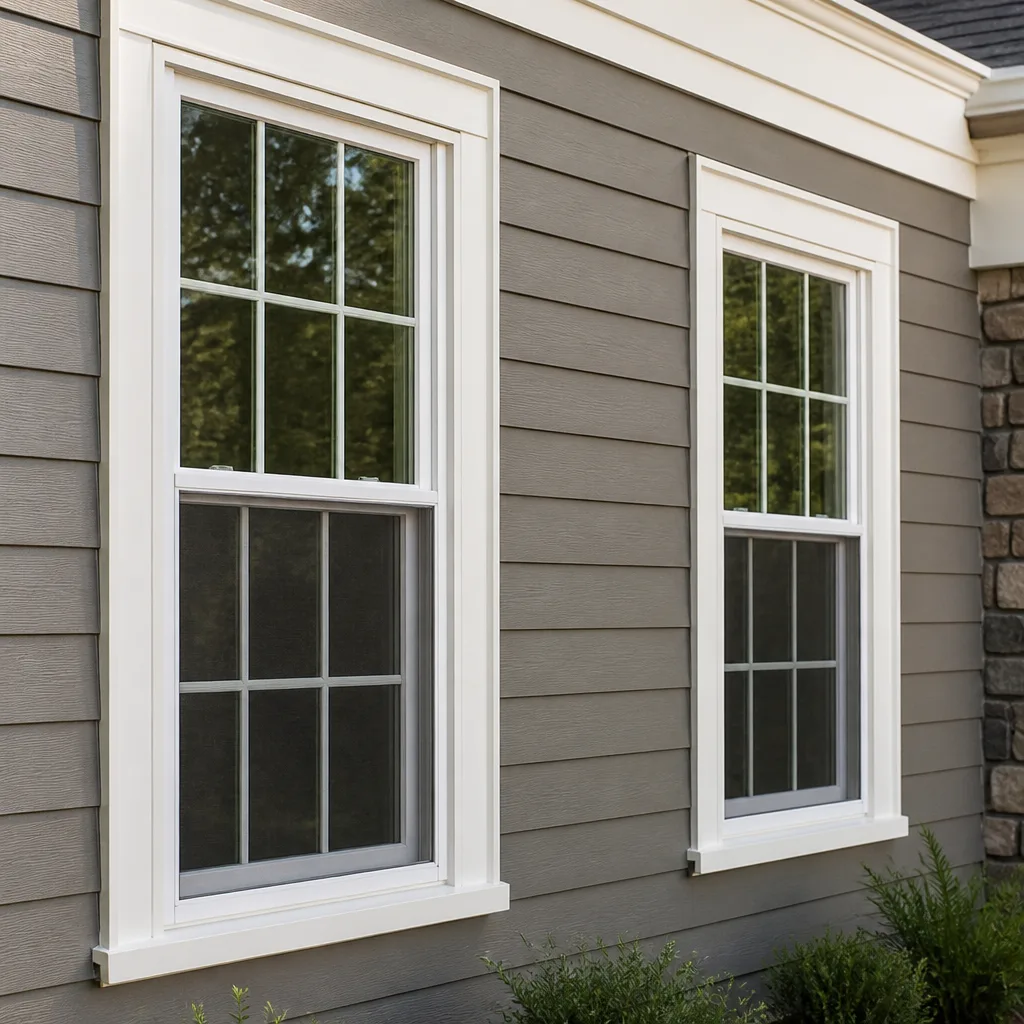 Double hung
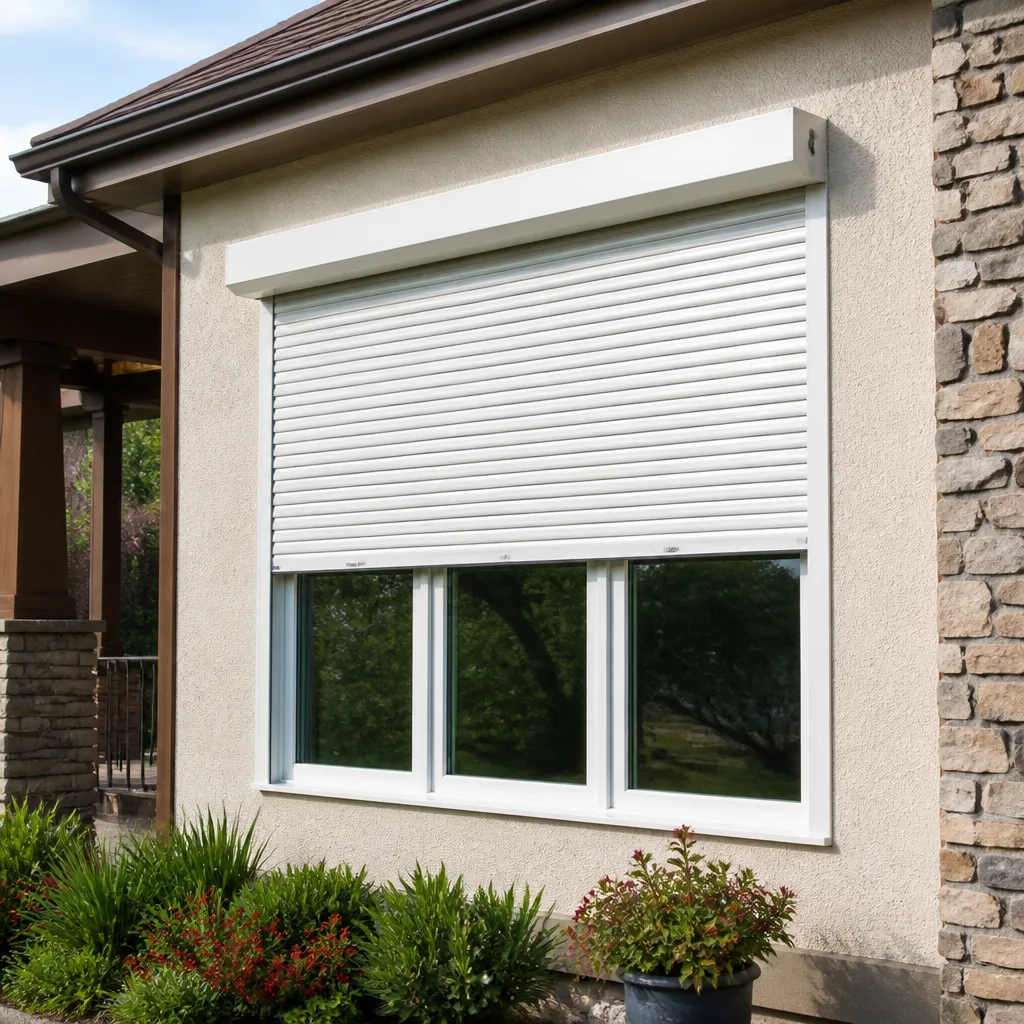 Horizontal roller
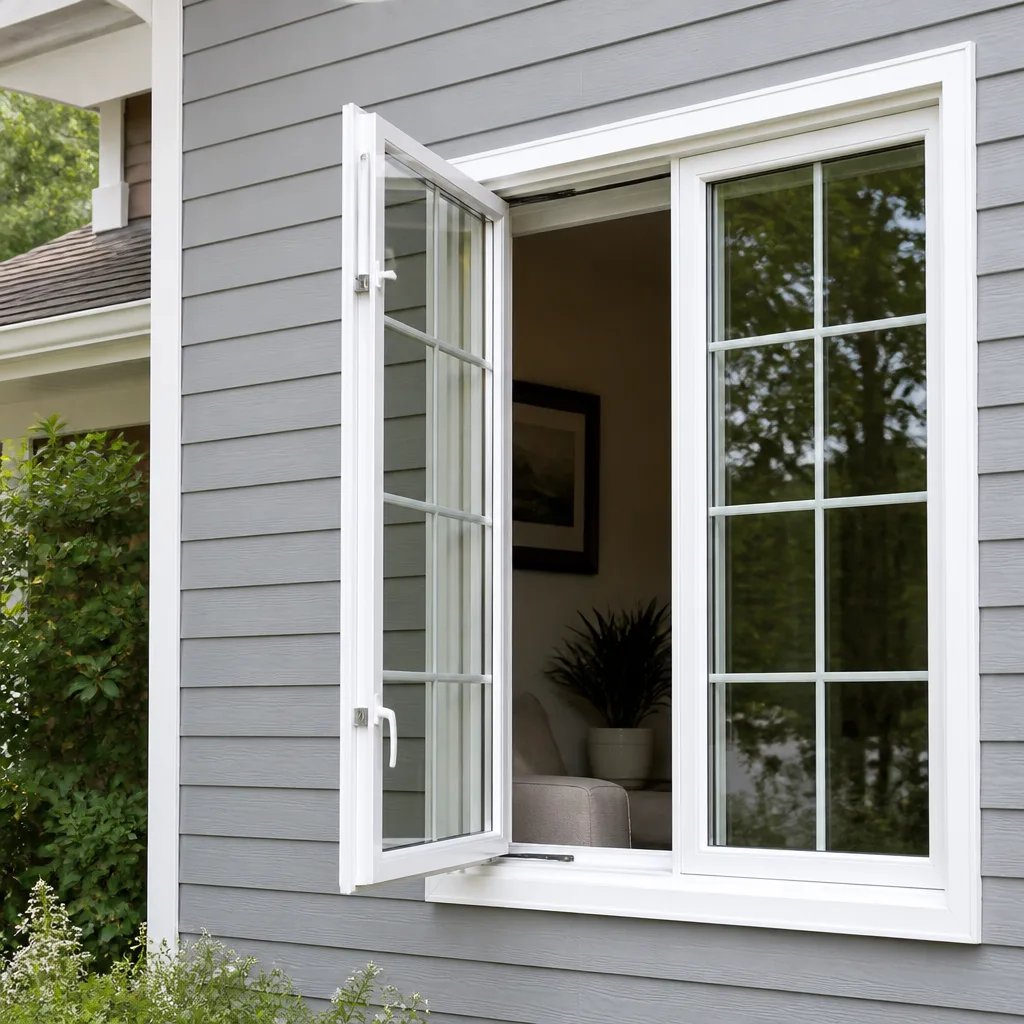 Casement
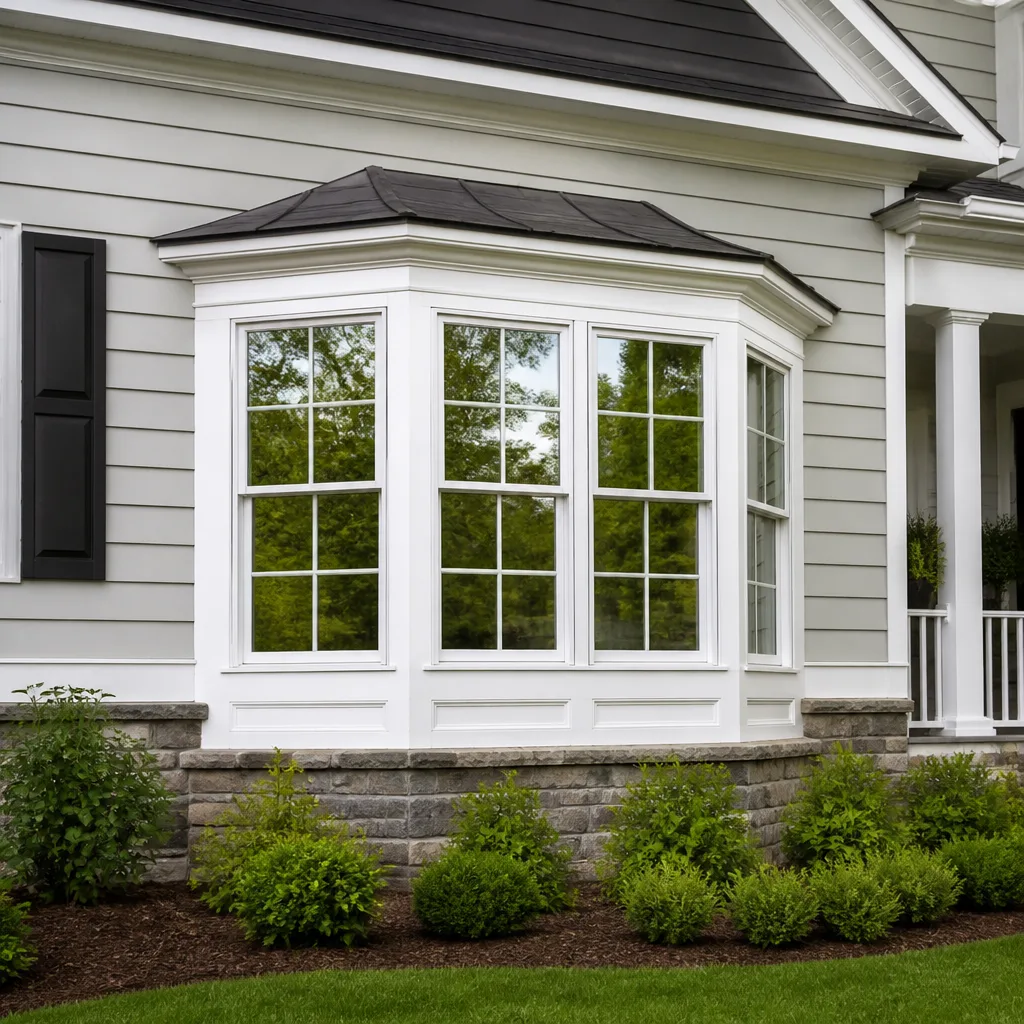 Bay & bow
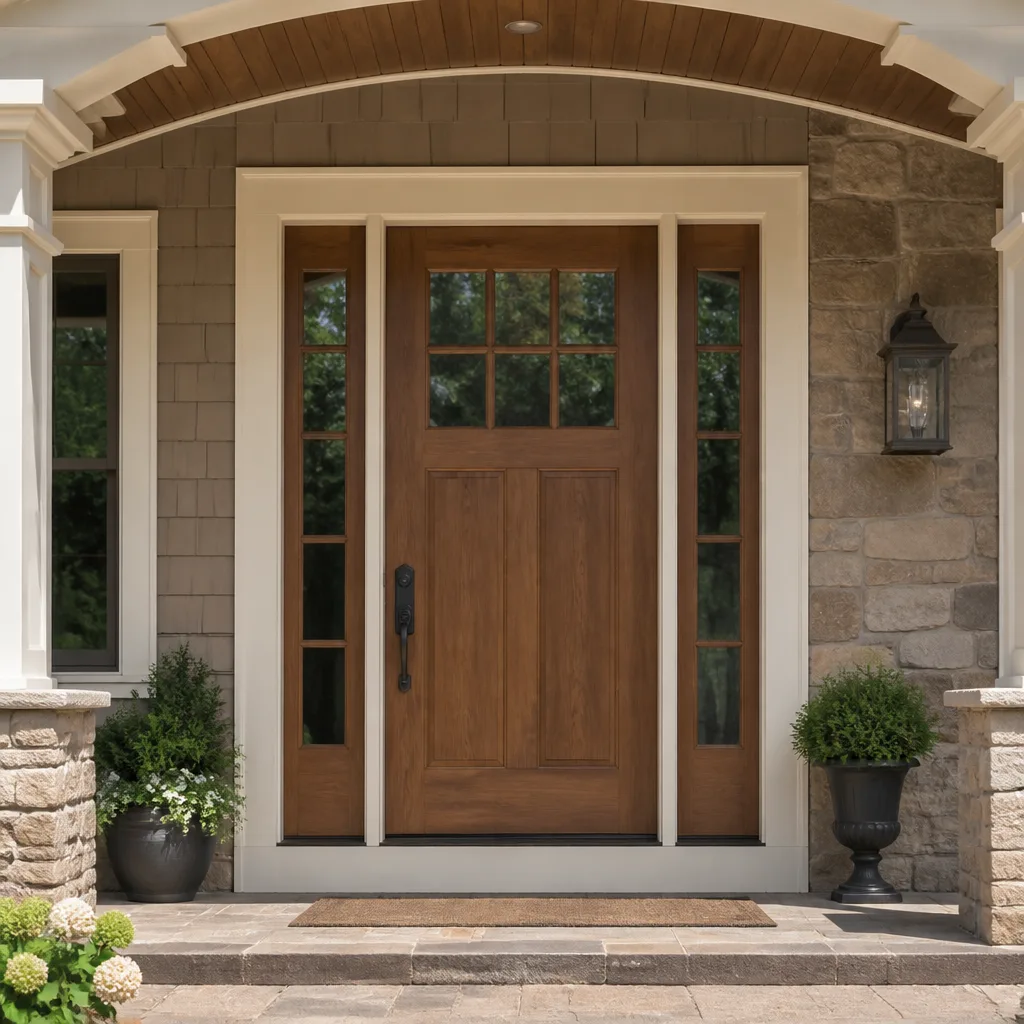 Entry doors
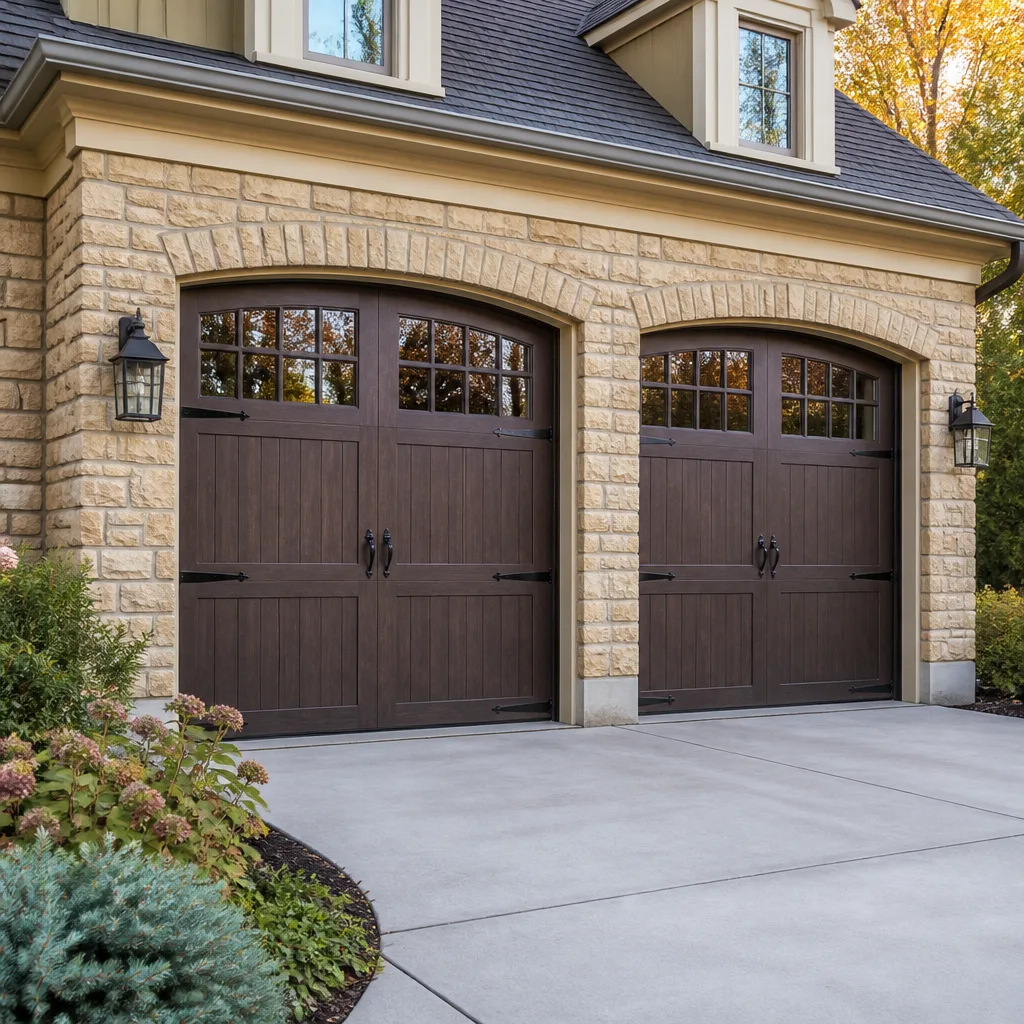 Impact garage doors
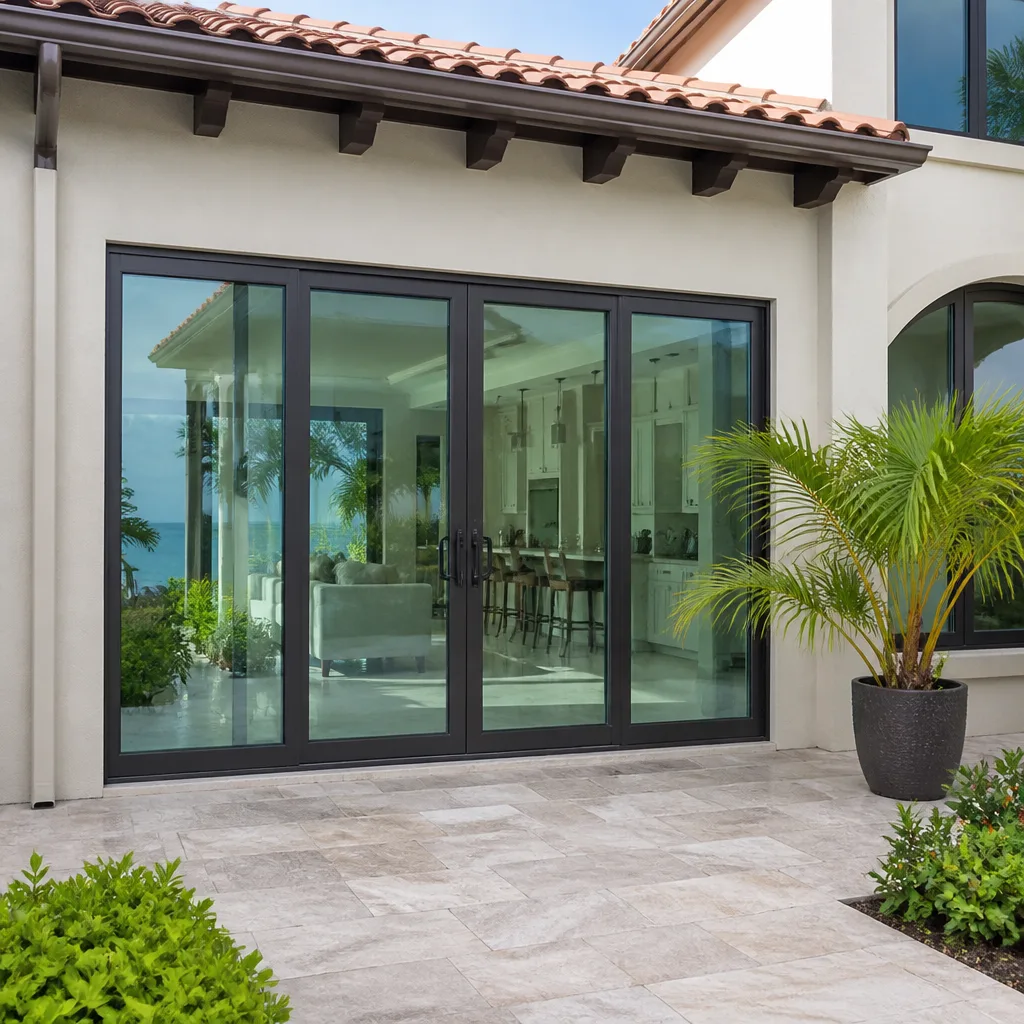 PGT
PGT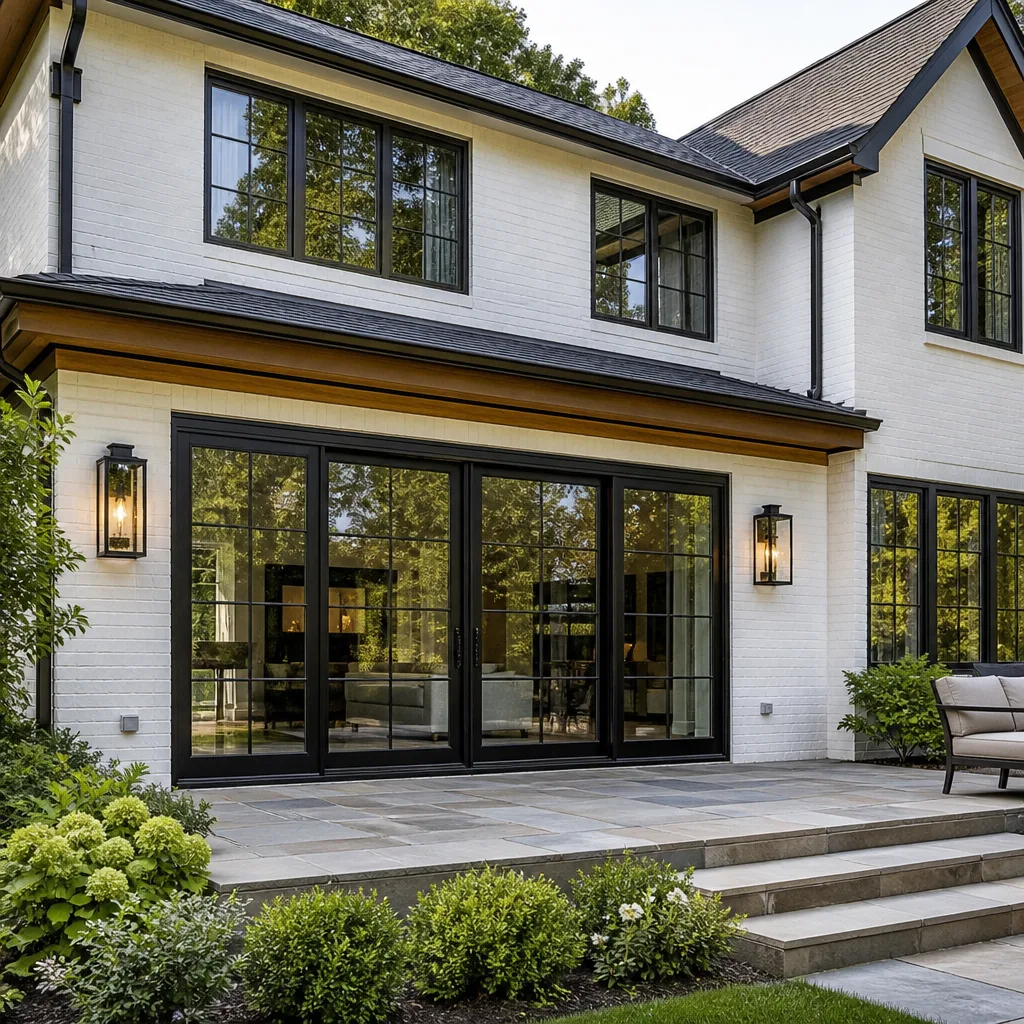 CGI
CGIFree in-home measure and quote - PGT, CGI and CWS impact lines compared on your actual openings, style by style
Get your free estimateCGI Sliding & Patio Doors: The Jacksonville Owner’s Guide
We stock and install CGI-compatible sliding and patio door parts across Jacksonville, with most hardware swaps and roller replacements running between $180 and $420 installed, and full door replacements typically falling between $2,400 and $5,800 depending on size, glass package, and frame condition. Most CGI sliding door part failures can be diagnosed and repaired the same week, and we carry the common wear items on our trucks so you’re not waiting on a backorder. The part usually announces itself with a quiet change first: the door drags a little, or you hear a grit-and-grind sound that wasn’t there last month, or the lock doesn’t bite quite the way it used to. What starts as a shoulder-shrug annoyance turns into a door that won’t lock, won’t glide, or won’t seal against the summer humidity that sits over Jacksonville like a wet blanket from June through September.
More light in, less worry out. That’s the whole job, and it’s what Keith Yamada tells every homeowner who calls about a CGI door that’s no longer doing its job.
Which CGI Models This Applies To
CGI’s sliding and patio door lines share a lot of DNA, but they are not interchangeable across every series. Here’s what we see most often in Jacksonville homes and what you need to know before ordering a part.
CGI’s current sliding door lines include the Estate Collection, the Tuscany Series, and the Classic Series. Older homes along the St. Johns River and in neighborhoods like San Marco, Riverside, and Avondale often have first-generation CGI doors from the 1990s and early 2000s, and those use different roller assemblies and lock hardware than what CGI ships today. The compatibility gotcha: a roller that fits a 2008 Tuscany door will not seat correctly in a 2018 Estate frame, even if both doors are “CGI sliding doors” and both measure 80.5 inches tall. The track profile changed.
How to identify what you have: look at the inside edge of the door panel, near the top corner on the lock stile. CGI stamps a product label there with the series name, glass make-up, and a manufacturing date code. Take a photo of it with your phone before calling anyone. If the label is faded or painted over, measure the thickness of the door panel itself. CGI’s newer impact-rated sliding doors run 1.75 inches thick, while the older non-impact or early-impact models measure 1.5 inches. That quarter-inch tells us which hardware family we’re working with.
On the OEM-versus-aftermarket question, we’re direct about the tradeoff. CGI’s OEM rollers and lock sets are engineered to match the track geometry exactly, and aftermarket parts, even well-made ones from reputable suppliers, sometimes have bearing tolerances that wear faster or latch posts that sit a hair out of alignment. For track rollers and lock hardware, we recommend OEM CGI parts. For items like weatherstripping, sweep seals, and handle sets, there are quality aftermarket options that perform as well and cost 20 to 30 percent less. We’ll walk you through the decision on the phone, part number by part number, before anything is ordered.
Styles & brands we work with
Signs Your CGI Sliding Door Is Failing
- The door drags or catches mid-track. This is almost always a worn roller bearing or a roller housing that has flattened from years of weight and Florida humidity. You’ll feel it as a hitch in the glide, usually about two-thirds of the way open. The fix is roller replacement, not track lubrication, which only masks the problem for a week or two.
- The lock lever goes up but the door still rattles open a fraction. CGI’s multi-point locks have a hook bolt that should seat into the jamb. When that hook wears or the strike plate shifts even an eighth of an inch, the door won’t hold flush. In a Jacksonville storm season, a door that won’t lock flush is a door that won’t seal, and a door that won’t seal lets wind-driven rain find its way in.
- You can see daylight or feel air at the meeting stile corners. The interlock weatherstripping on the two panels has compressed or torn. This matters more in Jacksonville than it does up north because our humidity doesn’t just make the house uncomfortable; it drives your AC to work harder against air that’s already damp. Replacing the wool pile or vinyl fin seals closes that gap.
- The handle feels sloppy or the inside pull popped loose. CGI handle sets attach with set screws that back out over thousands of open-close cycles. If the handle wobbles, the set screws are stripping or the spindle is rounding. Tightening only buys time. At some point the spindle spins free and you’re locked out of your own patio.
- Water stains on the interior floor near the track corners. This is the one that makes us stop and look closer. Water staining near the door corners can be a failed drain system in the track, but it can also mean the frame’s seal to the rough opening has cracked and water is wicking inside the wall. We treat this symptom differently than a mechanical rattle, and we’ll probe the track weep holes and the exterior perimeter seal before quoting a repair.
See the difference
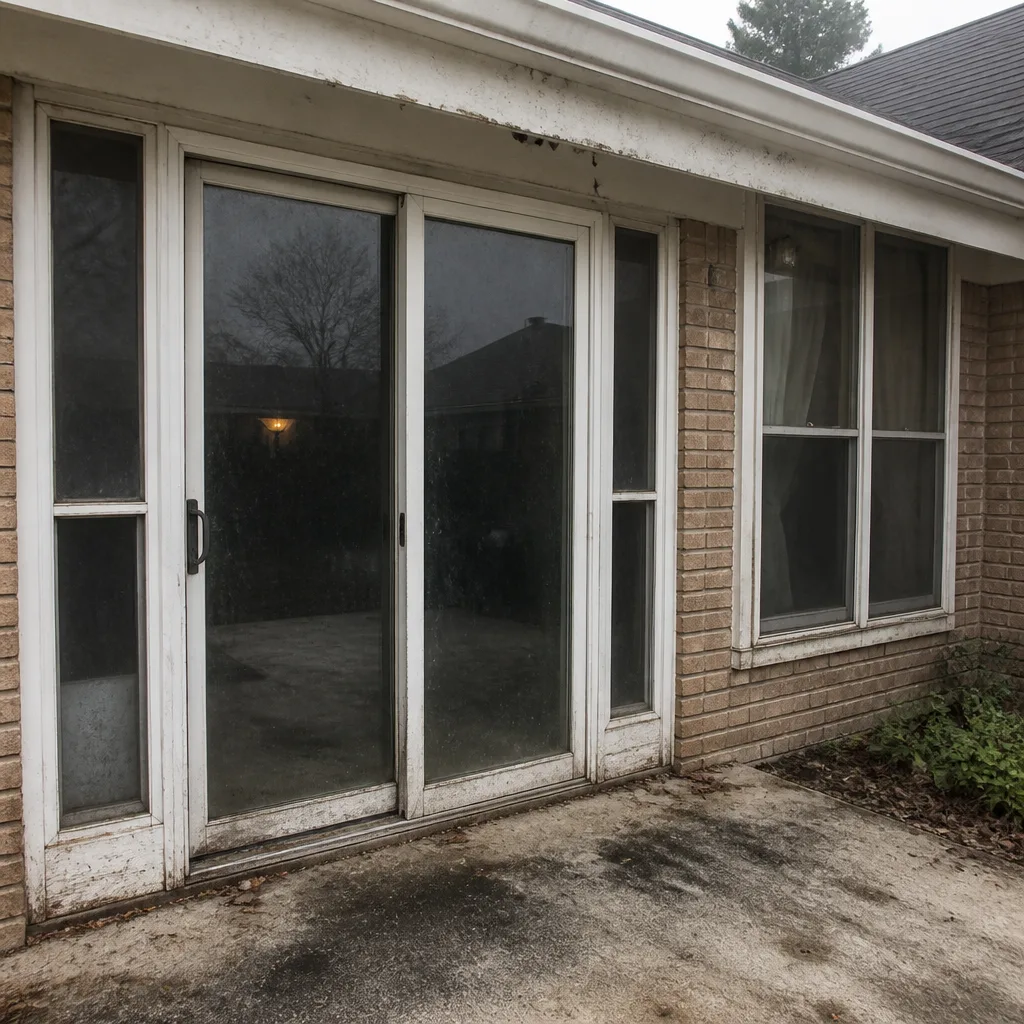 Before
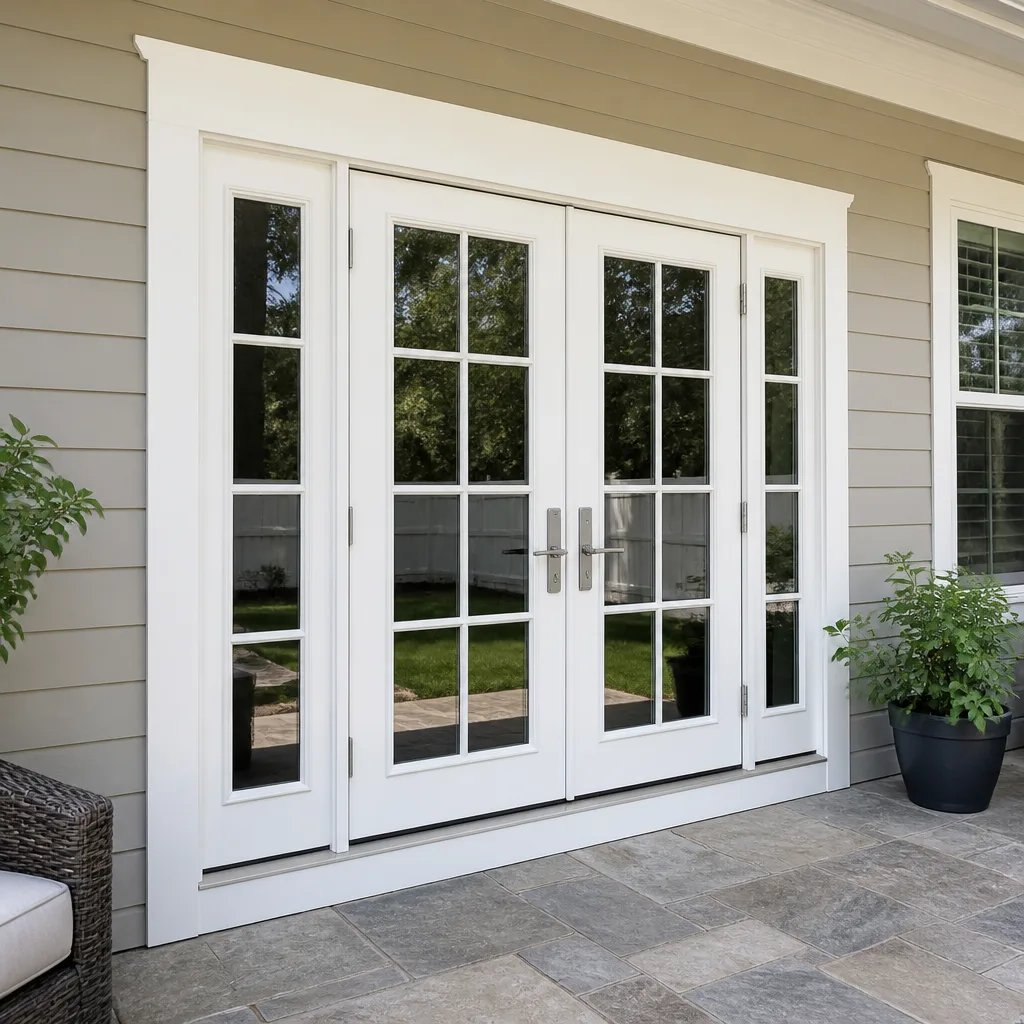 After
After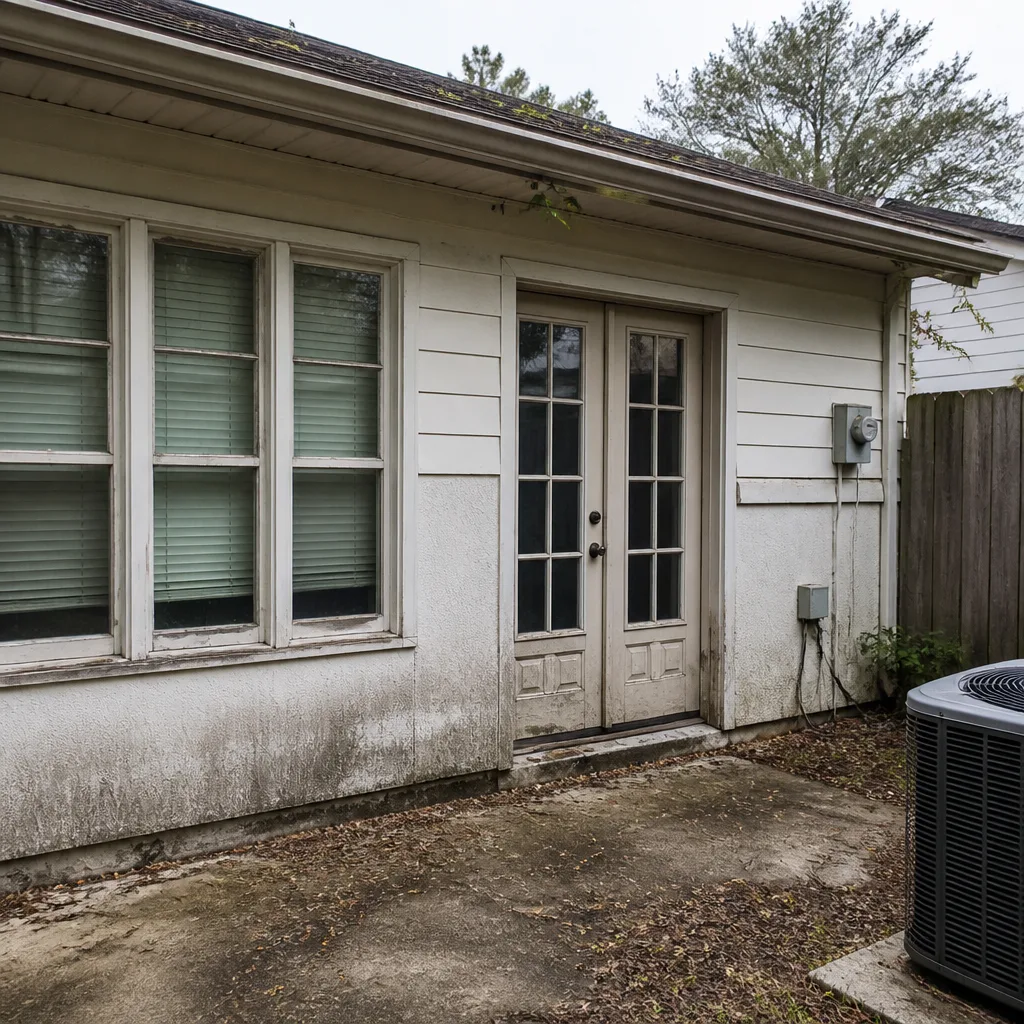 Before
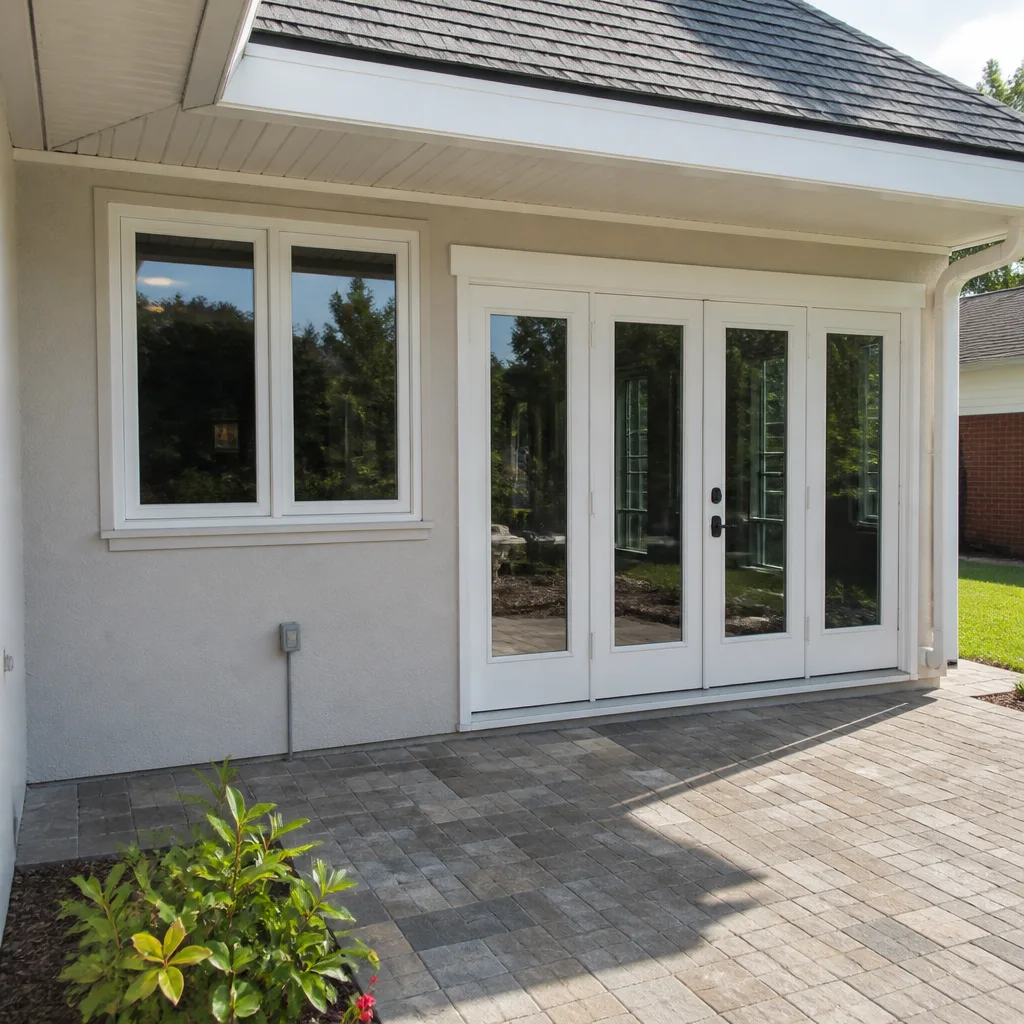 After
After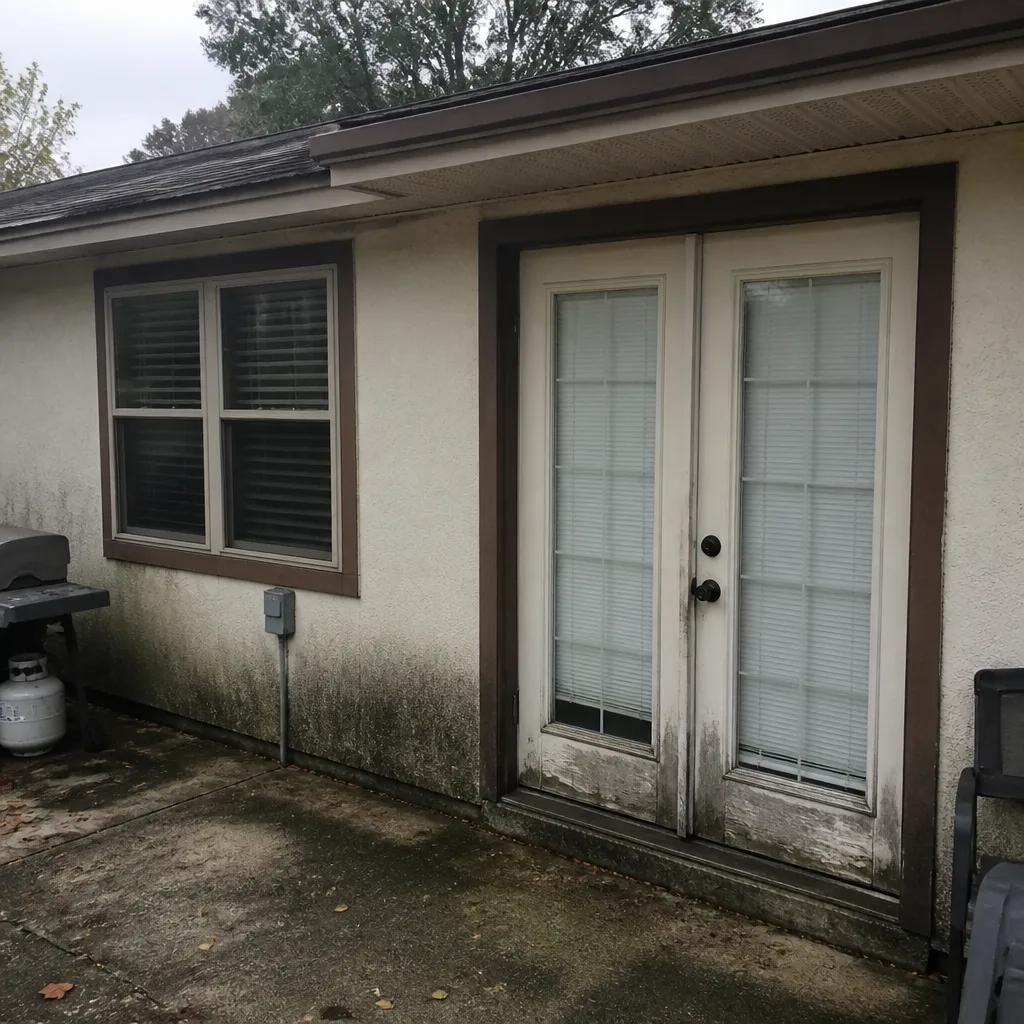 Before
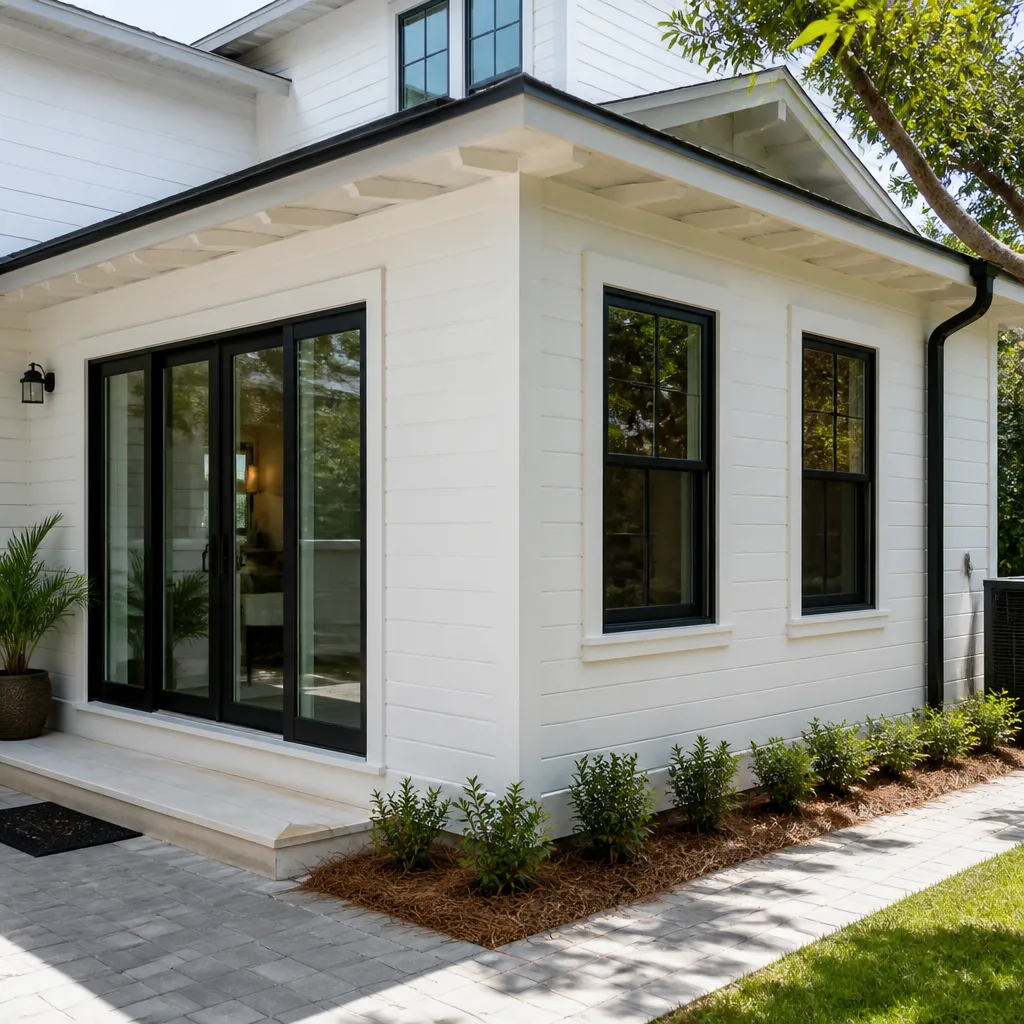 After
AfterReplacement Cost & What’s Included
In Jacksonville, here’s what we’re seeing on CGI sliding and patio door work in 2026, and these are real numbers we write on estimates every week.
- Roller replacement (both panels): $180 – $320 installed. Includes new OEM or spec-matched rollers, track cleaning, and glide adjustment.
- Lock and handle set replacement: $140 – $340 installed. Includes the full exterior handle, interior pull, lock cylinder re-key or replacement, and strike plate adjustment.
- Weatherstripping and seal replacement (interlock, sweep, and frame seals): $120 – $260 depending on door width and whether the frame seals need full removal.
- Full CGI sliding door replacement (impact-rated, standard 72″x80″ two-panel): $2,400 – $5,800 installed, with the spread driven by glass package, frame finish, and whether the existing rough opening needs repair work from moisture or settling.
Every line item is written on the estimate before any work starts. That’s not a courtesy; it’s how we operate. When Keith Yamada learned the trade in Los Angeles and later at Los Angeles Trade-Technical College studying glazing systems and door hardware, the instructors drilled one habit into everyone: measure twice, explain every line item, and never hand a homeowner a number they didn’t already see on paper. That habit hasn’t left. If we find rot or a bowed sill during the job, we stop, take photos, and call you before we touch anything else. The price doesn’t move without a conversation.
All parts and labor are covered by our 365-Day Done Right Promise. If the door doesn’t glide or seal the way it should within that year, we come back and make it right. No debate, no countdown.
DIY or Call Us?
Let’s be honest about what a homeowner can safely do here, because we’d rather you spend fifteen minutes checking than spend money on a service call that turns out to be a three-cent fix.
Safe to check yourself: pull the door panel and look at the bottom rollers. If they’re visibly flattened or cracked, you’ve found the problem, and that’s a job for us because pulling a 150-pound glass panel off its track without the right lifting technique and a second set of hands is how shoulders get injured and glass gets cracked. You can clean the track with a vacuum and a dry cloth. You can check the weatherstripping. You can tighten a loose handle set screw. But anything involving the roller assemblies, the multi-point lock mechanism, or removing a panel from the frame should be handled by someone who does this every week.
One thing we will say plainly, because it’s true: CGI doors are impact-rated, and that means the glass is heavy. A two-panel sliding door can weigh 180 to 250 pounds per panel depending on glass package. That’s not a project to muscle through alone on a Saturday morning. It’s a call to (904) 914-3691, and a real person will answer, hear what the door is doing, and tell you honestly whether this is a same-week fix or something to plan for.
FAQs
In Jacksonville’s humidity and salt air, factory CGI rollers typically last 10 to 15 years before the bearings wear enough to affect the glide, with homes closer to the Intracoastal or the St. Johns River seeing the shorter end of that range because the airborne salt accelerates corrosion on the steel bearing surfaces. We’ve replaced rollers on 2012-era CGI doors in Atlantic Beach that were already grinding, while the same parts on a 2009 door in Mandarin were still serviceable. The environment matters more than the age. Call (904) 914-3691 if your door is dragging, and we’ll tell you what we think before we ever schedule a visit.
Yes, in most cases the individual components can be replaced, and that’s usually the smarter first move. We repair eight or nine broken CGI sliding doors for every one we replace with a full new unit, because the frames and glass on these doors are built to survive hurricane-force wind events and the failure is almost always in the hardware, the seals, or the track. A full replacement only makes sense when the frame itself has moisture damage, the glass is cracked or fogged, or the door is a pre-2000 model without impact certification and you want protection the old unit never had.
Most roller, lock, and weatherstripping jobs on CGI sliding doors are done in 90 minutes to three hours, start to finish, with the common factor being whether the track needs deep cleaning or the frame seals need full removal. A full door replacement is a one-day job in most Jacksonville homes, unless we open the wall and find hidden rot that nobody could see from the outside.
We carry the most common CGI sliding door wear parts on our trucks, including rollers for the Estate, Tuscany, and Classic series, multi-point lock assemblies, handle sets, and weatherstripping profiles. Less common parts, like specific impact-rated glass packages or custom frame finishes, are ordered from CGI or a vetted supplier and typically arrive within one to two weeks in Jacksonville. We also stock compatible parts for PGT, CWS, and ES Windows doors, since many Florida homes have a mix of brands, especially after hurricane seasons where multiple openings got replaced at different times.
If your CGI sliding door is dragging, rattling, or not locking flush, call (904) 914-3691. We’ll ask a few questions about what the door is doing, look at the photos you text over, and give you a straight answer about what it will cost to fix. Estimates are free, and every price goes in writing before any work starts.
Written by Keith Yamada, Owner, Lightwell Windows Jacksonville at Lightwell Windows Jacksonville, serving Jacksonville and nearby areas.
Six Reasons Homeowners Choose Lightwell Windows Jacksonville
Impact systems engineered to design pressures up to +/-100, matched to your wind zone - your openings hold when the storm arrives.
Low-E insulated impact glass from our manufacturer lines commonly cuts monthly cooling bills 20-30%.
Laminated impact glass shuts out up to 40% of outside noise - traffic, neighbors, weather.
Monitoring services run $30-90 a month. Laminated impact glass resists forced entry around the clock, with no subscription.
Florida homeowners average around 25% savings on the windstorm portion of their policy after protecting every opening - some homes qualify for more.
A full impact package upgrades curb appeal, buyer confidence and appraised value in one project.