
Last updated October 17, 2026
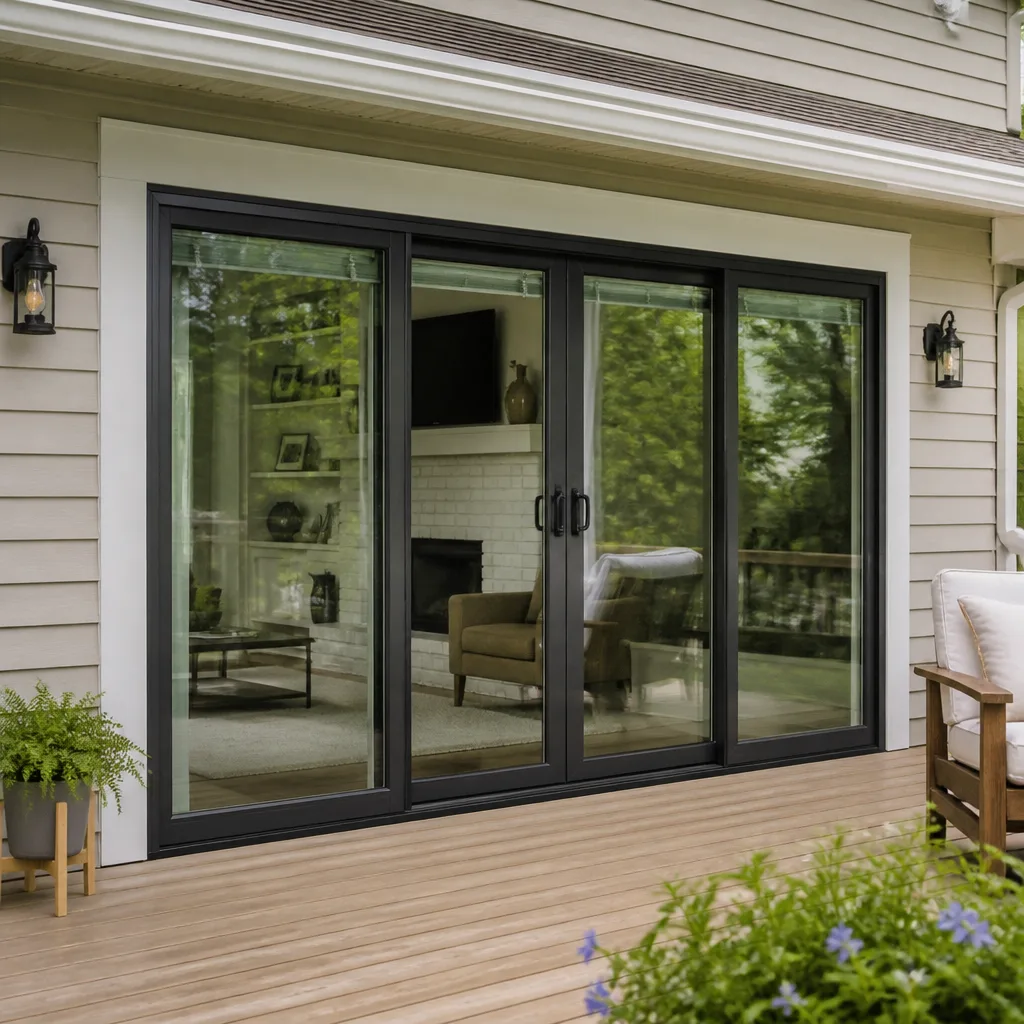 Sliding glass doors
 Single hung
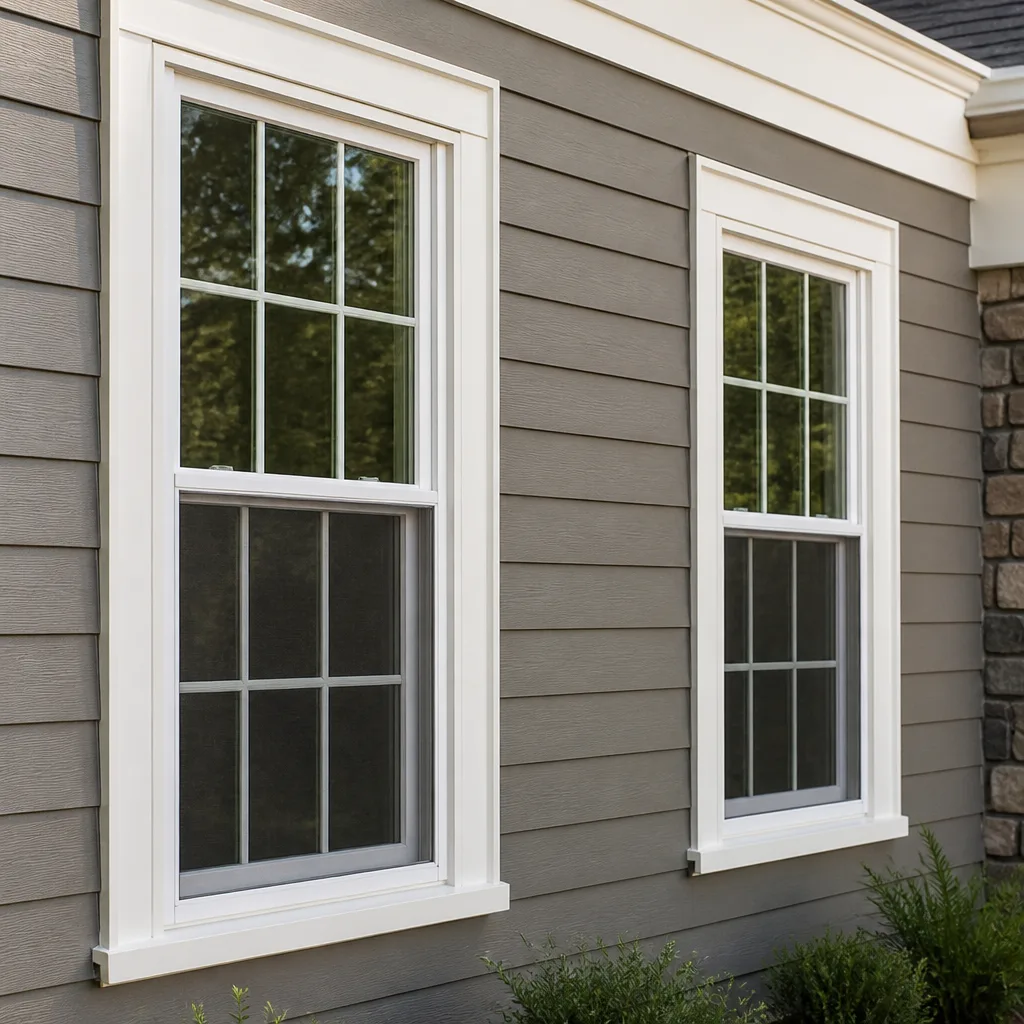 Double hung
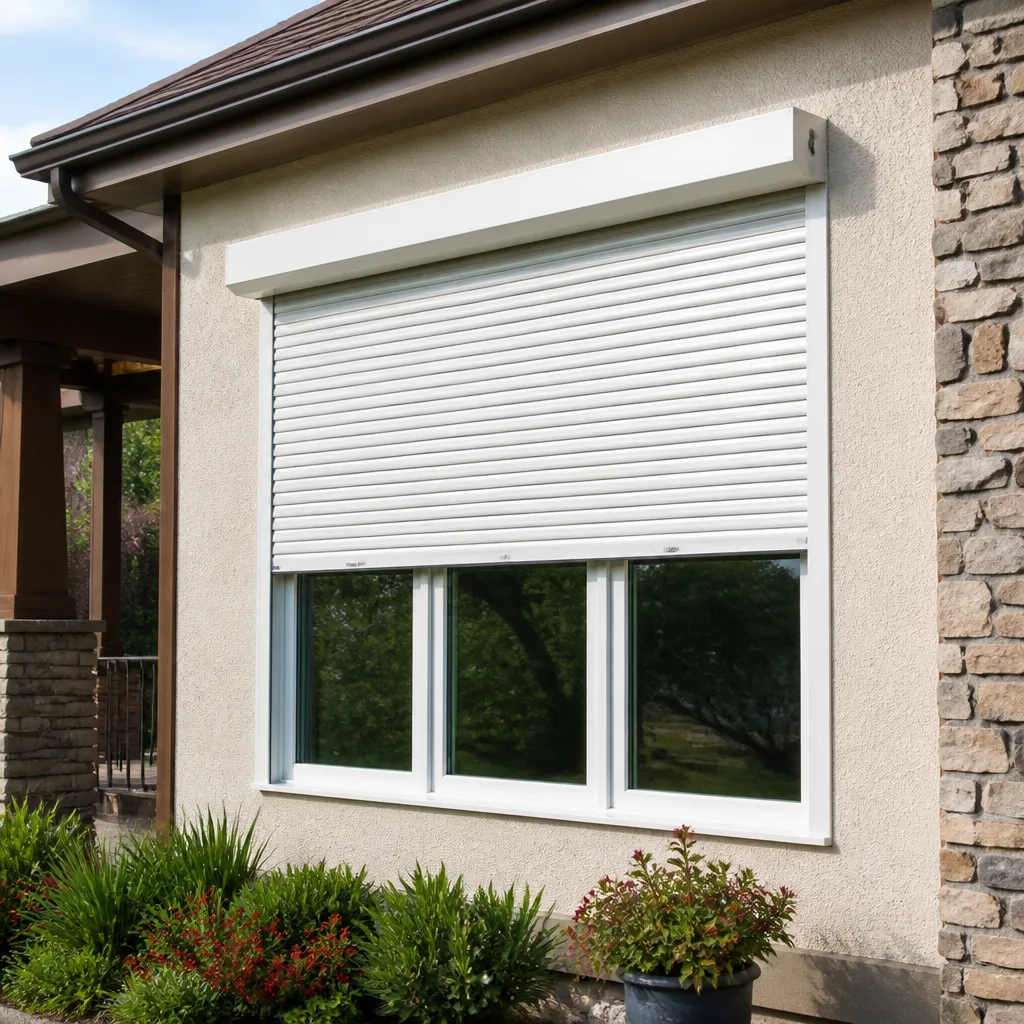 Horizontal roller
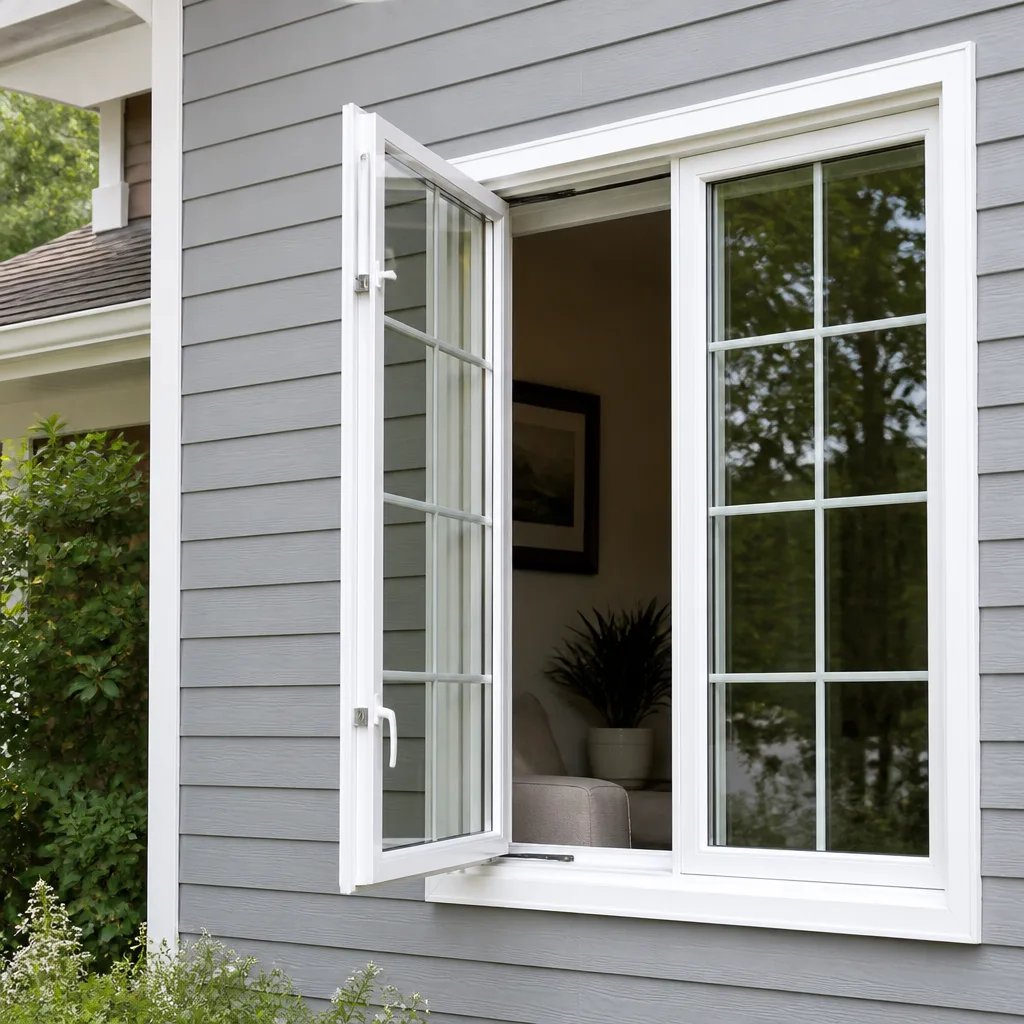 Casement
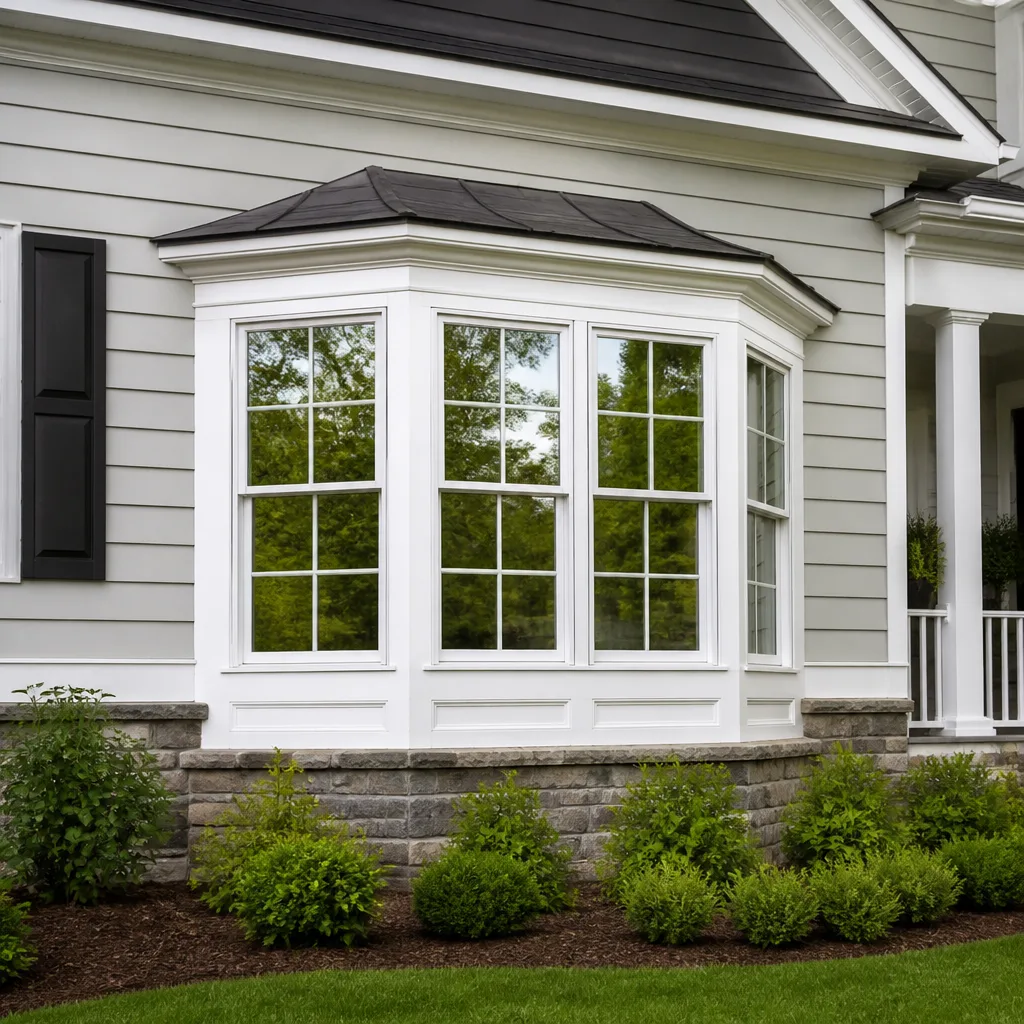 Bay & bow
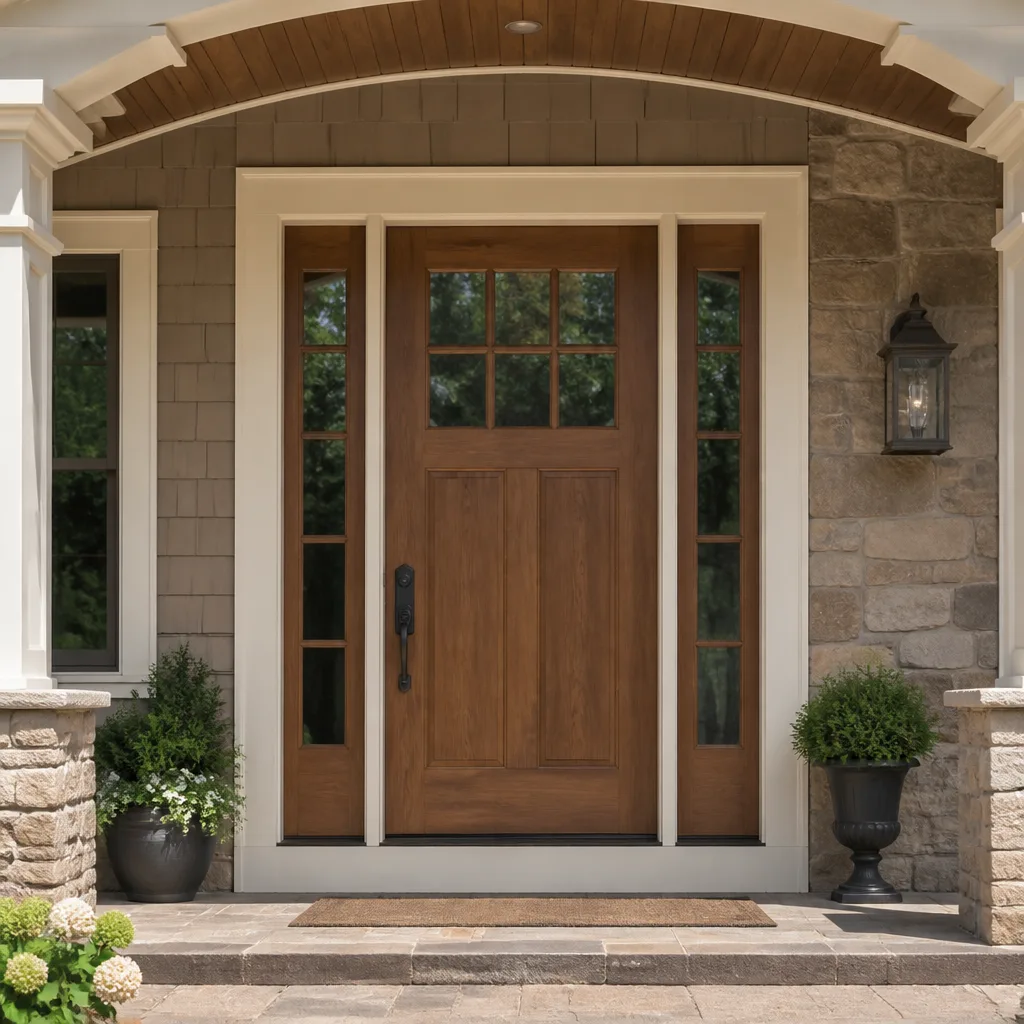 Entry doors
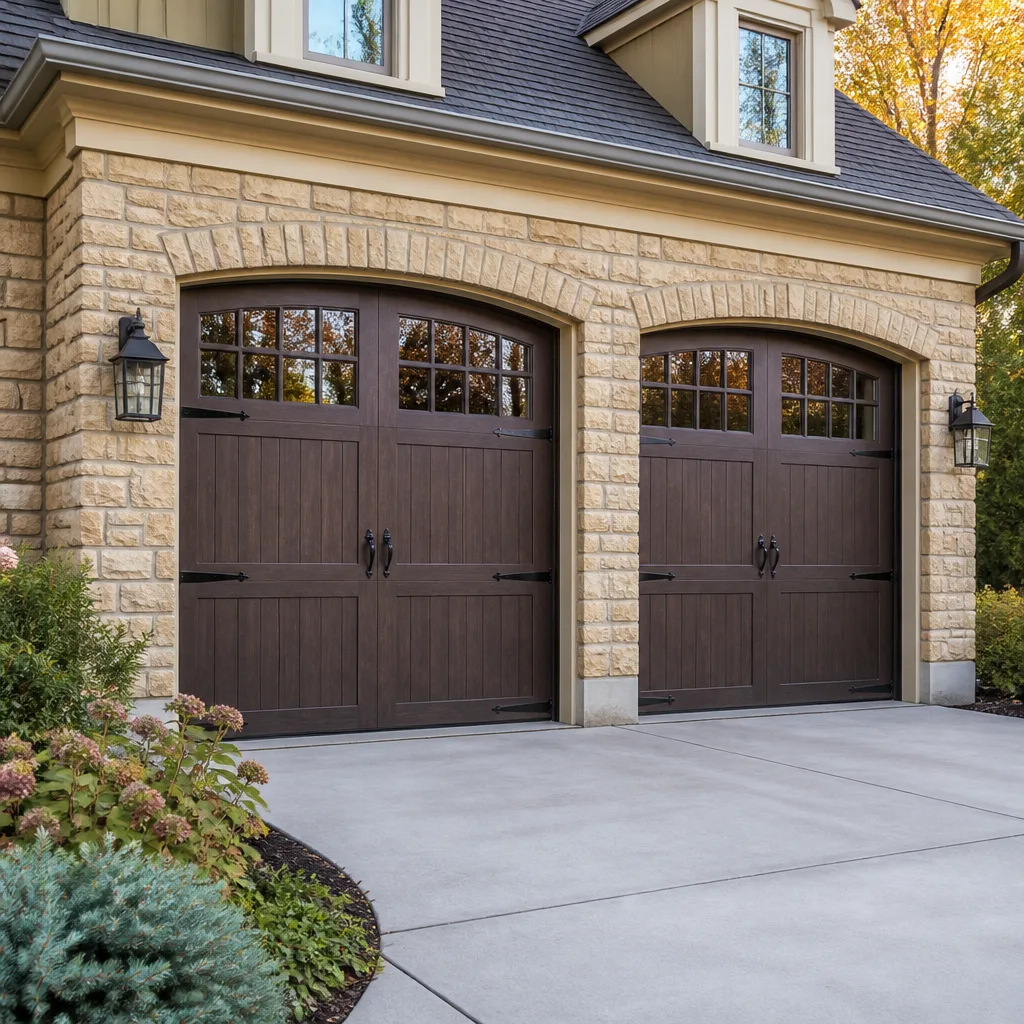 Impact garage doors
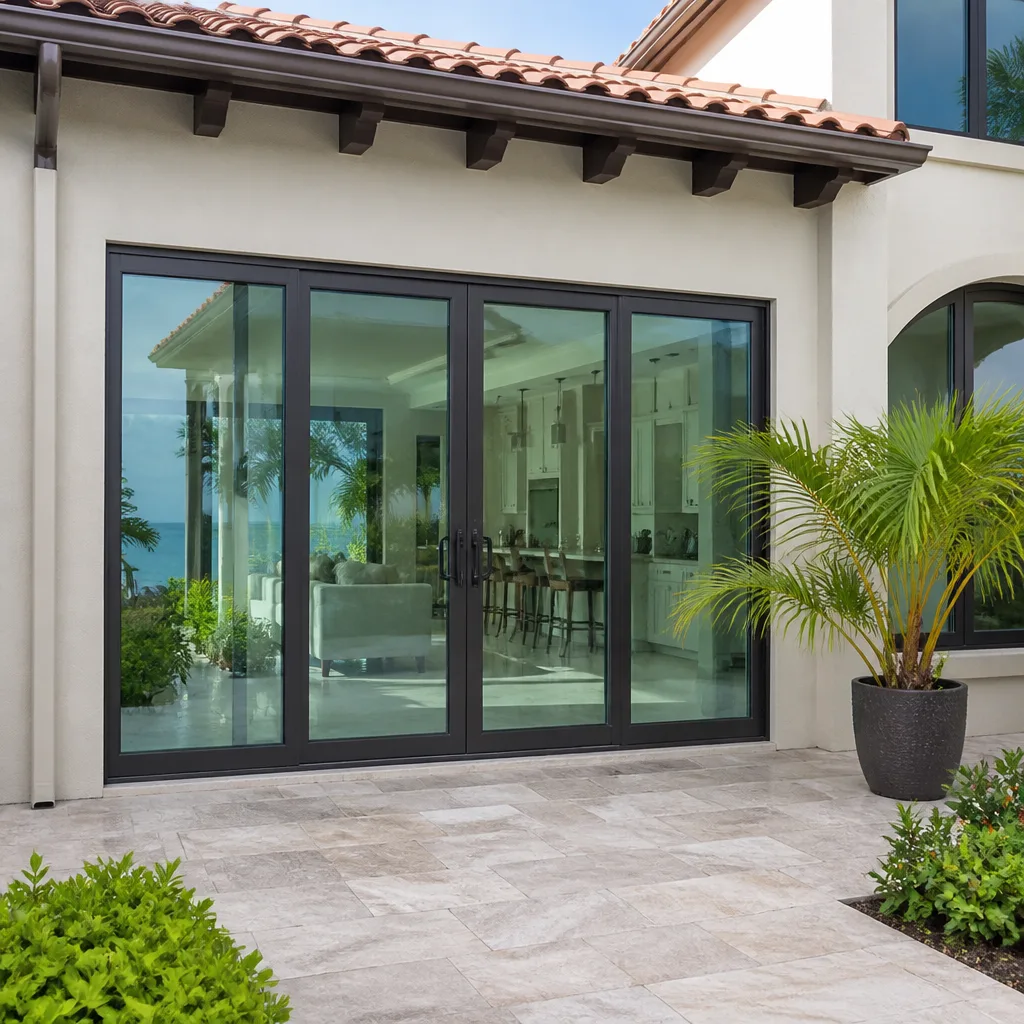 PGT
PGT CGI
CGIFree in-home measure and quote - PGT, CGI and CWS impact lines compared on your actual openings, style by style
Get your free estimateSeasonal Windows & Doors Care for Jacksonville: Year-Round Homeowner’s Guide
Jacksonville gets fewer than 20 frost nights a year, so most homeowners treat winter window care as irrelevant. But the 38°F nights in January cause frame materials to contract enough to reveal seal failures that $200 worth of caulk in February could have prevented the previous spring. Jacksonville’s care calendar for windows and doors isn’t symmetrical: summer and early fall demand active protection from heat, moisture, and storm threat, while winter asks almost nothing except the one inspection most homeowners skip. This guide gives each season its own honest, specific task list, written from years of walking through Jacksonville homes and seeing exactly where water, air, and heat sneak in.
Quick Answer
Seasonal window and door care in Jacksonville means inspecting weep holes and re-caulking exterior joints in spring, testing Low-E coating performance and prepping storm hardware in summer, running a seven-point post-storm water intrusion check in fall, and using January’s cold mornings to find air leaks at frame corners and sweep bottoms. Most tasks take under an hour per season and cost little to nothing. The one inspection that saves the most money: checking seals after the first hard temperature drop, when thermal contraction briefly exposes gaps that are invisible the rest of the year.
Styles & brands we work with
Table of Contents
- Spring (March – May): Clearing Pollen and Resealing Before the Rains
- Summer (June – August): Testing Low-E Coating Performance in Jacksonville Heat
- Hurricane Season (June – November): Pre-Storm Prep Checklist for Jacksonville’s Wind Zone
- Post-Storm Inspection: Seven Places Water Intrudes After Wind-Driven Rain
- Winter (December – February): Using Cold Mornings to Find Hidden Air Leaks
- Repair or Replace: How to Read What Your Inspection Tells You
- Common Mistakes to Avoid
- When to Call a Professional
Spring (March – May): Clearing Pollen and Resealing Before the Rains
Jacksonville’s oak and pine pollen season runs heavy from late February through April. By May, a fine yellow-green film covers window tracks, door thresholds, and especially the weep holes at the bottom of window frames. Weep holes are small drainage channels built into window sashes and frames, designed to let rainwater escape instead of pooling inside the track. When pollen mixes with rain, it forms a paste that clogs those channels. A clogged weep hole means water backs up and finds its way under the sash, into the wall cavity, or onto interior sills.
Clearing weep holes does not require tools. The safe method is a gentle rinse with a garden hose on low pressure aimed at the exterior channel, or a pipe cleaner or soft bottle brush threaded carefully through the hole. Do not use a pressure washer, and do not poke anything metal into the channel: the drainage path inside the frame is narrow, and a punctured channel is a permanent leak source. In our experience walking Jacksonville neighborhoods like Avondale and San Marco, we regularly see weep holes packed solid with pollen paste by late May, and the homeowners had no idea until water showed up on the interior sill after a heavy afternoon thunderstorm.
Spring is also the right time to inspect exterior caulk joints before summer rain arrives. Jacksonville’s spring storms arrive fast, and a failed caulk joint at the top of a window or door frame lets wind-driven rain reach the rough opening. Walk the perimeter of the house and look at every joint where the window or door frame meets the siding. Gaps, cracks, or caulk that has pulled away from either surface signal a job to redo. A quality silicone or polyurethane sealant rated for exterior use costs between $8 and $14 per tube, and a typical Jacksonville home needs three to six tubes to reseal problem areas. The work takes one careful afternoon.
Summer (June – August): Testing Low-E Coating Performance in Jacksonville Heat
Jacksonville summers routinely push past 90°F with humidity above 70 percent. That combination is exactly what Low-E coatings on window glass are engineered to resist: they reflect infrared heat back outward while letting visible light through. But Low-E coatings degrade over time, and a window with compromised coating performance quietly raises cooling costs month after month. There is a simple hand-check that tells you whether your window is earning its SHGC rating, and it takes about ten seconds per window on a 95°F afternoon.
Stand inside the house and place the back of your hand about two inches from the center of the glass on a sunny afternoon. If the glass surface feels noticeably hot, like a car windshield in a parking lot, the Low-E coating is underperforming or absent. A properly functioning Low-E window still feels warm to the touch, but it should not radiate heat the way single-pane or failed-coating glass does. For comparison, walk to a window that gets no direct sun and feel the same surface: the difference should be small. A large difference means the sun-facing glass is letting infrared heat through.
Newer installations from brands like ES Windows and ECO Window Systems use advanced Low-E coatings that hold up for decades in coastal climates. But older windows, or windows installed before Jacksonville’s current energy code took effect, often have coatings that have oxidized or worn thin. If the hand-check shows heat radiating through the glass, the next step is a professional energy assessment to measure whether replacement makes sense. You can learn more about what’s involved on our window replacement in Jacksonville page, which walks through the materials and process we use for homes in this climate.
Hurricane Season (June – November): Pre-Storm Prep Checklist for Jacksonville’s Wind Zone
Jacksonville sits in a wind-borne debris region under Florida building code, which means windows and doors installed after 2002 should be impact-rated or protected by a storm panel system. But even impact-rated windows and doors have moving hardware that needs checking before a hurricane watch is issued. The time to discover a stuck lock or a corroded track is not the morning a storm is 48 hours out. Here is the pre-storm prep checklist we recommend for Jacksonville homeowners, in order of importance:
- Test every lock and latch. Open and close each window and door, and lock and unlock each one twice. A lock that binds may leave a window or door unable to fully seat against its weatherstripping, which is the difference between a dry room and a wet one when wind pushes rain sideways.
- Lubricate moving hardware. A silicone-based lubricant, not WD-40, on window tracks, door hinges, and lock mechanisms. Silicone won’t attract dust and grit the way petroleum-based sprays do.
- Confirm storm panel fit. If you have removable storm panels or shutters, test-fit each one now. Hardware left in place all year corrodes, and panel clips that don’t seat properly turn a storm panel into a missile in 100-mph wind.
- Inspect weatherstripping at every door. Look at the bottom sweep and the side and top gaskets. Torn, brittle, or missing weatherstripping is a direct path for wind-driven rain to reach your floors.
- Check drainage around exterior doors. Make sure threshold channels and door sill weep holes are clear. The threshold is the lowest point of the wall and the most common source of storm water intrusion in Jacksonville homes.
- Document condition with photos. Walk the perimeter and photograph every window and door from the exterior. If damage occurs, you have a before reference for insurance.
For homes with older windows that predate impact standards, or for windows with failed seals or fogging between panes, a full window installation in Jacksonville with impact-rated products is the long-term answer. Brands like PGT and CGI are built for exactly the wind loads Jacksonville experiences. But even impact-rated products need the hardware checks above: a window that won’t lock is a vulnerability regardless of glass rating.
Post-Storm Inspection: Seven Places Water Intrudes After Wind-Driven Rain
After a Jacksonville storm passes, water that got driven sideways by wind tends to show up in predictable places. Here are the seven specific intrusion points we check, listed from most to least likely in a Jacksonville storm event, along with what each tells you about the condition of your windows and doors.
- Door threshold corners. Wind-driven rain hits the bottom of exterior doors first. Water at interior threshold corners means the door sweep or the side gasket failed, or the threshold itself has lost its seal to the subfloor.
- Window track weep holes. If weep holes were clogged when the storm hit, water backs up in the track and overflows onto the interior sill. Check for water inside the track after any heavy rain.
- Top of window frame casing. Wind pushes rain upward against the top of the window opening. Water appearing at the top interior casing usually means the exterior caulk joint or the flashing above the window has failed.
- Baseboards below windows. Water that gets behind the wall cavity travels down and shows up at the baseboard, not the sill. If the baseboard is damp below a window but the sill is dry, the leak is in the rough opening, not the window itself.
- Door hinge-side jamb. On outswing French doors or patio doors, wind forces rain against the hinge side. Water on the interior floor near the hinge side typically means the jamb gasket has worn or the door is no longer square in its frame.
- Sill plate under sliding glass doors. Sliding door tracks have internal drainage channels that carry water to the exterior. If those channels are blocked or the track is out of level, water collects and seeps under the sill plate.
- Around exterior frame corners. Caulk failure at window and door frame corners is common after years of Jacksonville UV exposure. Water at frame corners inside the wall often reappears as paint bubbling or soft drywall weeks later.
If water shows up in any of these places after a storm, the fix may be a simple seal replacement or a full frame rebuild. A door installation in Jacksonville professional can tell you which is which, and whether a Therma-Tru door with a factory-sealed threshold is the smarter spend than another season of caulk.
Winter (December – February): Using Cold Mornings to Find Hidden Air Leaks
Jacksonville’s winter is short and mostly mild, but the temperature swings that do happen are useful. When nighttime temperatures drop into the 30s, window frames and door slabs contract. The contraction is small, measured in fractions of a millimeter, but it is enough to open gaps at frame corners, joint seams, and sweep bottoms that are invisible during warm weather. That’s why the best air-infiltration inspection of the year happens on a January morning, not a July afternoon.
On the first cold morning after a hard temperature drop, walk the interior perimeter of your home with a lit candle or an incense stick. Hold the flame or smoke trail near each of these spots, moving slowly: the four corners of every window frame, the full length of every door sweep, and the seams where window and door frames meet the wall. If the flame flickers or the smoke pulls toward the opening, air is moving through. Mark the spot with a small piece of painter’s tape, then move on. The inspection takes about 20 minutes for a typical three-bedroom Jacksonville home.
What the findings tell you is different from what a summer inspection would show. A gap that only appears when the frame is cold-contracted is often a sign that the window or door has shifted in its opening, the weatherstripping has lost resilience, or the original installation did not include proper foam insulation around the rough opening. Caulking and weatherstripping replacement can close many of these gaps: a tube of exterior caulk runs about $8 to $12, and a new door sweep costs $15 to $30 at any Jacksonville hardware store. If the smoke test shows multiple gaps on a window that also fogs between panes or is difficult to lock, the window itself has likely reached the end of its service life, and the cost of repeated patching starts to approach the cost of replacement.
Repair or Replace: How to Read What Your Inspection Tells You
Every seasonal inspection above produces one of three answers: the window or door is healthy, the window or door needs a modest repair, or the window or door is nearing replacement. Knowing how to read the signs saves money in both directions, meaning you will not replace a window that needed a $20 sweep, and you will not patch a window that has been leaking air into your attic for a decade.
Repair territory includes worn weatherstripping, failed caulk joints, clogged weep holes, loose hardware, and sticky tracks. These are maintenance items. They are inexpensive, they are expected with age, and they do not indicate a structural problem. A 10-year-old window with tight seals, clear glass, and a healthy track but a flattened door sweep needs a new sweep, not a new window.
Replacement territory includes fogging between glass panes, which means the seal between the panes has failed and the insulating gas has leaked out; visible frame rot or soft spots when you press a screwdriver into wood or composite; water that appears inside the wall cavity during normal rain, not just storms; difficulty locking the window or door into a fully seated position; and a Low-E hand-check that shows radiant heat pouring through the glass. None of these problems gets better with caulk.
We advise homeowners to think about cost per month, not cost per visit. A repair that costs $60 and lasts eight months costs more per year than a replacement that costs $900 and lasts 20 years. The arithmetic changes once repairs become recurring. For a window with multiple seal failures and visible frame damage, replacement through our window replacement in Jacksonville service typically makes more sense than another season of temporary fixes.
Common Mistakes to Avoid
- Skipping the winter inspection because Jacksonville doesn’t get real winters. The point of a cold-morning check is not to prove your windows survive freezing. It is to catch air leaks that only exist when frames contract. Miss it, and you miss the most informative inspection of the year.
- Using a pressure washer on window tracks and weep holes. High-pressure water forces debris deeper into drainage channels instead of flushing it out, and it can break the channel walls inside the frame. A garden hose on low pressure is all you need.
- Testing storm panels during a storm. The first time you fit a panel should never be the morning a hurricane watch is issued. Hardware corrodes, clips bind, and panels stored in a garage may have warped. Test-fit them in May or June, every year.
- Caulking weep holes shut. Homeowners sometimes mistake weep holes for cracks and seal them. That turns every rain into an interior water event. Weep holes exist to drain water; they should always remain open and clear.
- Ignoring fogged glass because it still closes. Fog between panes means the seal has failed and the window has lost its insulating gas. It may still lock and look fine from ten feet away, but its thermal performance is gone, and your air conditioner is paying for it every summer.
- Replacing a door sweep without checking the threshold. A new sweep won’t seal against a threshold that is out of level or has lost its seal to the floor. Check the threshold first; the sweep is often the symptom, not the cause.
- Treating every window and door as if they all wear the same way. South and west-facing windows in Jacksonville take far more sun and heat than north-facing windows. Sun-facing units fail faster. Inspect them more often and expect to replace them first.
When to Call a Professional
A seasonal inspection you do yourself is valuable, but some findings need a trained eye and the right tools. Call a professional when you find fogged glass that won’t clear, water inside wall cavities after normal rain, frame rot you can poke with a screwdriver, a window or door that won’t lock into place, or a Low-E hand-check that shows serious heat radiating through sun-facing glass. Structural issues around the rough opening often hide behind the trim, and the fix is not a caulk job. Lightwell Windows Jacksonville offers free estimates in Jacksonville, and Keith Yamada personally walks each project before a single number is put in writing. Call (904) 914-3691 to schedule yours. For more on what a full installation looks like, see our window installation in Jacksonville page and door installation in Jacksonville page.
See the difference
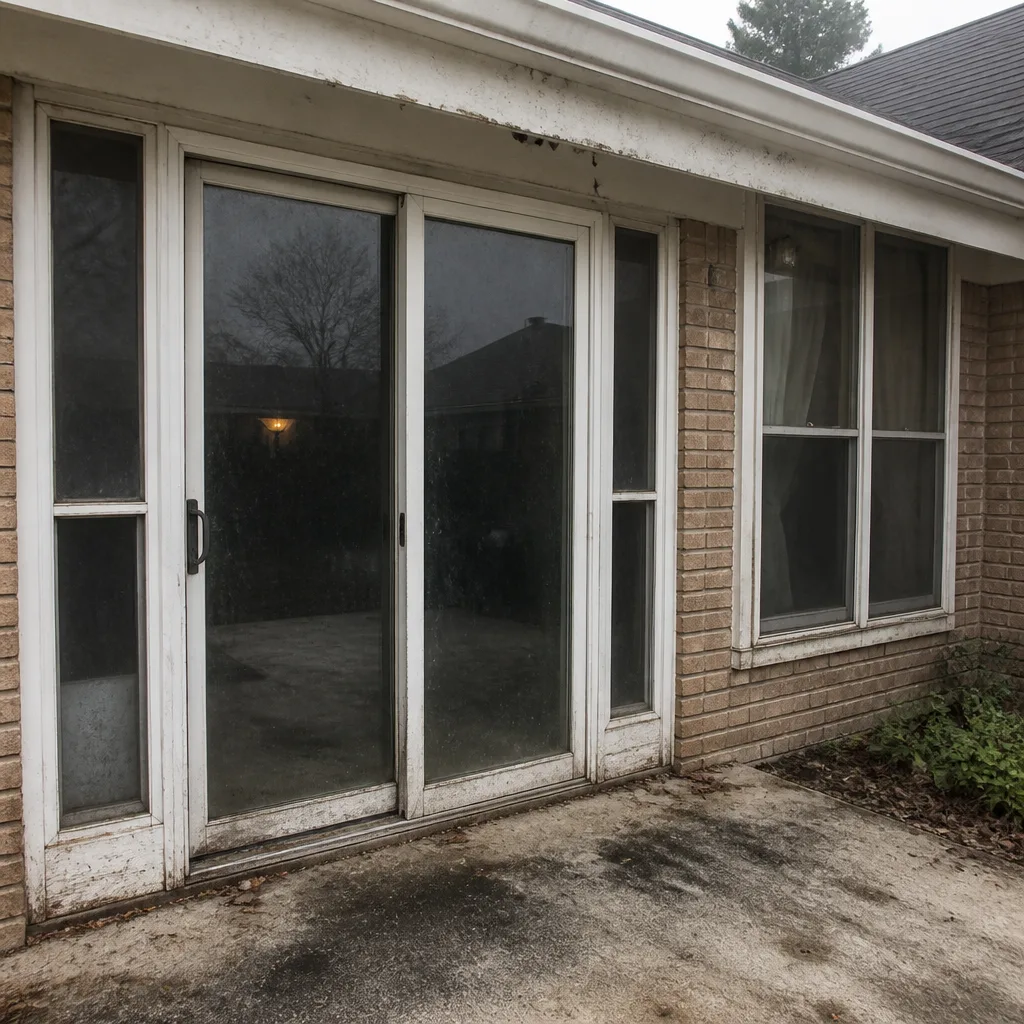 Before
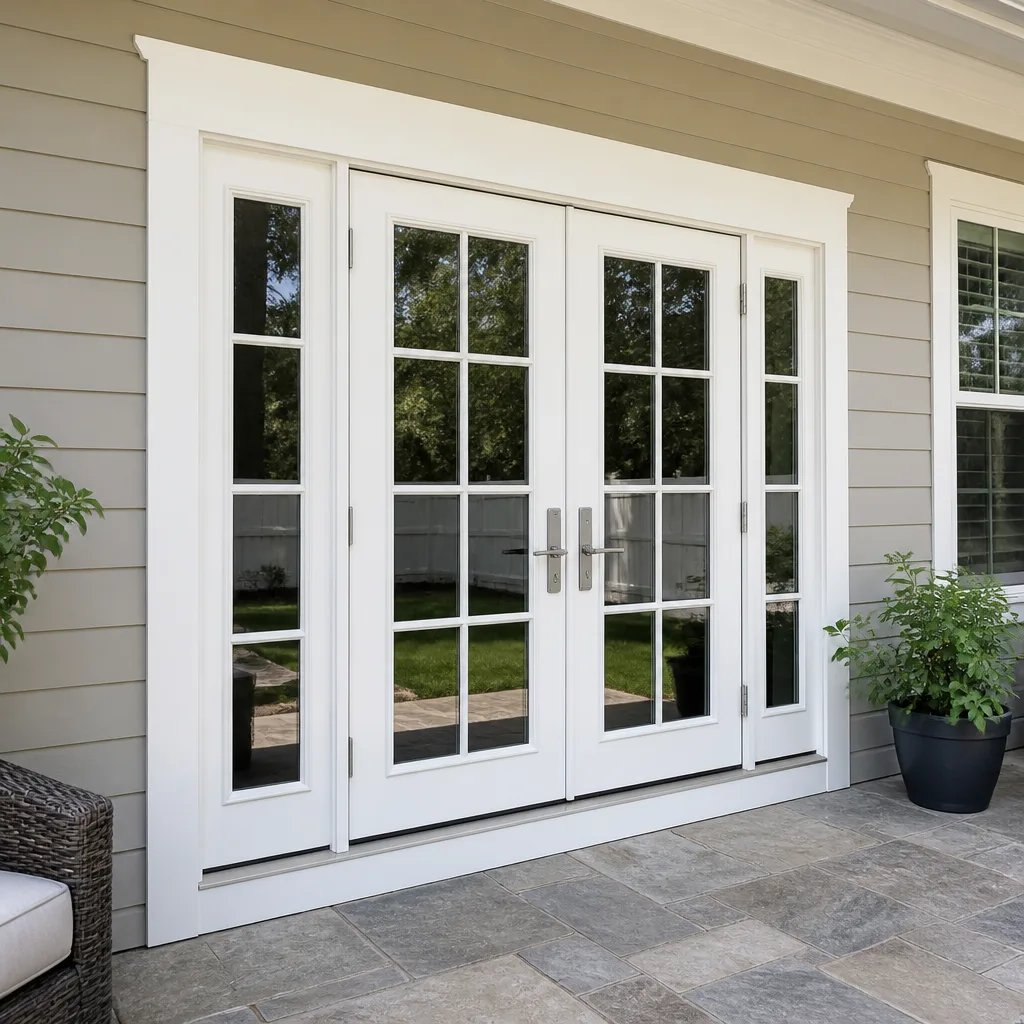 After
After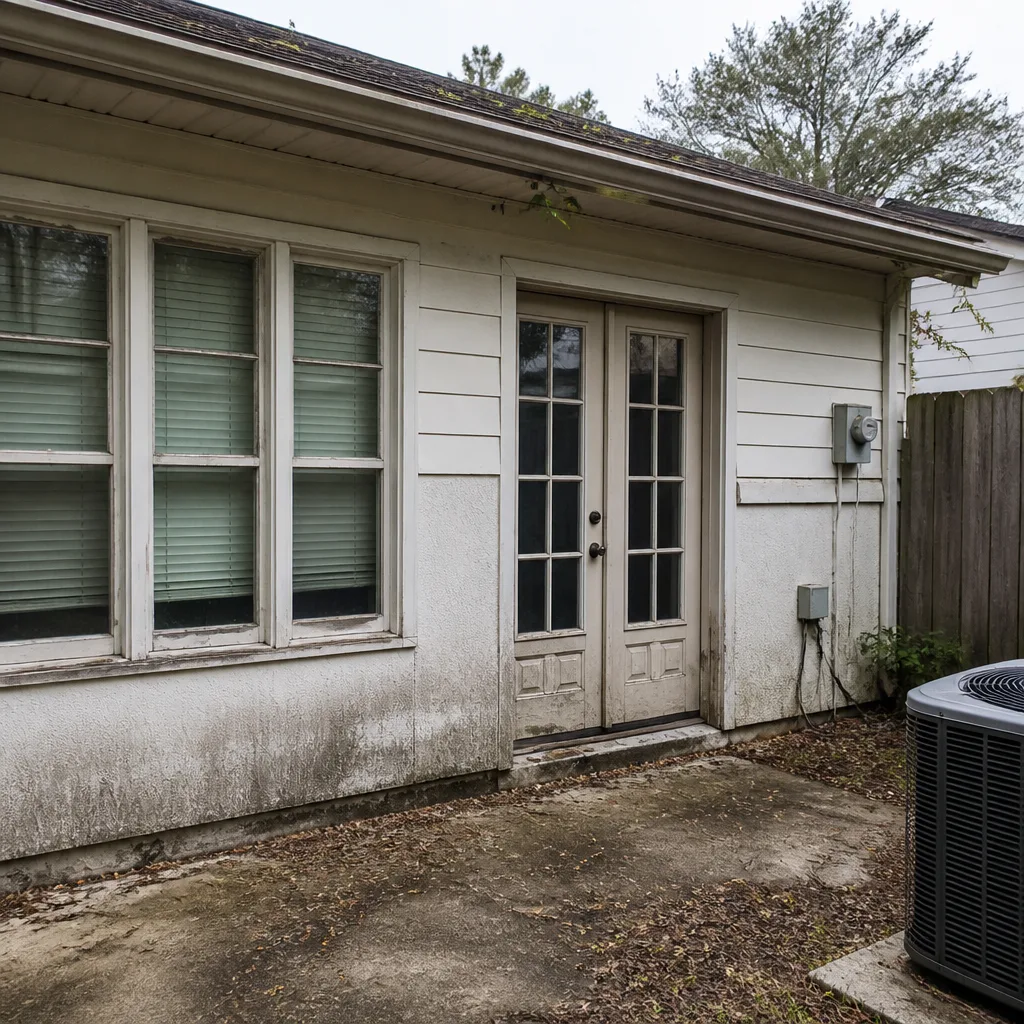 Before
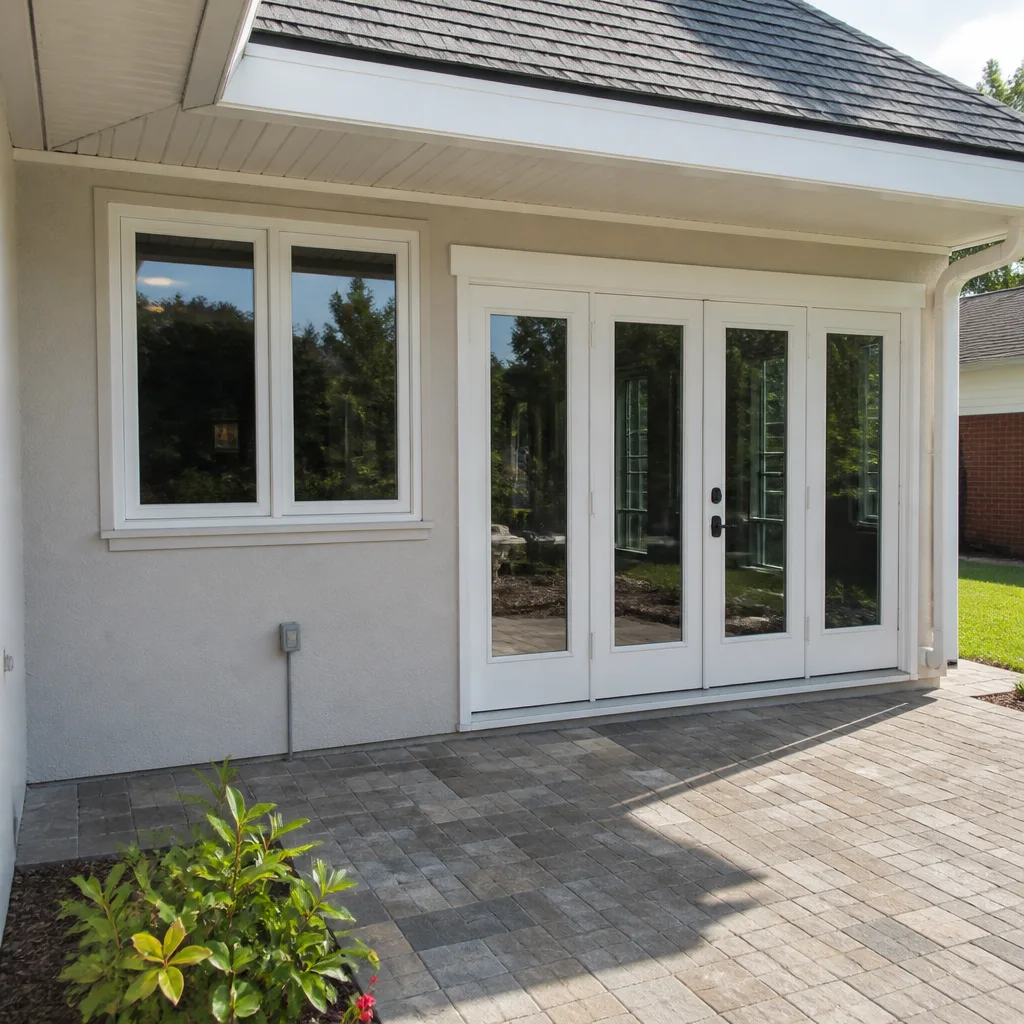 After
After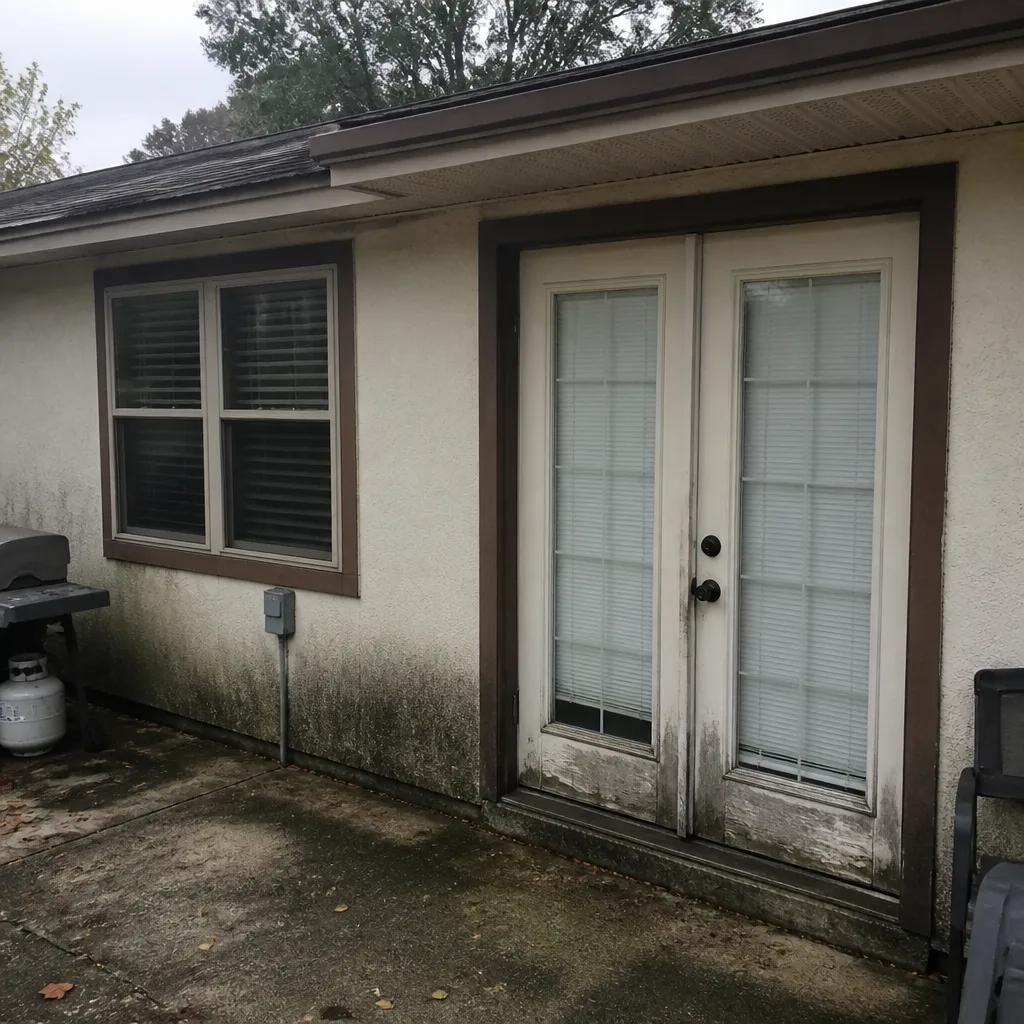 Before
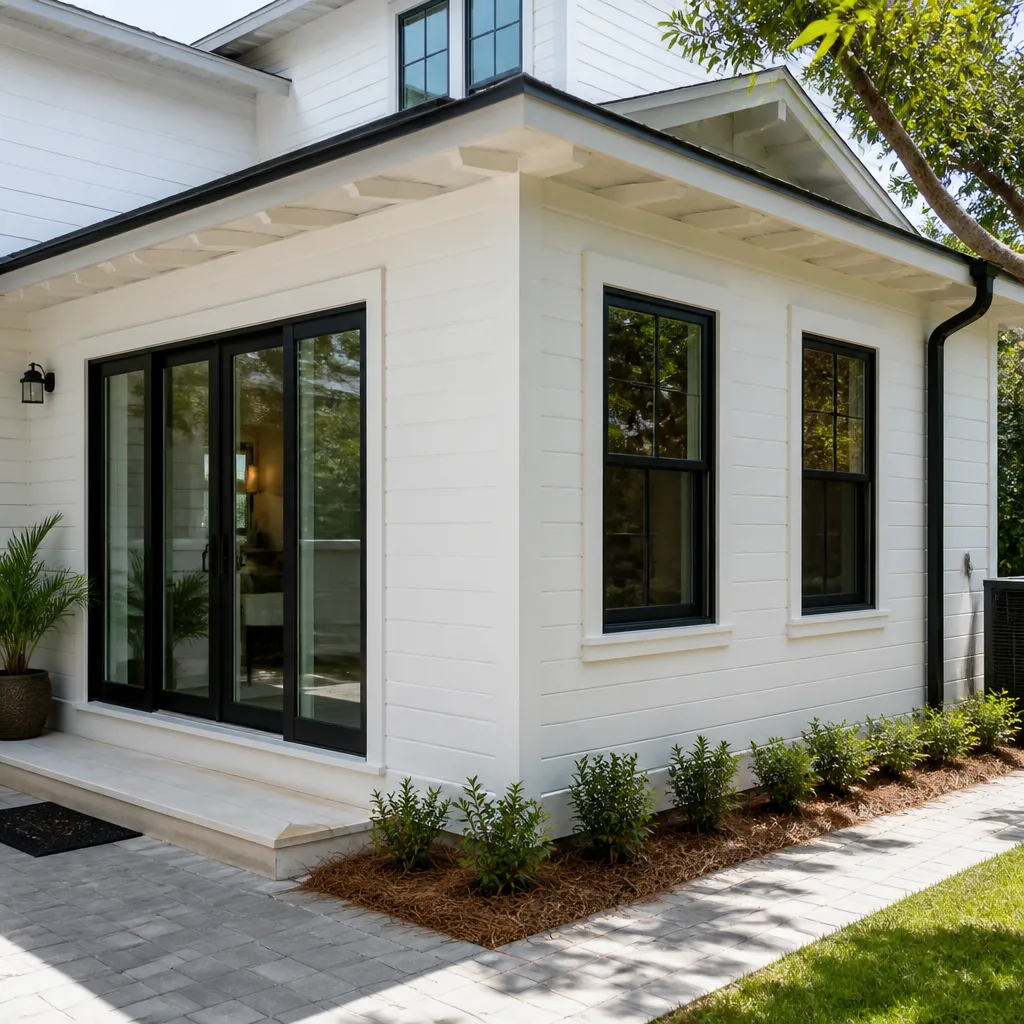 After
AfterFrequently Asked Questions
Four times a year, once per season, with each season focused on a different inspection target. Spring is for weep holes and exterior caulk, summer is for Low-E performance, fall is for storm prep and post-storm checks, and winter is for cold-morning air leak detection. Each inspection takes under an hour. If you find something questionable, call (904) 914-3691 for a free estimate rather than waiting for the next season.
Most DIY seasonal maintenance costs between $20 and $60 per year: a tube of exterior caulk runs $8 to $14, a door sweep runs $15 to $30, and a can of silicone lubricant runs about $8. Professional re-caulking for a full home typically runs $200 to $500 depending on the number of openings. The big expense is replacement: most window replacement in Jacksonville runs between $800 and $1,800 per opening depending on brand and impact rating. Ask for a written line-item quote before agreeing to anything.
On a sunny 90°F-plus afternoon, place the back of your hand two inches from the interior glass surface. A properly functioning Low-E window feels warm but not hot, and should feel similar to a shaded window. If the glass radiates heat strongly, the coating has likely degraded. A professional energy assessment will confirm it. Call (904) 914-3691 to ask about a free evaluation in Jacksonville.
Most Florida homeowner’s policies cover storm-related window and door damage, but the deductible, often a hurricane deductible of 2 to 5 percent of your coverage, may be higher than the repair cost. Document your windows and doors with photos before the storm so you have a before reference. If the repair is less than the deductible, paying out of pocket is usually the right call.
For impact-rated windows, PGT and CGI are both built in Florida and engineered for the state’s wind-borne debris requirements. For high-end architectural glass, ES Windows and ECO Window Systems offer excellent Low-E performance and coastal durability. For doors, Therma-Tru and Mr-Glass make products we have installed in Jacksonville homes for years. The right brand depends on the home’s exposure, the opening size, and the budget.
Yes, and it’s not a courtesy, it is our operating rule. Every Lightwell technician is background-checked and uniformed, shoe covers and drop cloths go down on every visit, we ask before moving or touching anything, and we photograph the clean-up before the crew leaves. The C.A.R.E. values we work by mean Clean up like it is our own home, Ask before we move or touch anything, Respect the family’s time and quiet hours, and Explain the price before the work. We keep pet-safe products wherever there is a choice, and if it is not done right, the 365-Day Done Right Promise means we make it right.
The Bottom Line
Jacksonville’s window and door care calendar follows the city’s actual weather: pollen and rain in spring, heat and storms in summer and fall, and a brief but diagnostic cold snap in winter. You don’t need expensive tools or professional help for most seasonal checks. A pipe cleaner, a caulk tube, a candle on a cold morning, and a hand on hot glass cover most of it. The payoff is catching small problems before Jacksonville’s weather turns them into big ones. If your inspection finds fogged glass, failed seals, or water where it shouldn’t be, call (904) 914-3691 for a free estimate. We will put the price in writing before any work starts, and we will leave your home the way we found it, just better.
Written by Keith Yamada, Owner at Lightwell Windows Jacksonville, serving Jacksonville since 2010.
Six Reasons Homeowners Choose Lightwell Windows Jacksonville
Impact systems engineered to design pressures up to +/-100, matched to your wind zone - your openings hold when the storm arrives.
Low-E insulated impact glass from our manufacturer lines commonly cuts monthly cooling bills 20-30%.
Laminated impact glass shuts out up to 40% of outside noise - traffic, neighbors, weather.
Monitoring services run $30-90 a month. Laminated impact glass resists forced entry around the clock, with no subscription.
Florida homeowners average around 25% savings on the windstorm portion of their policy after protecting every opening - some homes qualify for more.
A full impact package upgrades curb appeal, buyer confidence and appraised value in one project.