
Last updated October 17, 2026
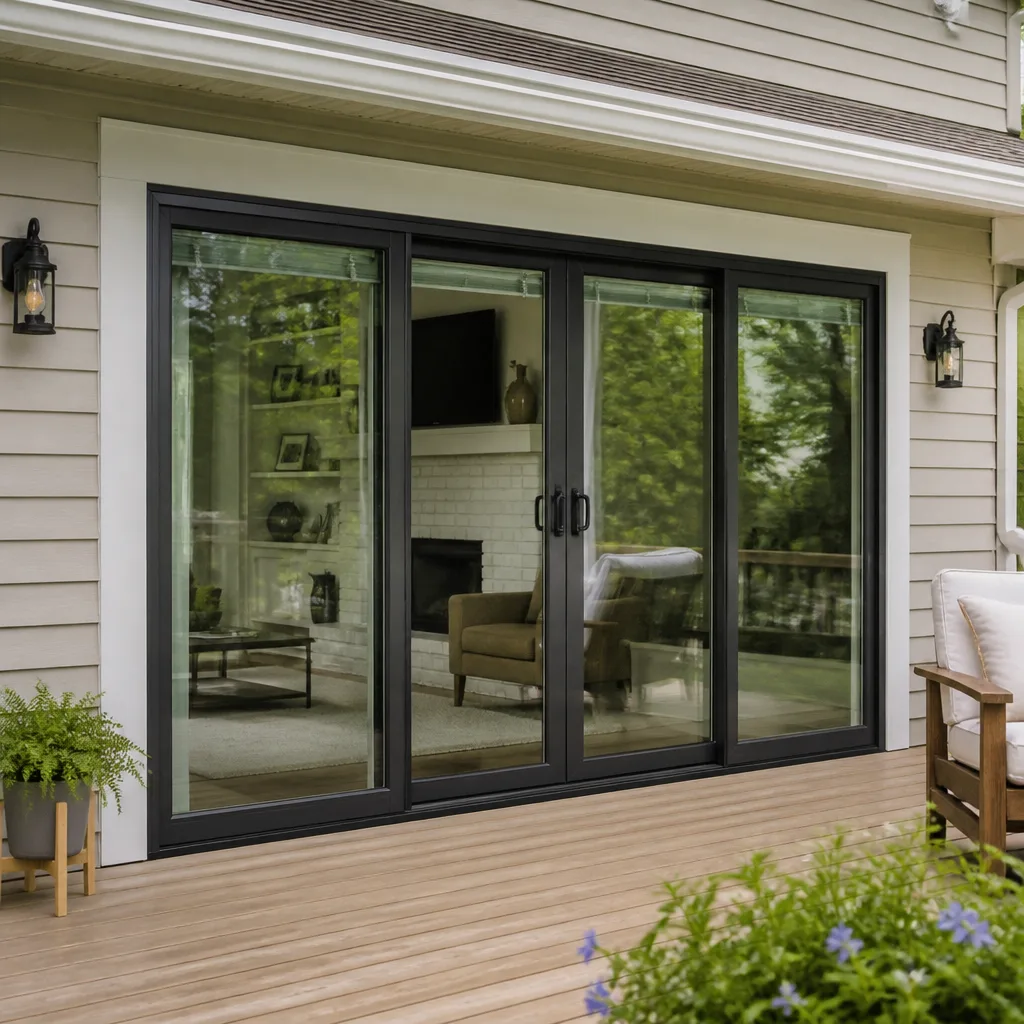 Sliding glass doors
 Single hung
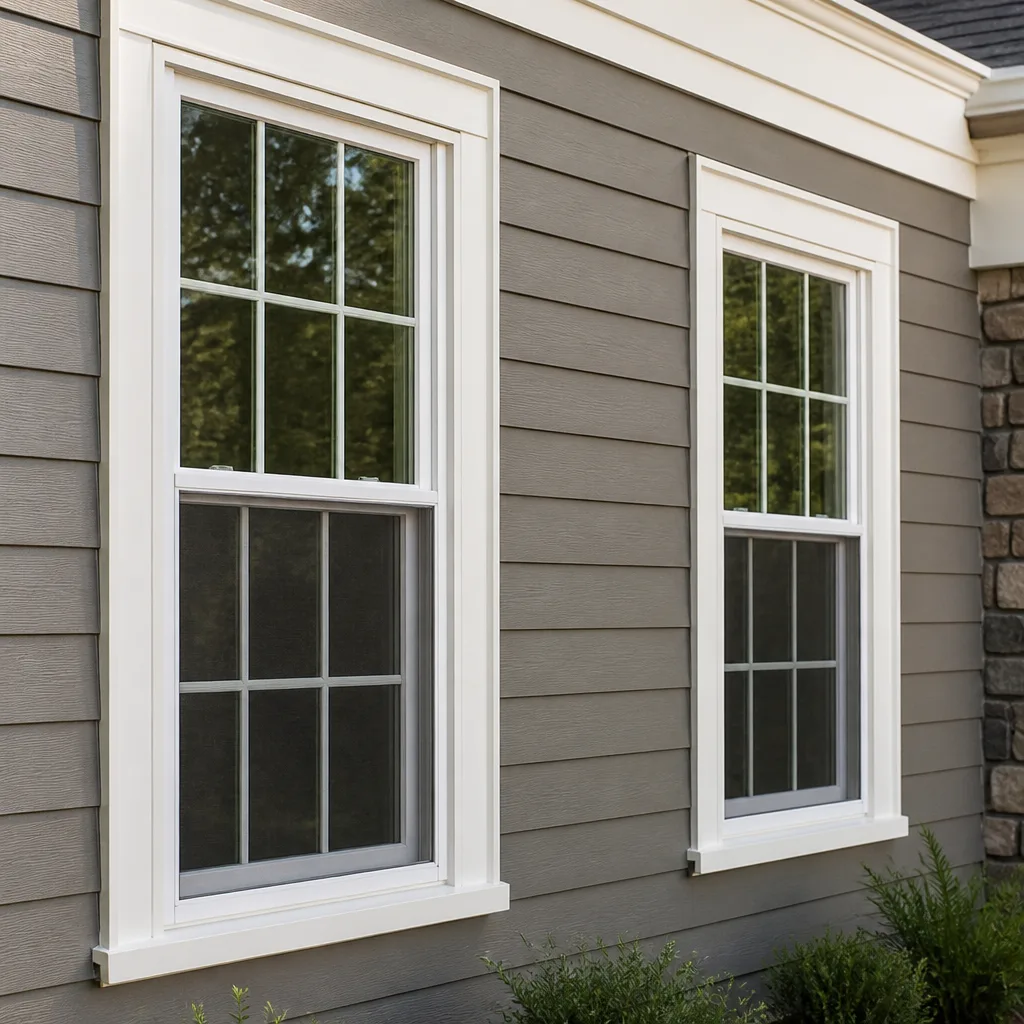 Double hung
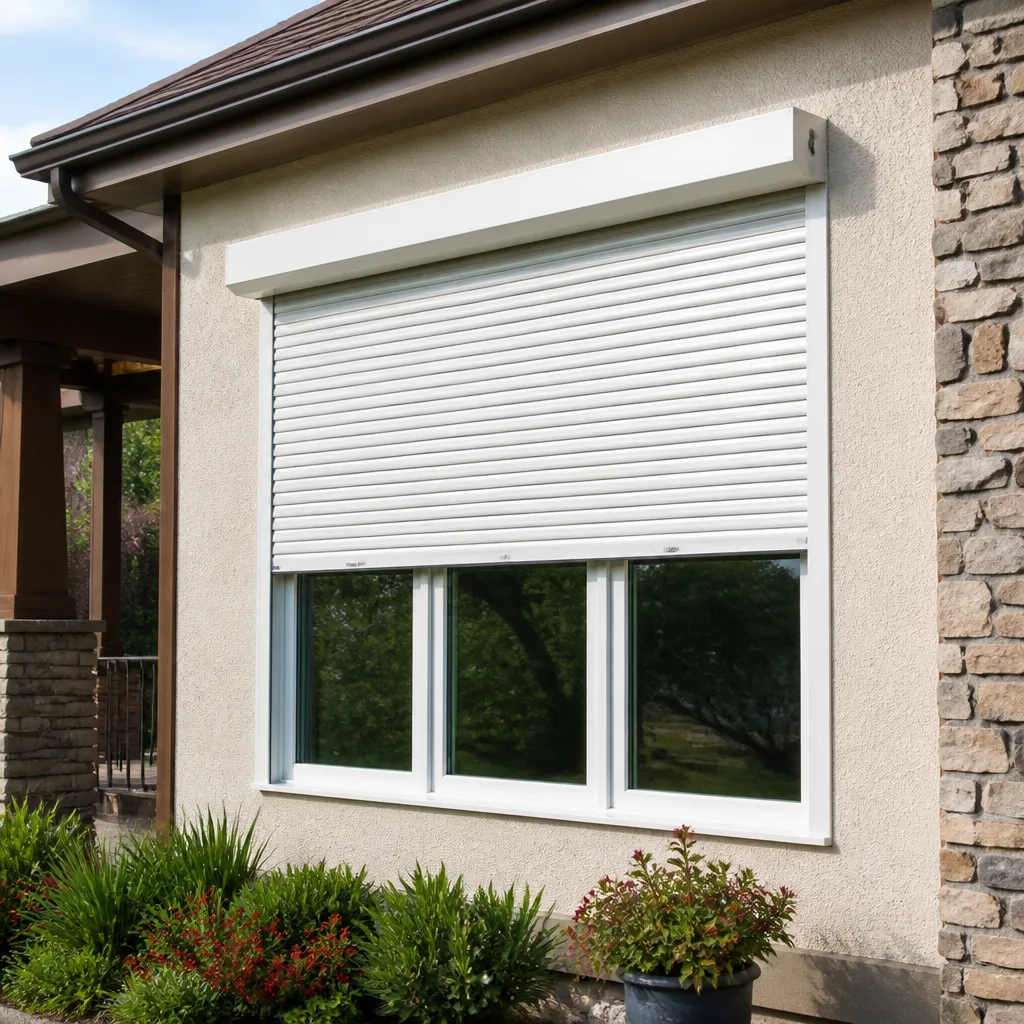 Horizontal roller
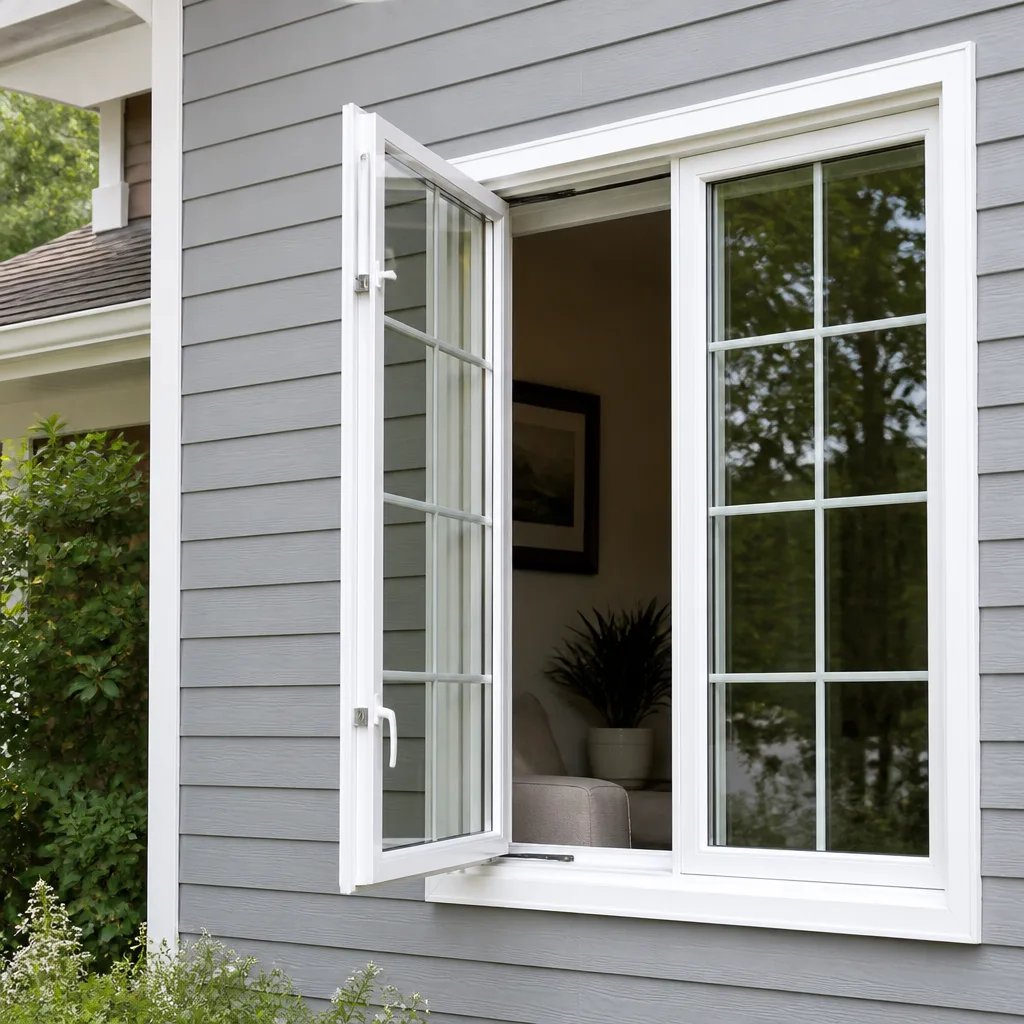 Casement
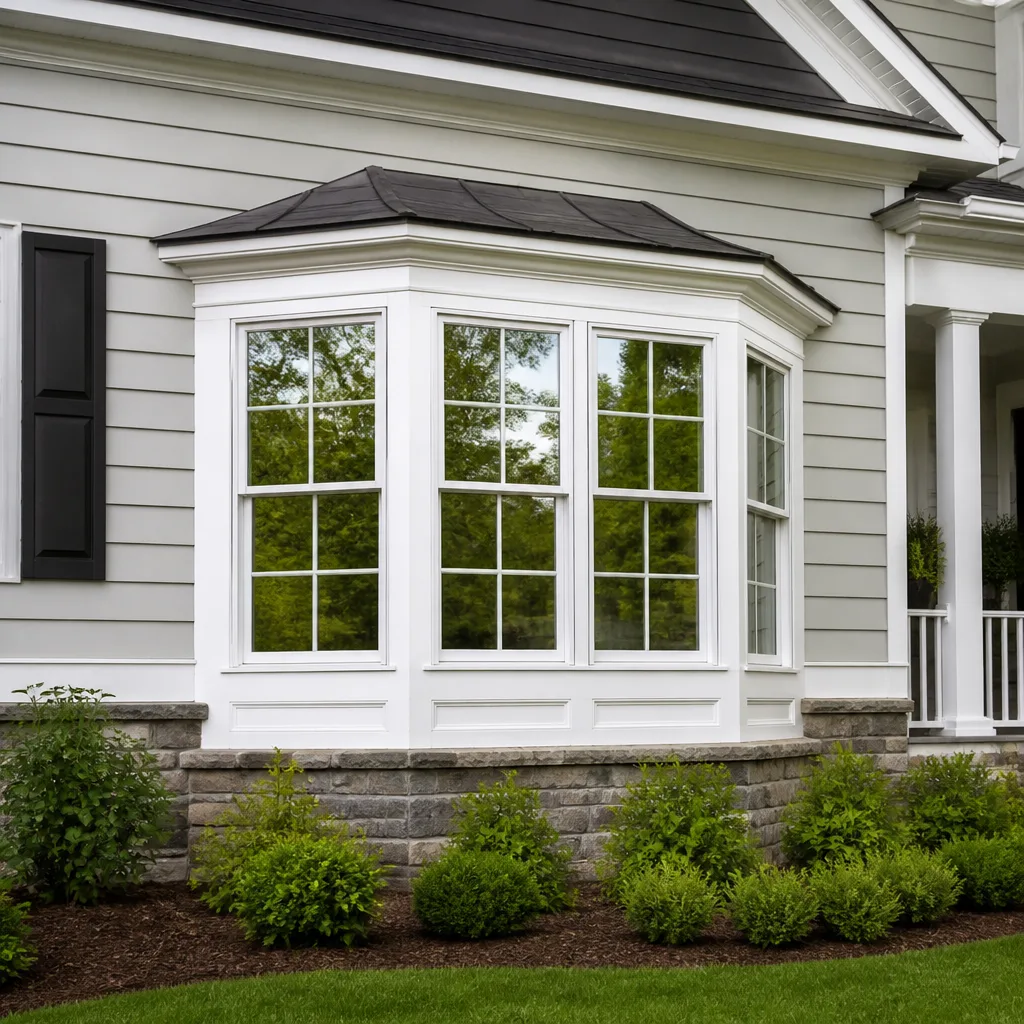 Bay & bow
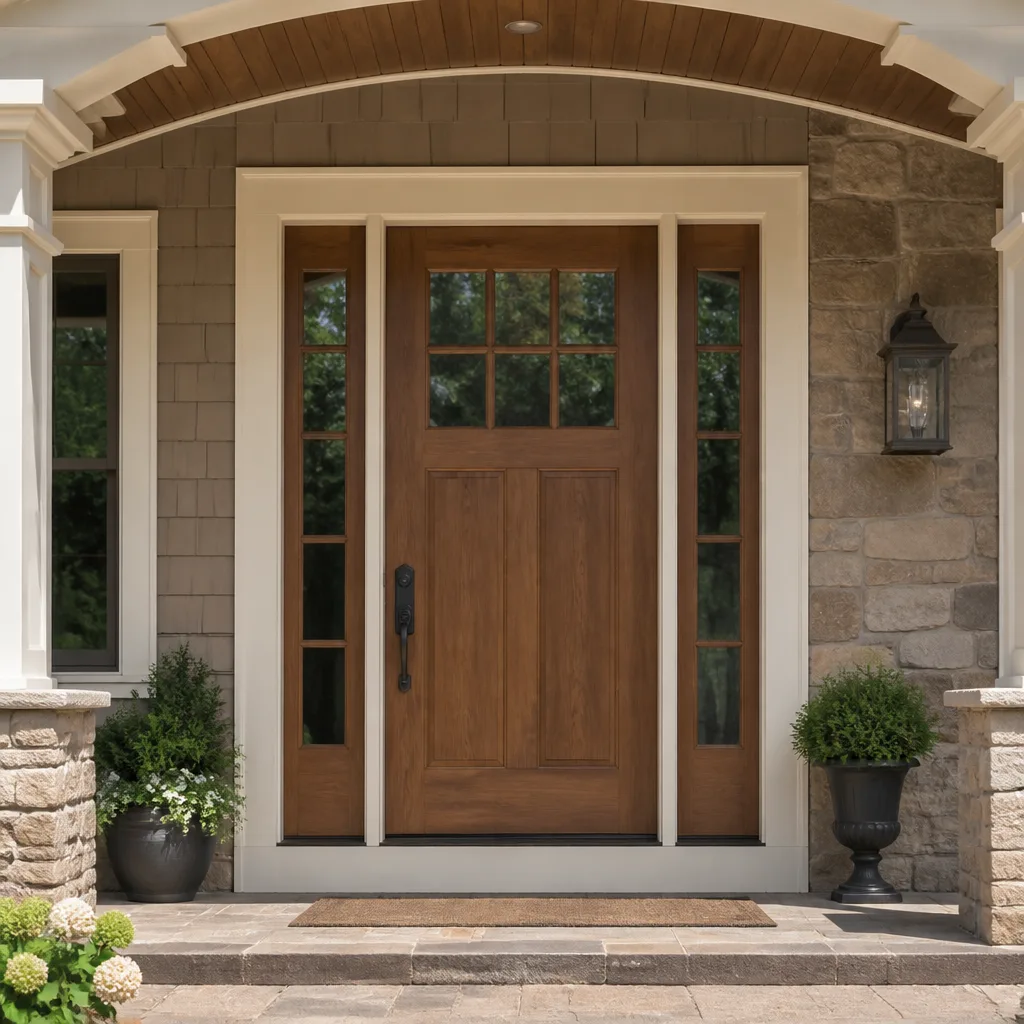 Entry doors
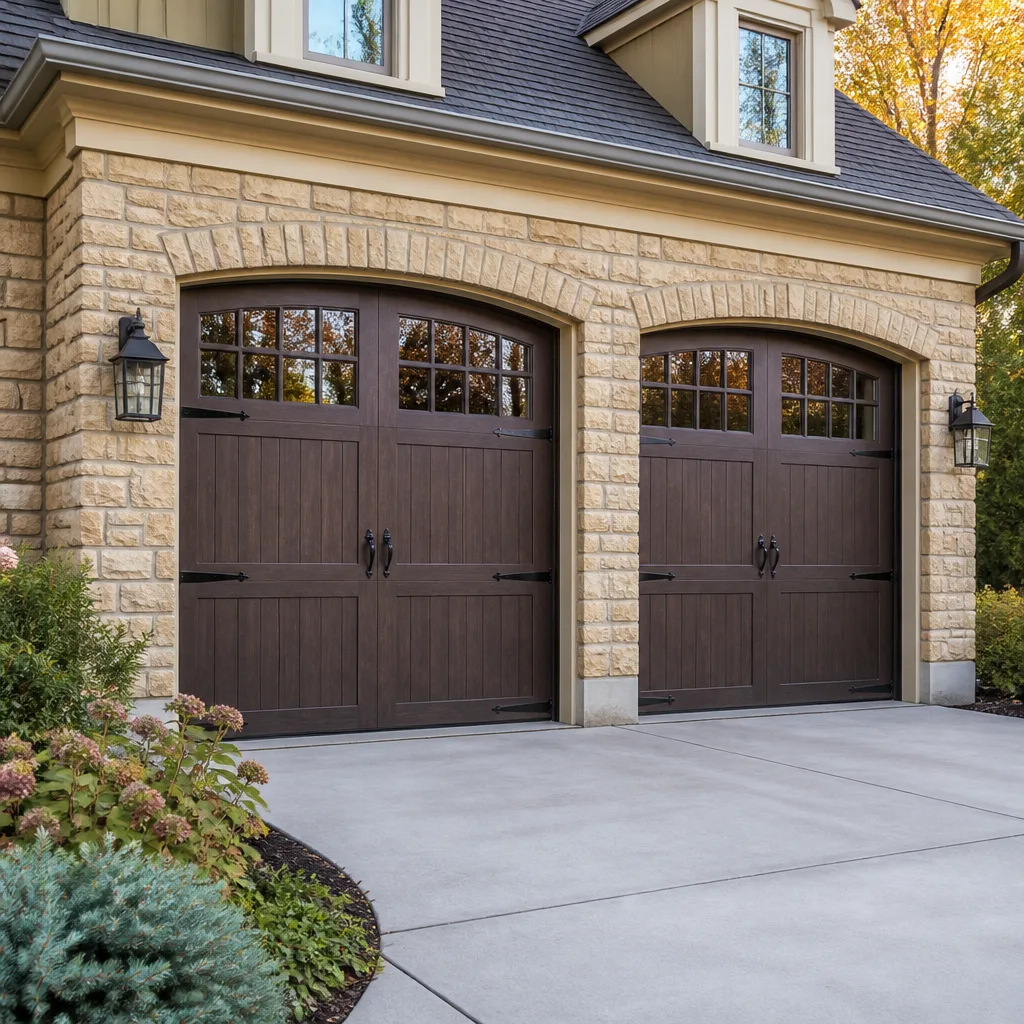 Impact garage doors
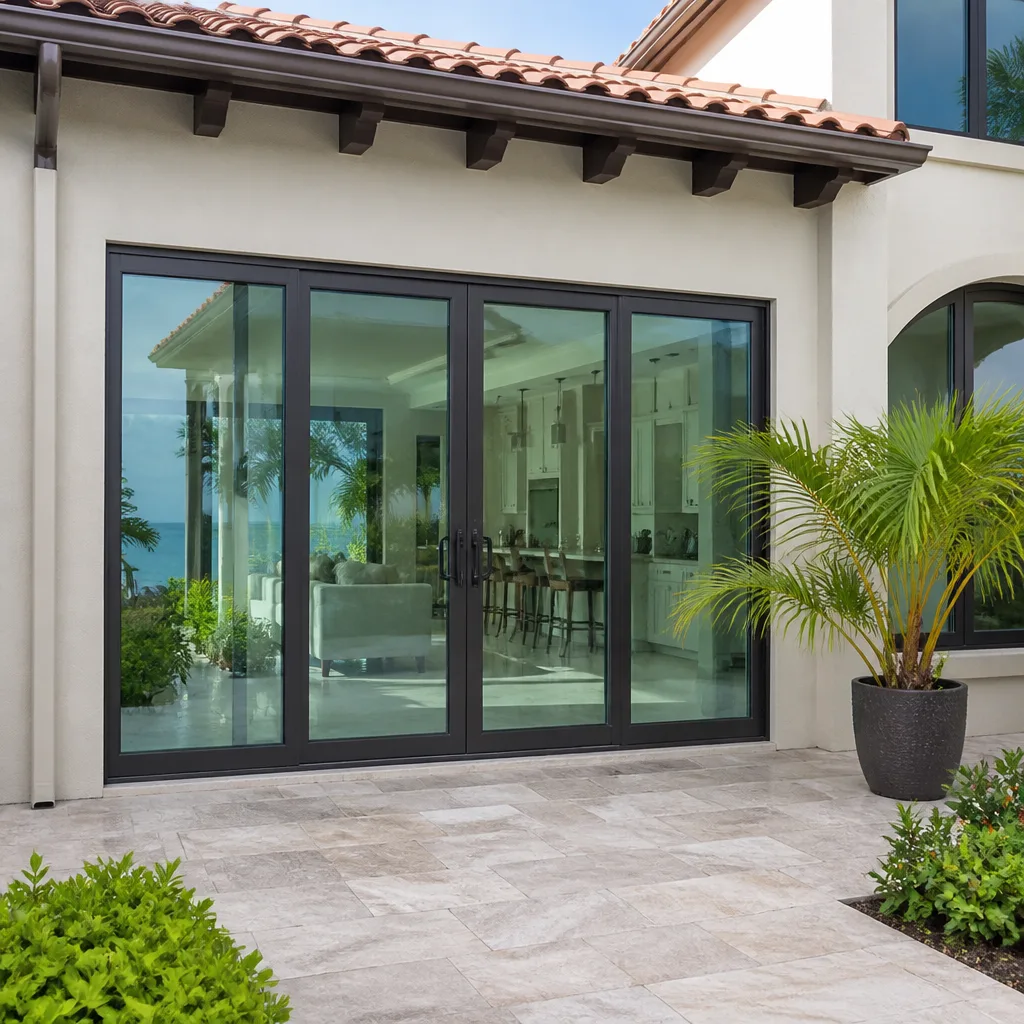 PGT
PGT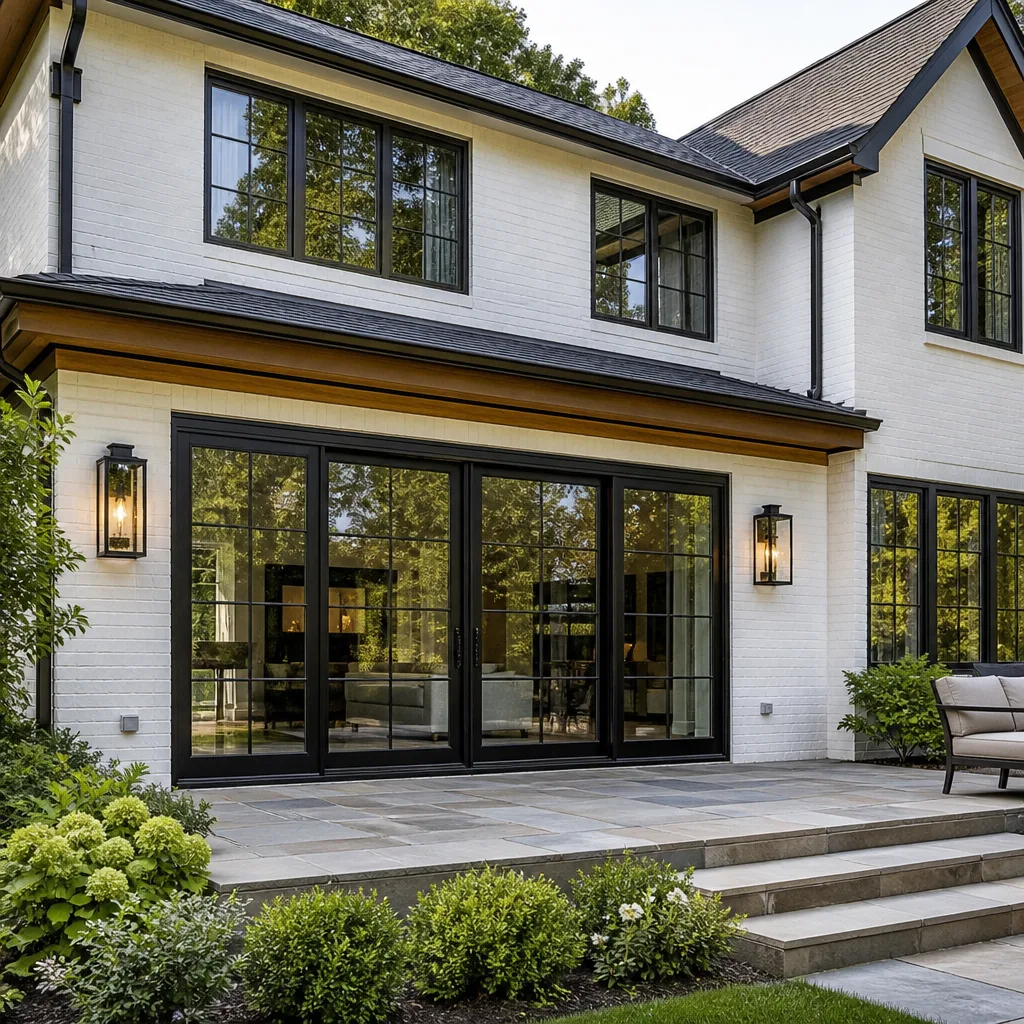 CGI
CGIFree in-home measure and quote - PGT, CGI and CWS impact lines compared on your actual openings, style by style
Get your free estimateThe Complete Guide to Windows & Doors in Jacksonville
Most national window guides treat “Florida” as a single climate, but a home in Jacksonville faces conditions that would quietly destroy products sold confidently to homeowners south of Orlando. Jacksonville sits in ASCE Wind Zone III, where design wind speeds reach 140 mph in some exposure categories, and summer humidity routinely pushes past 90% for weeks at a time. Salt air from the Atlantic drifts inland along the St. Johns River, and the east-west sun angles punish glass that performs fine in Central Florida. This guide maps exactly which materials, ratings, and installation details matter block by block in Northeast Florida, from Mandarin to Atlantic Beach, and you can find more guides & resources on our blog.
Styles & brands we work with
Quick Answer
The right windows and doors for a Jacksonville home are impact-rated or storm-panel-ready units with Low-E glass tuned to your home’s specific sun exposure, aluminum or reinforced vinyl frames that resist salt corrosion, and installation details that seal against 90% humidity. Expect to pay $700 to $2,400 per opening installed, depending on frame material, glass package, and whether you choose true impact glass or a panel-ready alternative. A well-chosen window or door pays back through lower energy bills, reduced insurance premiums, and resale value, but only if the product matches your specific part of Jacksonville, not a generic Florida average.
Table of Contents
- Jacksonville’s Wind Zone III: What It Means for Your Home
- Impact Glass vs. Storm Panels: The Real Cost Difference
- Low-E Glass and SHGC: Reading the Numbers for Jacksonville Sun Angles
- What “Contractor-Grade” Actually Means on a Spec Sheet
- A Room-by-Room Decision Framework for Jacksonville Homes
- Frame Materials: Aluminum, Vinyl, and What Survives Salt Air
- Common Mistakes to Avoid
- When to Call a Professional
- Frequently Asked Questions
- The Bottom Line
Jacksonville’s Wind Zone III: What It Means for Your Home
Jacksonville sits in ASCE 7 Wind Zone III, with design wind speeds of 130 to 140 mph depending on your exact location and exposure category. Homes within a mile of the Intracoastal or the ocean in neighborhoods like Atlantic Beach, Neptune Beach, and Jacksonville Beach fall into Exposure C or D, which demands stronger products than a home tucked into the tree canopy of Ortega or Avondale. Duval County enforces the Florida Building Code with High Velocity Hurricane Zone provisions along the coast, and while inland Jacksonville is not in the HVHZ, the wind load calculations for Zone III still require either impact-rated glazing or code-approved storm protection on every exterior opening.
Here is what that means in practical terms:
- Every window and exterior door must meet specific design pressure (DP) ratings. A DP 50 window is common in Central Florida, but many Jacksonville homes require DP 55 or DP 60, especially on east-facing elevations.
- Salted air is not just a coastal problem. The St. Johns River draws salt influence far inland, and the prevailing onshore breezes push corrosive air over homes in San Marco, Riverside, and even parts of the Southside. Aluminum frames with a marine-grade finish or reinforced vinyl hold up better than standard builder-grade aluminum.
- Wind-driven rain is the main water intrusion risk. Jacksonville gets roughly 50 inches of rain annually, and much of it arrives sideways during summer thunderstorms. Installation flashing, sill pan details, and the connection between the rough opening and the frame matter as much as the glass rating.
We regularly see Jacksonville homes with fifteen-year-old windows that look fine from the street but have hidden frame rot or failed seals because the original install did not account for wind-driven humidity. If your home sits on a street with no mature trees within a half mile of the river or ocean, your product shortlist is different from a home on a shaded lot in Riverside. That is not a sales line, it is a wind-load calculation.
For a deeper look at what full replacement involves in this market, see our Window Replacement in Jacksonville guide.
Impact Glass vs. Storm Panels: The Real Cost Difference
Jacksonville homeowners face a decision that most window guides gloss over-true impact-rated glass versus a non-impact window protected by separate storm panels or shutters-and our DIY vs Professional Windows & Doors: The Jacksonville Homeowner’s Decision Guide walks through how to weigh the options. The two approaches differ in upfront cost, daily livability, and insurance treatment, and the right answer for a home in Riverside is not automatically the right answer for a home in Neptune Beach.
Impact-rated glass has a laminated interlayer, typically a PVB or ionoplast film, sandwiched between two panes. When debris hits the glass during a storm, the window may crack but the interlayer holds the shards in place, keeping the building envelope intact. In Jacksonville, a common impact package runs between $1,100 and $2,400 per opening installed, depending on frame material and glass package. The daily benefit is permanent: the window is always protected, with no panels to haul out of the garage and no shutters to wrestle at 2 a.m. when a storm changes track.
Storm panels or shutters over standard windows cost less upfront: a quality standard window runs $700 to $1,300 per opening, and code-compliant panels add $8 to $14 per square foot of protected area. The trade-off is daily livability and logistics. Panels live in the garage except during storms, and someone has to install them before a storm arrives. For families with kids plus a full work week, the panel approach often fails at the exact moment it is needed. We have met Jacksonville homeowners who admit their panels are still in the original packaging three years after buying the house.
Insurance treatment varies by carrier and by zip code. Homes east of the Intracoastal typically see larger discounts for permanent impact protection than homes west of I-295, because the exposure risk is higher. Duval County property appraisers also note impact-rated openings on the property record, which matters for resale. A buyer who sees impact windows on the disclosure sheet knows they will not inherit a panel-moving chore every hurricane season.
Low-E Glass and SHGC: Reading the Numbers for Jacksonville Sun Angles
Jacksonville’s sun problem is not the same as Miami’s. Our latitude means the late afternoon western sun sits low and brutal from May through September, and east-facing rooms take direct morning heat. A Low-E coating on the wrong surface of the wrong glass package can perform worse than a simpler setup, and the Solar Heat Gain Coefficient, called SHGC, tells you exactly how much solar heat passes through the glass.
Here is how to read the numbers for Jacksonville:
- East-facing windows: Morning sun is direct but lower intensity. A SHGC between 0.25 and 0.30 balances heat rejection with visible light. If the window faces a screened porch or deep overhang, you can accept a slightly higher SHGC and gain more natural light.
- West-facing windows: This is the punishing exposure in Jacksonville. Late afternoon sun pours through at a low angle for three to four hours daily in summer. Aim for SHGC of 0.23 or lower. A Low-E coating on surface 2, the inside face of the exterior pane, does the heavy lifting here.
- North-facing windows: Mostly diffuse light, minimal solar gain. A SHGC near 0.33 works well, and you do not need aggressive Low-E. This is where fixed picture windows make sense, because the opening needs no ventilation to manage heat.
- South-facing windows: Winter sun helps warm the home, so a SHGC of 0.30 to 0.35 is often reasonable. Jacksonville winters are short, so the heat gain is a modest benefit, but the design pressure requirements on south-facing elevations are the same as any other side.
U-factor matters too, and for Jacksonville the recommendation is usually 0.30 or lower. Our humidity, not our cold temperatures, drives the comfort equation. A window with a strong Low-E coating and a low SHGC reduces the radiant heat that makes a room feel stuffy even when the air conditioner is running flat out.
What “Contractor-Grade” Actually Means on a Spec Sheet
The phrase “contractor-grade” is one of the most misleading terms in the window and door industry, and Jacksonville homeowners hear it constantly; our How to Hire a Windows & Doors Contractor in Jacksonville: A Step-by-Step Guide explains how to cut through the jargon. At a big-box store, contractor-grade usually means the cheapest product the store can sell at volume. At a true supply house or manufacturer direct line, contractor-grade means a product built to survive daily use on job sites and in rental properties: heavier frames, better hardware, higher DP ratings. The same words describe very different products.
Here is how to tell the difference before signing anything:
- Look at the DP rating on the structural spec sheet. If the window is sold without a published DP rating, or the salesperson cannot produce one, it is box-store contractor-grade regardless of the label. A real product sheet from PGT, CGI, CWS, or ES Windows lists DP, air infiltration, and water penetration test results.
- Check the frame corner construction. Welded corners on vinyl and mechanically fastened corners with marine-grade sealant on aluminum are standard for true contractor-grade. Screwed-together corners with a thin gasket are budget-grade, no matter what the signage says.
- Ask about the balance system on single-hung and double-hung windows. A constant-force coil balance runs $15 to $40 more per window than a block-and-tackle system, but it operates smoothly for far longer. Budget windows almost always use block-and-tackle.
- Look at the hardware brand. Truth Hardware, Amesbury, and Ashland are names that appear on quality product lines. If the window has unbranded hardware with a plastic latch, that tells you the price point.
- Choosing windows by look without reading the SHGC. A beautiful fixed picture window with a SHGC of 0.45 on a west-facing Jacksonville wall turns the living room into an oven every August afternoon. The glass package matters more than the frame color.
- Confusing box-store “contractor-grade” with supply-house contractor-grade. The same phrase means different products at different retailers. Demand the structural spec sheet with DP rating, air infiltration, and water test data before comparing prices.
- Skipping the permit and inspection. Window and door replacement in Jacksonville requires a permit, and the inspection verifies flashing, anchoring, and egress. Unpermitted work becomes a problem at resale and can void insurance coverage.
- Replacing windows without addressing the rough opening. Jacksonville humidity rots exposed wood sills and jambs inside the wall cavity. A new window installed over a damaged opening will fail within years, and the failure is hidden until moisture stains appear inside.
- Mixing impact and non-impact protection without a plan. Code allows either, but if you choose panels for some openings and impact glass for others, label and store the panels where you will actually find them during a storm. We have met Jacksonville homeowners who could not locate their panels when a hurricane warning arrived.
- Ignoring north-facing openings entirely. North windows need less glass technology, but they still need proper flashing and air sealing. A leaky north window grows mold behind the trim just as fast as any other side.
In our experience in Jacksonville, the most reliable products for this market come from manufacturers that publish full structural test data and offer marine-grade frame finishes as standard or near-standard options. Lines like CGI and CWS design specifically for coastal wind zones, and ES Windows builds a heavier commercial-style frame that holds up well in salt air. The spec sheet tells you more than any showroom display.
If you are starting fresh and want to understand the full replacement process from tear-out to trim, read our Window Installation in Jacksonville page.
A Room-by-Room Decision Framework for Jacksonville Homes
Not every opening in a Jacksonville home deserves the same budget. Money spent on the right window in the right room reduces energy bills and insurance premiums; money spent on the wrong upgrade does neither. This framework helps you rank openings by how much they affect your monthly costs and long-term home value.
Living rooms and family rooms with large glass areas, typically facing east or west in Jacksonville tract and custom homes, are the highest-impact openings. These are the first place to spend on low-SHGC glass and impact rating. A west-facing fixed picture window that runs eight feet wide can be the single largest driver of summer cooling cost in a home.
Bedrooms matter for two reasons: egress and quiet. Building code requires every bedroom to have at least one operable emergency escape window with specific clear opening dimensions. In Jacksonville, kids’ rooms on the west side also bake in the afternoon, so Low-E glass does double duty here. For early-bedtime households, a laminated glass package, the same interlayer used in impact-rated windows, cuts outdoor noise noticeably on busy streets like San Jose Boulevard or Beach Boulevard.
Kitchens and bathrooms see the most humidity. A single-pane or failed-seal window in a steamy bathroom grows mold along the frame in a Jacksonville summer within months. Compact openings in these rooms are good candidates for vinyl frames with reinforced corners, because vinyl does not corrode and costs less than marine-grade aluminum for small size increments.
Entry doors on the front elevation face direct sun and wind-driven rain. A Therma-Tru fiberglass door with a rot-resistant frame and a proper threshold pan handles Jacksonville humidity better than a solid wood door, which swells and sticks during our wettest months. Side lites and transoms around the entry need the same impact or panel treatment as windows.
Garage doors and back doors are often overlooked, but they are large, west-facing, and frequently left open to the elements. A steel or fiberglass door with thermal break and weather-stripping rated for driving rain pays for itself quickly if the garage shares a wall with conditioned living space.
Frame Materials: Aluminum, Vinyl, and What Survives Salt Air
Jacksonville’s salt air and humidity narrow the responsible frame options to two main materials: marine-grade aluminum and reinforced vinyl. Wood, wood-clad, and standard uncoated aluminum all have known failure modes in this climate within ten to fifteen years.
Marine-grade aluminum is the traditional choice for coastal Florida, and it remains the right call for homes within two miles of the ocean or the Intracoastal. The key is the finish: AAMA 2604 powder coat is the minimum, and AAMA 2605, a 70% fluoropolymer coating, holds color longest under Jacksonville sun. Aluminum frames carry heavy glass, meet high DP ratings, and do not warp in heat. The trade-off is thermal performance. Aluminum conducts heat, so a thermal break, a structural separation between the interior and exterior frame profiles, is essential or condensation forms inside on humid mornings.
Reinforced vinyl has improved dramatically and now holds a solid share of the Jacksonville market. Modern vinyl from manufacturers like ECO Window Systems uses multi-chamber profiles, sometimes with steel or fiberglass reinforcement, to reach DP 55 and DP 60 ratings. Vinyl does not corrode, costs less per opening than marine aluminum, and insulates better. The caution is UV degradation over decades in direct sun without shade cover, and cheaper vinyl can soften and sag in our summer heat. The product sheet should list a UL or AAMA rating for the vinyl compound.
Products from CWS and ES Windows illustrate the range. CWS builds both aluminum and reinforced vinyl lines with coastal hardware packages. ES Windows leans into heavier extruded aluminum with commercial-style joinery, which we recommend when a Jacksonville home has oversized openings or exposure to direct salt spray.
For doors, fiberglass from Therma-Tru and steel with factory-applied marine finishes outperform wood in Jacksonville humidity. We replace swollen, sticking wood entry doors every year in homes throughout Riverside and San Marco, and in almost every case a fiberglass door with the same look would have lasted decades without service.
Common Mistakes to Avoid
When to Call a Professional
Window and door replacement is structural work. The opening is a hole in the building envelope, and every layer, from rough opening to trim, affects water resistance, wind resistance, and indoor air quality. If an existing window or door shows signs of frame rot, condensation between panes, difficulty operating, or visible gaps at the frame, a professional evaluation is the right next step. The same applies to any opening over one story high, any door weighing over 100 pounds, and any project involving impact-rated products, where the installation detailing is specific to the manufacturer and to Duval County code. Lightwell Windows Jacksonville offers free estimates across Jacksonville, and door installation and window replacement projects are quoted in writing before any work begins. Call (904) 914-3691 to schedule a walkthrough.
Frequently Asked Questions
Most window replacements in Jacksonville run between $700 and $1,300 per opening for standard products, and $1,100 to $2,400 per opening for impact-rated glass with Low-E coatings. Aluminum frames sit at the higher end, reinforced vinyl at the lower. The final number depends on your DP rating requirements, glass package, and the condition of the rough opening. Call (904) 914-3691 for an exact quote, estimates are free.
Jacksonville building code accepts either impact-rated glazing or code-approved storm panels or shutters, but the better choice depends on your location and daily habits. Homes east of the Intracoastal in Atlantic Beach and Neptune Beach see bigger insurance discounts for permanent impact protection, while inland homes in Mandarin or the Southside can often justify panels as a lower upfront cost. Consider who will install the panels before a storm and whether storage space exists.
For west-facing windows in Jacksonville, aim for SHGC of 0.23 or lower, and for east-facing windows, 0.25 to 0.30. North-facing windows can run 0.33 and south-facing 0.30 to 0.35. The west side matters most because Jacksonville’s summer afternoon sun hits at a low angle for hours, which drives cooling costs and makes rooms uncomfortable even when the AC runs constantly.
Yes, window and door replacement in Jacksonville requires a building permit, and the finished work must pass inspection. The inspection verifies wind load anchoring, flashing details, and egress requirements. A qualified installer handles the permit and inspection, and unpermitted work can create problems with insurance and resale.
A quality window installed correctly in Jacksonville lasts 20 to 30 years for the frame and hardware, with glass seal life of 10 to 20 years depending on sun exposure and humidity cycles. Budget windows in direct west sun often show seal failure within 8 to 12 years. Coastal homes within a mile of the ocean shorten aluminum frame life unless the finish is marine-grade.
Yes, replacing single-pane or failed-seal windows with Low-E, low-SHGC products lowers cooling costs in Jacksonville, with the biggest impact on west-facing and east-facing openings. Savings depend on current window condition, house orientation, and AC efficiency, but the comfort improvement, especially the reduction in radiant heat, is immediate and noticeable. A fixed-price written estimate includes the energy math for your specific home.
The Bottom Line
Jacksonville is not a generic Florida climate, and the windows and doors that work here must handle Wind Zone III pressures, salt air, and humidity that breaks cheap products within a decade. Read the DP rating and SHGC numbers before comparing prices, understand the trade-off between impact glass and panels, and verify the words “contractor-grade” against a real structural spec sheet. Match the budget to the room: spend on west-facing glass and entry doors first, and treat north-facing openings as a simpler priority. For ongoing care tips, see our Seasonal Windows & Doors Care for Jacksonville: Year-Round Homeowner’s Guide. When the product and the installation are right, a window or door replacement in Jacksonville pays back in lower energy bills, insurance savings, resale value, and the quiet relief of not thinking about your openings during the next storm season.
Written by Keith Yamada, Owner at Lightwell Windows Jacksonville, serving Jacksonville since 2010.
See the difference
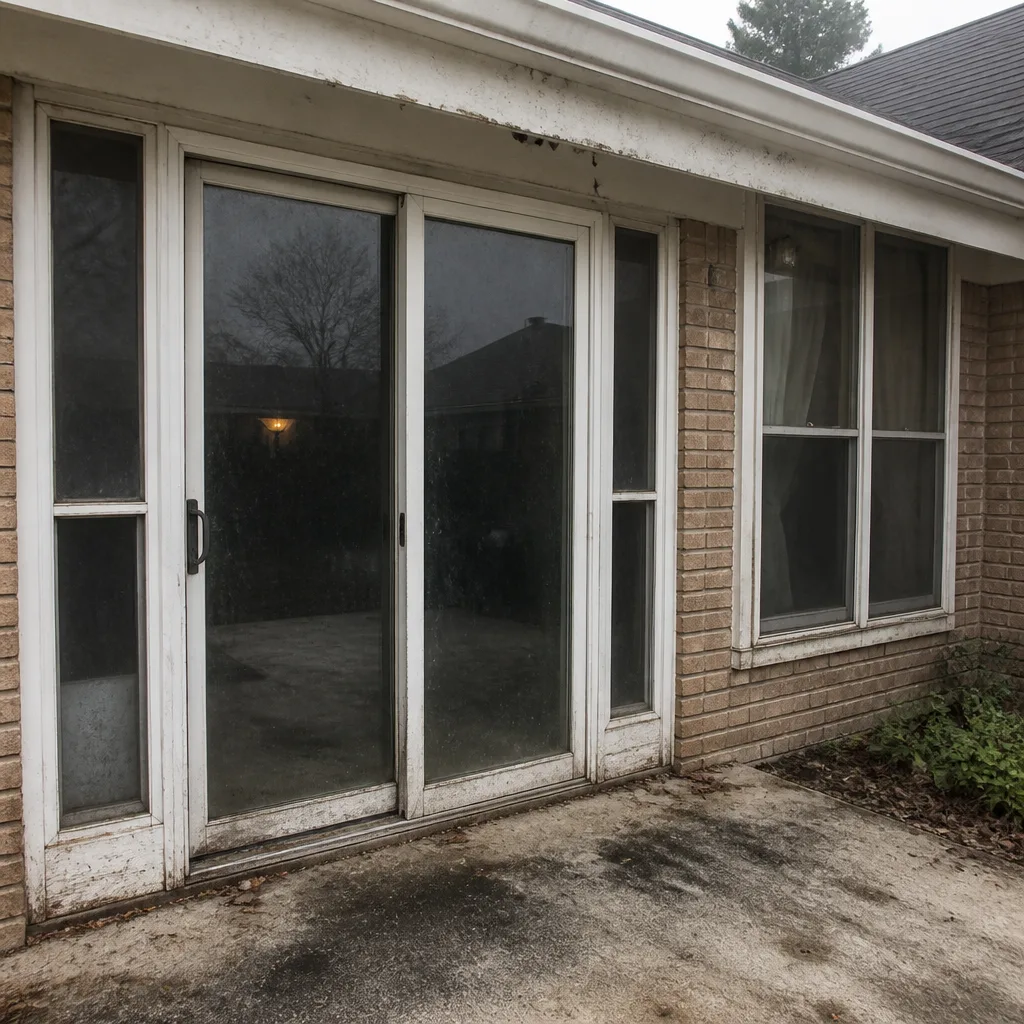 Before
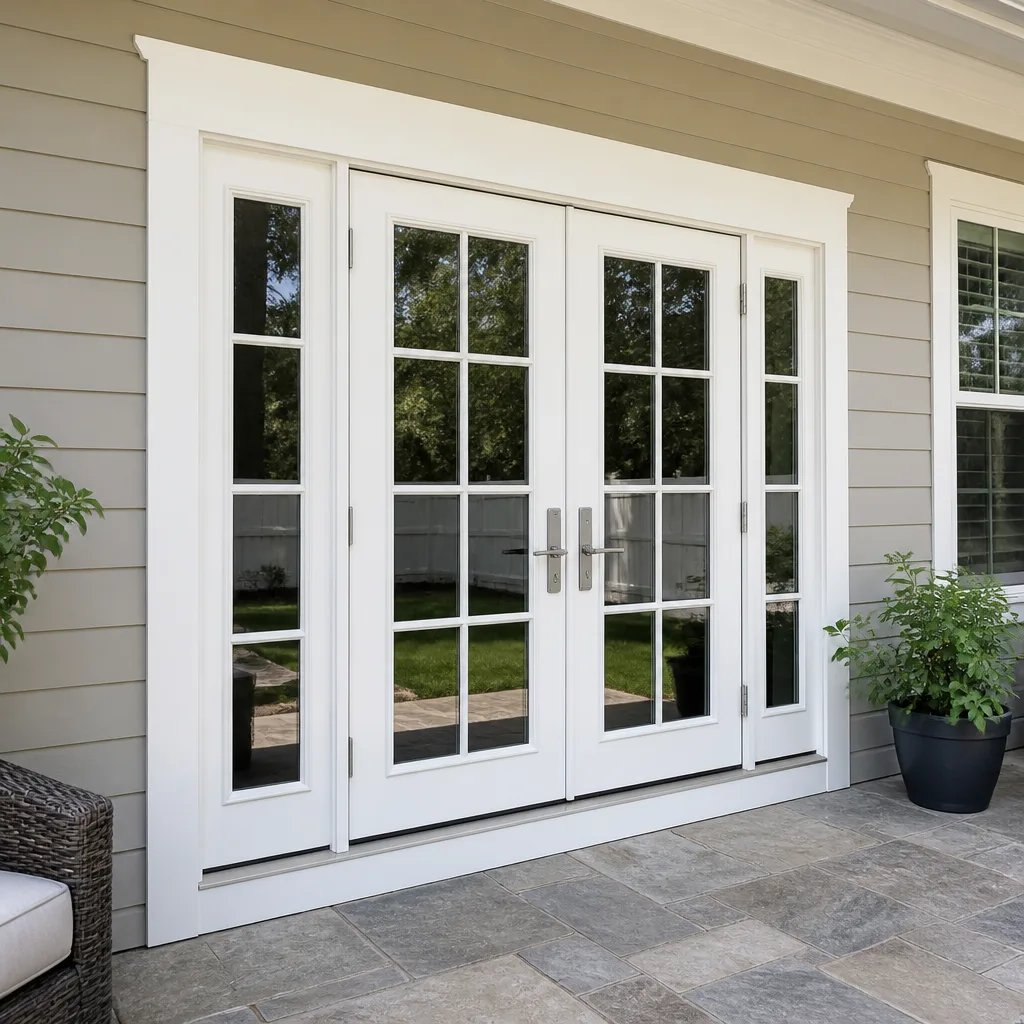 After
After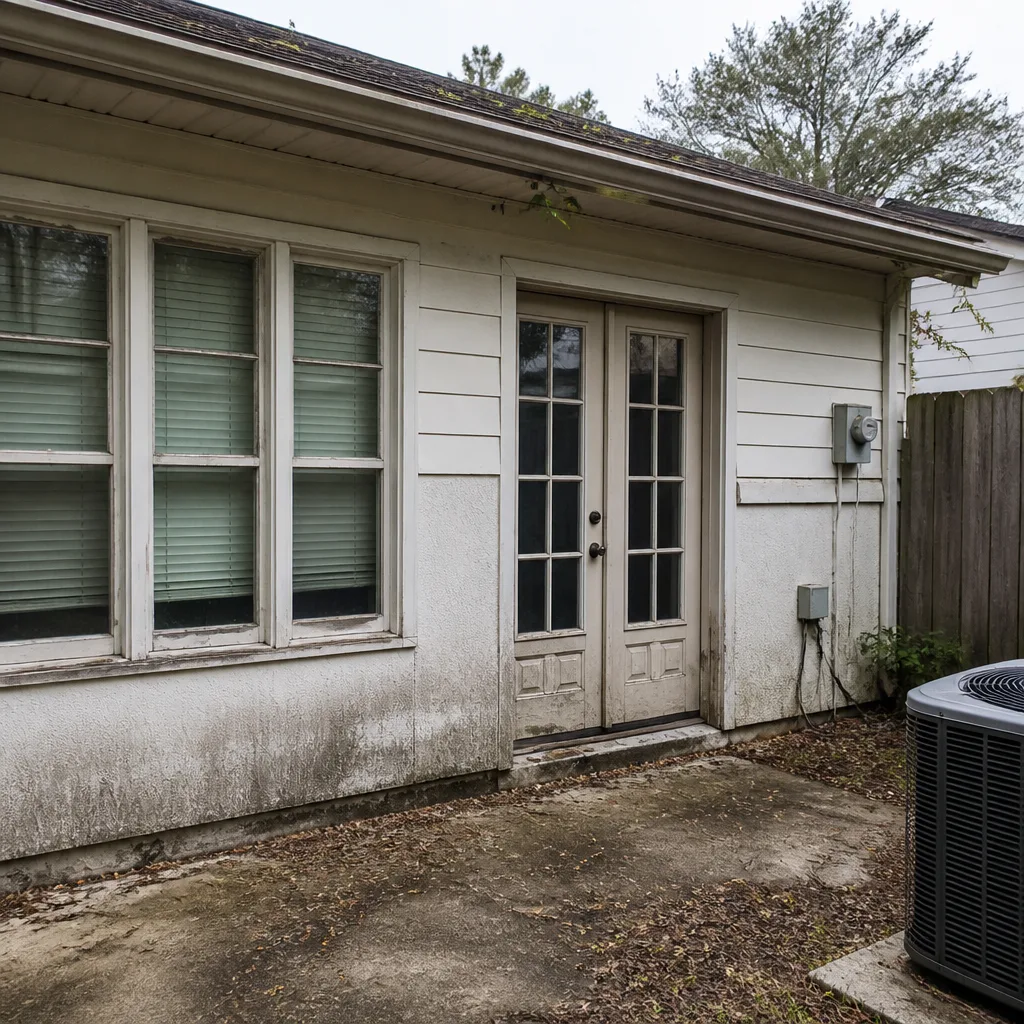 Before
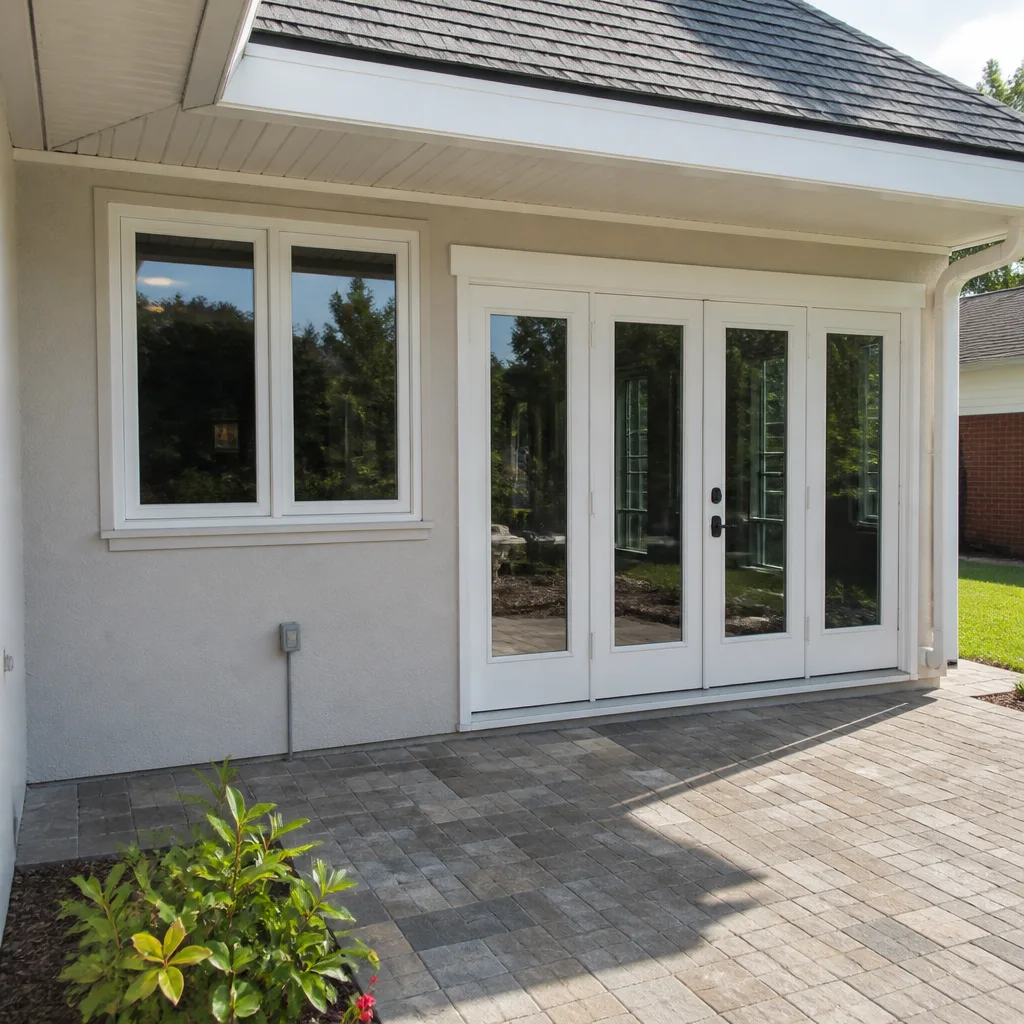 After
After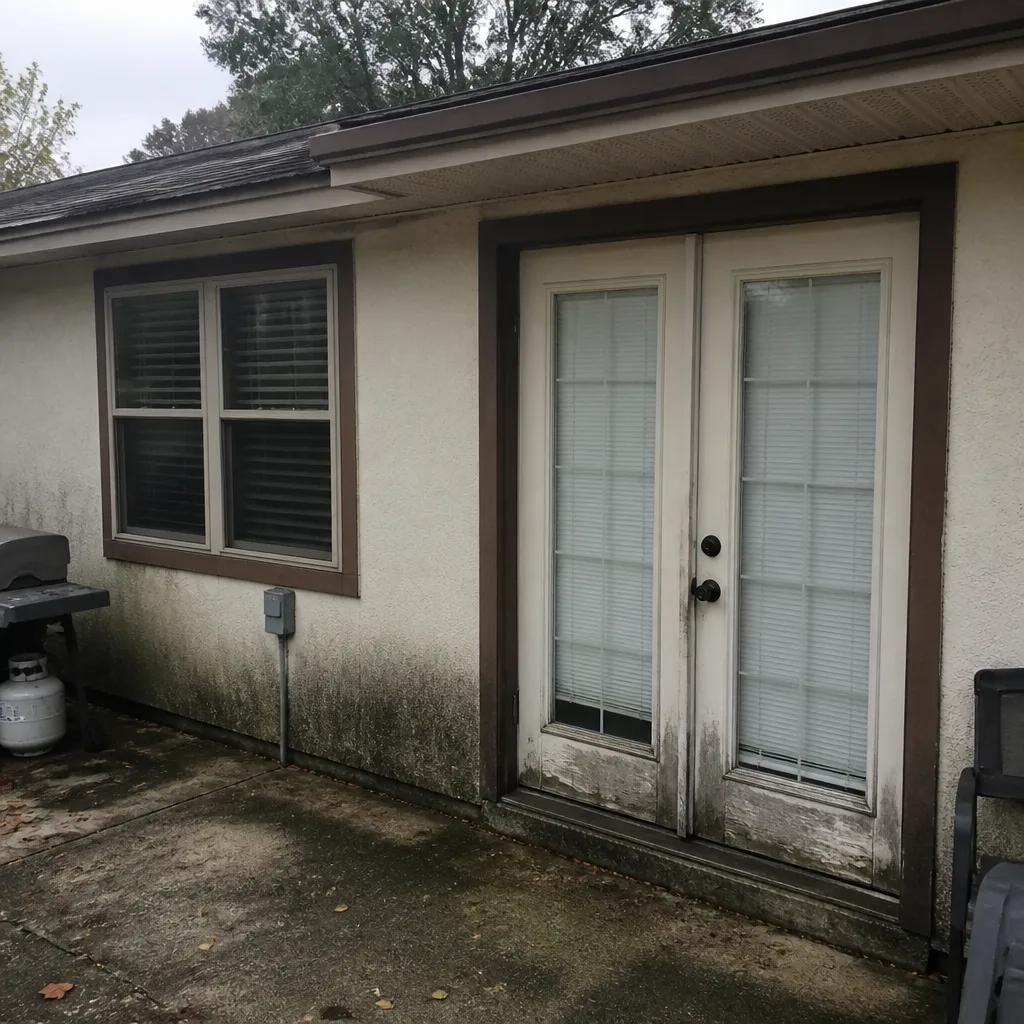 Before
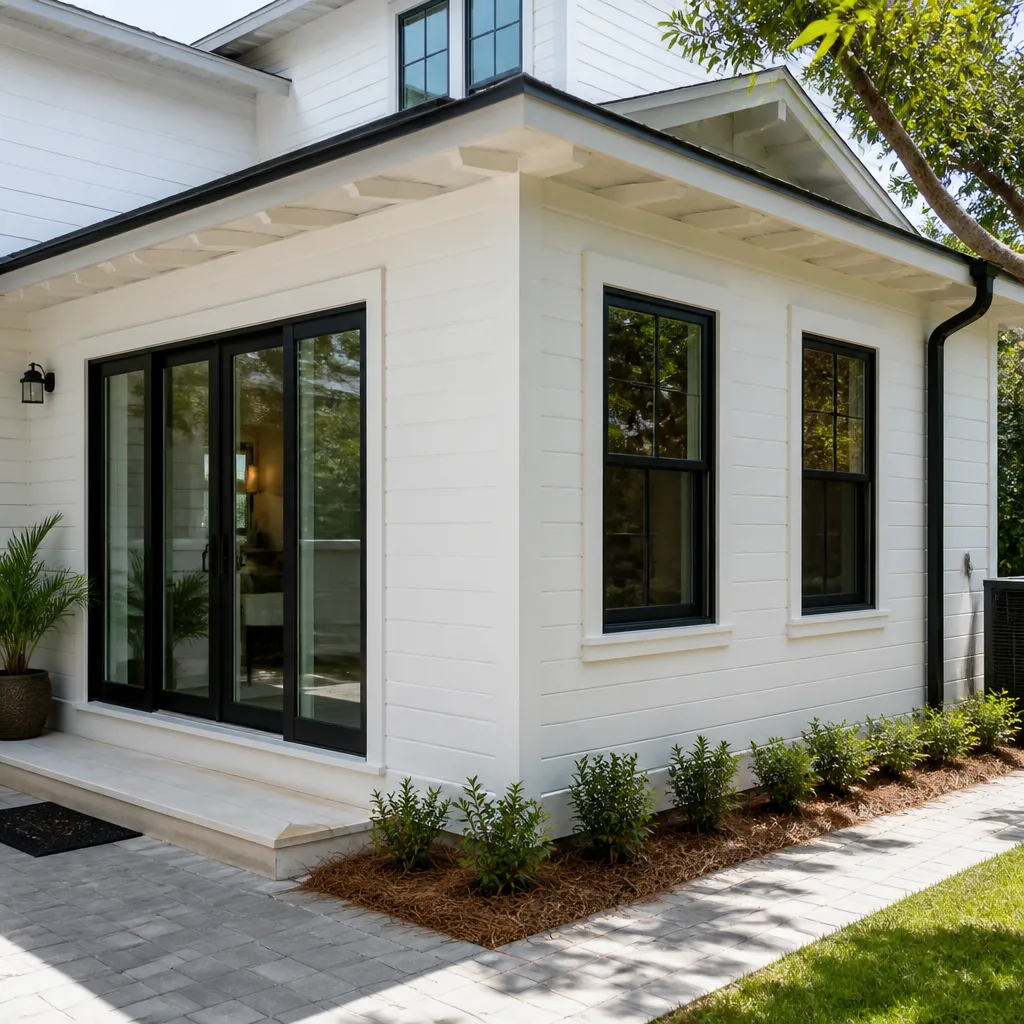 After
AfterSix Reasons Homeowners Choose Lightwell Windows Jacksonville
Impact systems engineered to design pressures up to +/-100, matched to your wind zone - your openings hold when the storm arrives.
Low-E insulated impact glass from our manufacturer lines commonly cuts monthly cooling bills 20-30%.
Laminated impact glass shuts out up to 40% of outside noise - traffic, neighbors, weather.
Monitoring services run $30-90 a month. Laminated impact glass resists forced entry around the clock, with no subscription.
Florida homeowners average around 25% savings on the windstorm portion of their policy after protecting every opening - some homes qualify for more.
A full impact package upgrades curb appeal, buyer confidence and appraised value in one project.